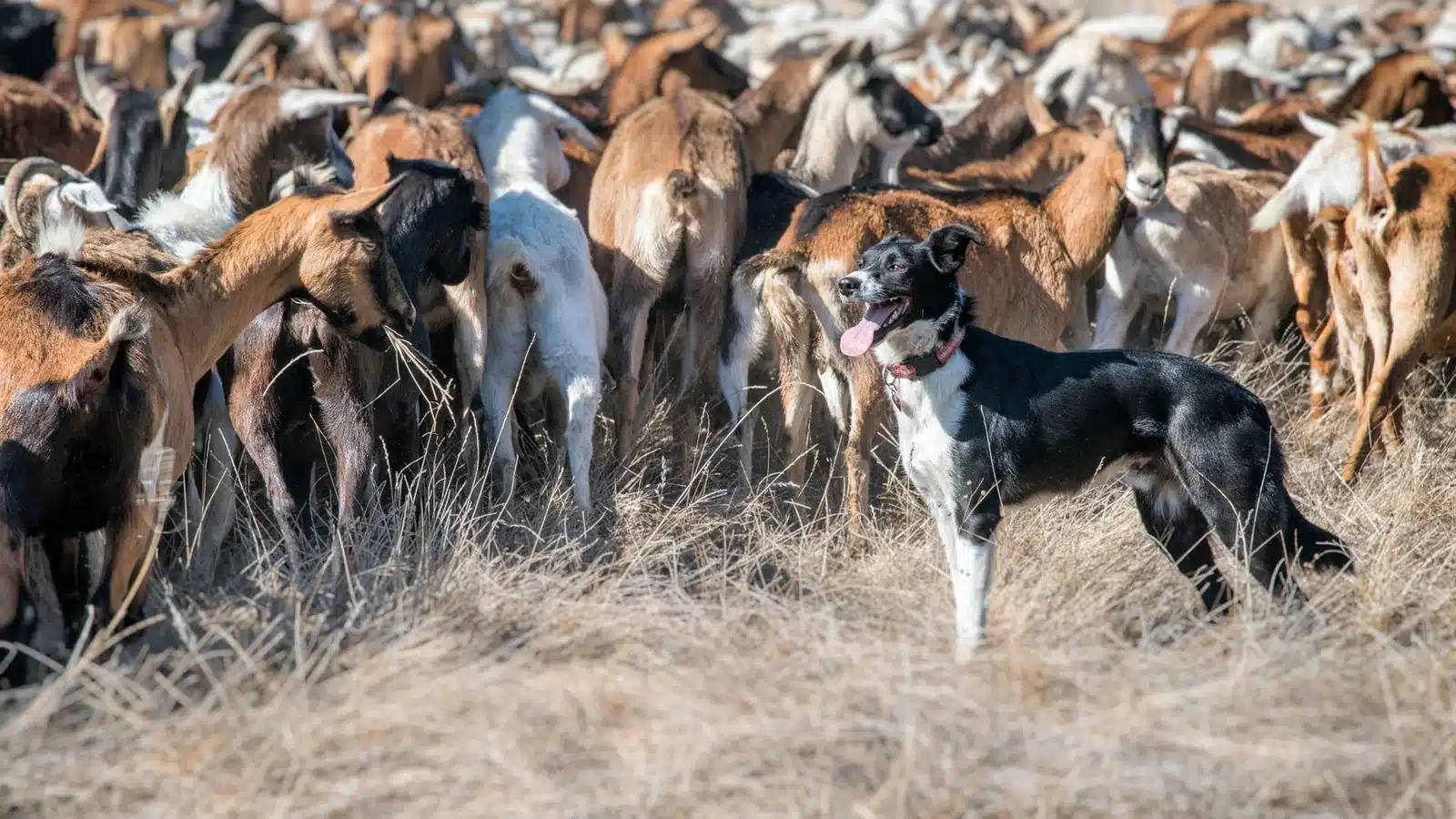

How to Raise Goats for Profit
The decisions that make a goat farm profitable in India — breed choice, low-cost feeding, health, breeding, smart selling and record-keeping.
Turning goats into a profitable business is less about luck and more about a few decisions done well: the right breed, low-cost balanced feeding, tight health management, and selling at the right time. This guide walks through the levers that decide whether a goat farm makes money.
1. Choose the right breed for your goal
Match the breed to your market. For meat, hardy fast-growing breeds like Sirohi, Sojat, Black Bengal or Boer crosses do well; for milk, Jamunapari, Beetal or Saanen crosses. Buy healthy, disease-free breeding stock from a reliable source — see our breed guides.
2. Feed well but cheaply
Feed is your biggest cost, so it is also your biggest lever. Combine grazing or cut green fodder with crop residues and a small amount of concentrate for growing, pregnant and milking animals. Growing your own fodder can dramatically cut cost per animal. See Feeding & Nutrition.
3. Keep animals healthy
Every animal lost to disease erases profit. Follow a full vaccination programme, deworm on veterinary advice, quarantine new stock and keep housing dry and clean. Prevention is far cheaper than treatment.
4. Manage breeding and kidding
Herd growth is where profit compounds. Keep good bucks (or use quality service), flush does before mating, and protect kids at birth for high survival. More live, healthy kids per doe per year is the single biggest driver of returns. See Breeding & Kidding.
5. Sell at the right time and place
- Time sales to festival demand, when meat prices peak.
- Sell by weight where possible rather than by guess.
- Explore direct buyers, farmer groups and nearby mandis to avoid low middleman prices.
- Consider value addition — breeding stock, or goat milk products — for higher margins.
6. Keep simple records
Track income, feed and health costs, births and weights. Records show which animals earn their keep, when to cull, and whether the farm is actually profitable — and they are essential for any loan or subsidy. See Routine Operations.
Illustrative economics
As a rough example only, a small unit of around 20 does plus a buck, run on largely home-grown feed, aims to recover its setup cost over the first couple of years as the herd multiplies, then earn a recurring margin from surplus stock and milk. Your real numbers depend entirely on local feed and market prices — build a budget with your own figures.
Key takeaways
- Match breed to market; buy healthy stock.
- Cut feed cost with home-grown fodder — it is your biggest lever.
- Vaccinate and prevent disease; every lost animal erases profit.
- Maximise live kids per doe per year, and sell at festival peaks.
- Keep records — they drive culling, breeding and loan decisions.