
Farm planning files, ready to print. Vaccination, deworming, shed, feeding and records - in 8 languages.Browse downloads
India’s Most Trusted Goat Farming Knowledge Hub Mon – Sat: 9:00 AM – 6:00 PM
Angora Goat
EXOTIC BREED · FIBRE (MOHAIR)

Angora Goat

Angora Goat
Share: fWX

Quick Facts

📍OriginTurkey (Ankara)
🐐Breed TypeFibre (Mohair)
⚖️Weight40–60 kg
📏Height55–65 cm
🥛Milk Production0.5–1 L/day
📅Life Span10–12 yrs
🌦️ClimateCool / Dry temperate

Breed Overview

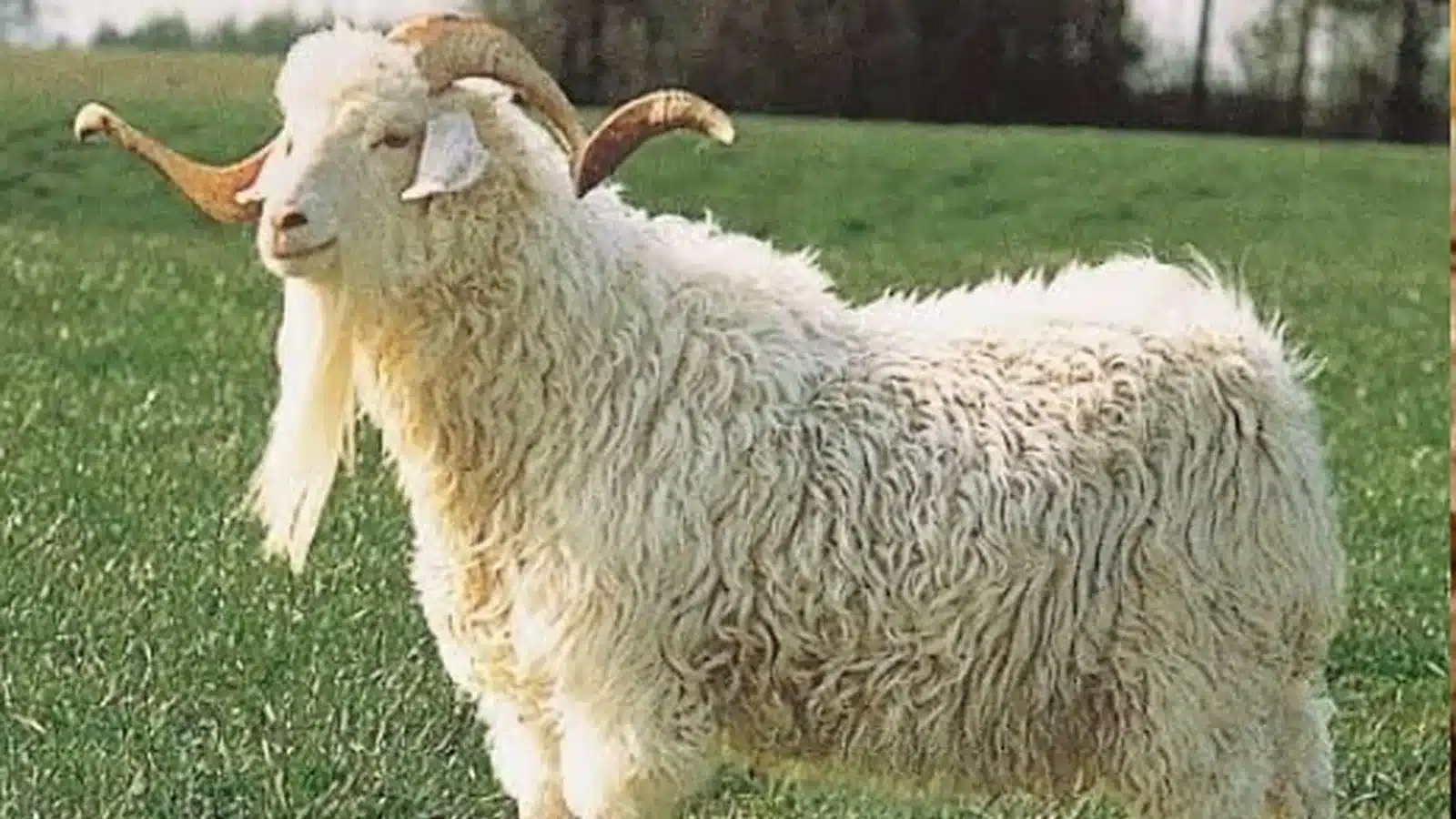
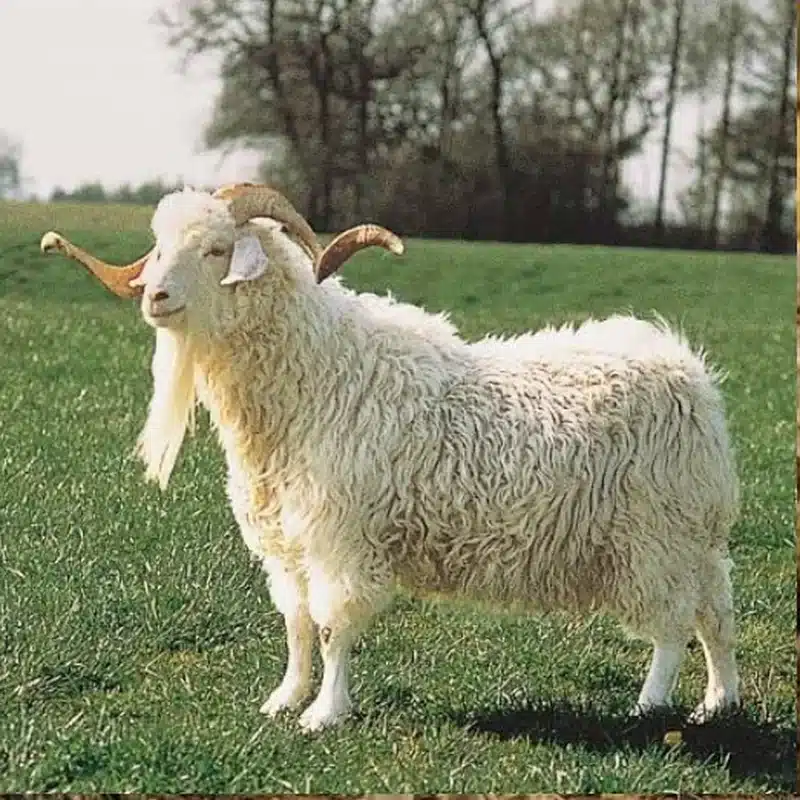
The Angora is the world's mohair goat, originating in the Ankara region of Turkey. Covered head to leg in long, lustrous, silky white ringlets, it is bred almost entirely for its prized fibre — mohair — one of the most valuable natural fibres in the textile industry.

A cool, dry-climate breed, the Angora needs careful management and good nutrition to grow quality fleece. In India it is best suited to cooler, drier regions, and is valued wherever mohair production and fibre farming are pursued.

Key Characteristics
  • Long, lustrous, silky white mohair ringlets over the body
  • Small frame beneath a heavy fleece
  • Both sexes horned; drooping ears
  • Bred for premium mohair fibre, not milk or meat

🐐Physical Characteristics

A small-framed breed almost entirely covered in long, silky, lustrous white ringlets of mohair, including the legs and much of the face. Both sexes carry horns and it has small drooping ears beneath the fleece.

🥛Milk Production

A low 0.5–1 litre/day — just enough to rear kids, as the Angora is a dedicated fibre breed whose entire value lies in its mohair.

🌦️Climate Suitability

A cool, dry temperate-climate breed. It is sensitive to damp, cold rain and to heat, so in India it suits cooler, drier upland regions with dry shelter to protect the fleece.

🌾Feeding Requirements

Needs good, steady nutrition — quality fodder plus concentrate — to grow strong, even mohair. Poor feeding directly weakens and reduces the value of the fibre.

Advantages & Disadvantages

✓ Advantages
Produces premium mohair — a high-value fibre
Two fleece harvests per year possible
Niche, high-margin fibre-farming opportunity
Distinctive and attractive breed
✗ Disadvantages
Negligible milk and meat — fibre only
Sensitive to damp, cold rain and heat
Needs careful management and shelter for fleece quality

Tips for Beginners

1
Buy from certified breeders
Insist on documented lineage and a health card to guarantee purebred, disease-free stock.
2
Build raised, airy housing
A dry, well-ventilated shed with slatted flooring prevents hoof rot and respiratory disease.
3
Vaccinate on schedule
Follow the PPR, ET and FMD schedule from day one — prevention is far cheaper than treatment.
4
Balance the ration
Combine green fodder with a mineral-rich concentrate to sustain healthy growth and milk yield.
5
Start small, scale steadily
Begin with 5–10 does and one quality buck; expand only once you master routine management.

Frequently Asked Questions

Mohair is the long, silky, lustrous fibre grown by the Angora goat — one of the most valuable natural textile fibres. The Angora is bred almost entirely for mohair, typically shorn twice a year.
Yes, but only in cooler, drier regions with good management. The breed is sensitive to damp, heavy rain and heat, and needs dry shelter and quality feed to grow good-quality fleece.
Neither — it is a dedicated fibre breed. Its milk and meat output are minimal; its entire value lies in its premium mohair fleece.

Interested in starting with Angora goats?

Talk to our team for a personalised farm plan, or reach out with any questions about getting started.

Related Breeds

View All Breeds →