
Farm planning files, ready to print. Vaccination, deworming, shed, feeding and records - in 8 languages.Browse downloads
India’s Most Trusted Goat Farming Knowledge Hub Mon – Sat: 9:00 AM – 6:00 PM
LaMancha Goat
EXOTIC BREED · DAIRY

LaMancha Goat

LaMancha Goat
Share: fWX

Quick Facts

📍OriginUnited States
🐐Breed TypeDairy
⚖️Weight55–75 kg
📏Height70–80 cm
🥛Milk Production2.5–3.5 L/day
📅Life Span12–15 yrs
🌦️ClimateAdaptable

Breed Overview

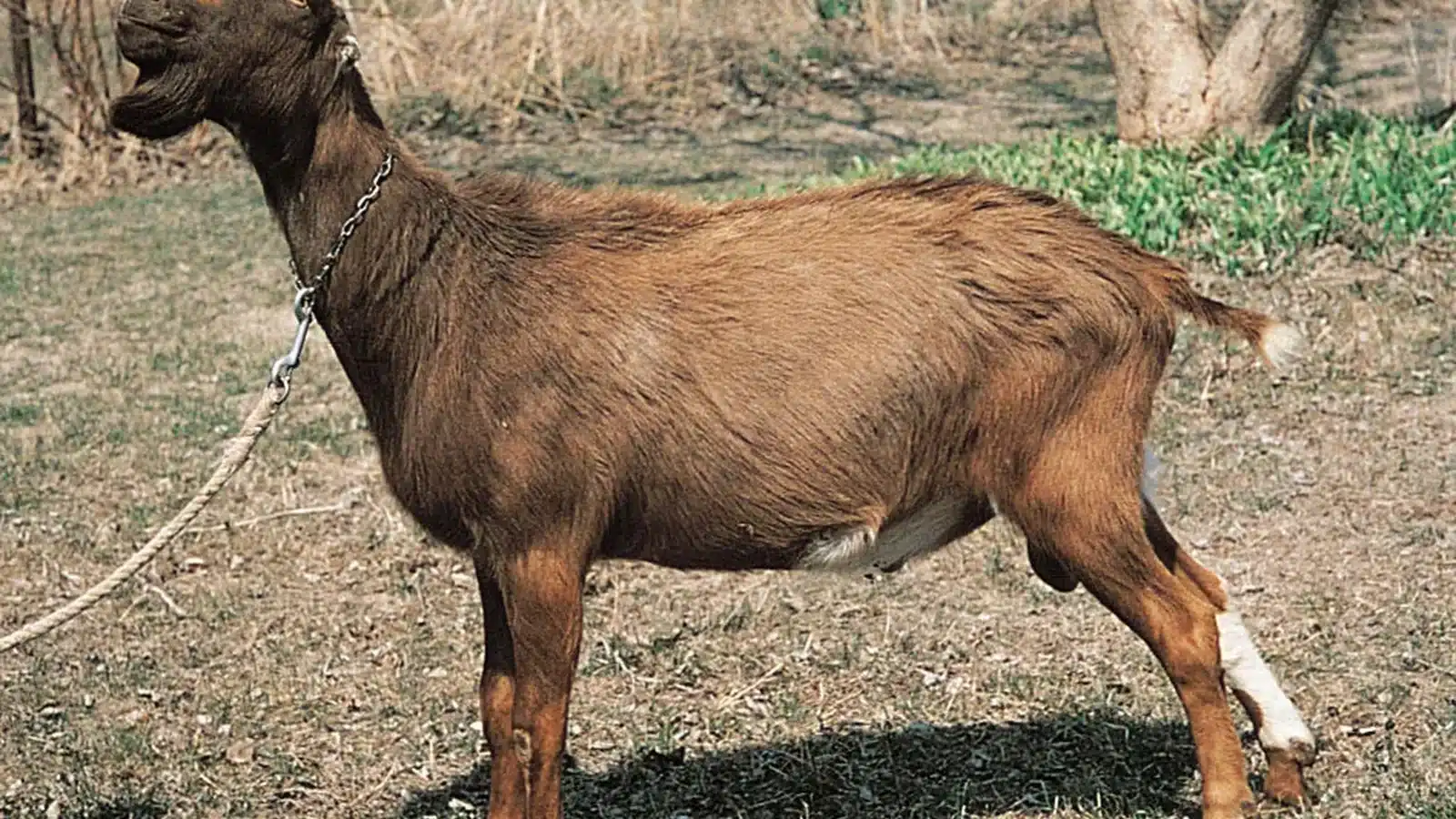
The LaMancha is an American dairy breed instantly recognised by its distinctively tiny ears — a unique trait among goats. Calm, friendly and a dependable milker, it produces good volumes of high-butterfat milk and is one of the most even-tempered dairy breeds.

Hardy and adaptable across a range of climates, the LaMancha is valued for consistent year-round production and its exceptionally docile nature, which makes it easy to handle for small and hobby dairy farms.

Key Characteristics
  • Distinctive very small 'gopher' or 'elf' ears
  • Straight face; wide range of colours
  • Calm, friendly, easy-to-handle temperament
  • Good high-butterfat milk yield

🐐Physical Characteristics

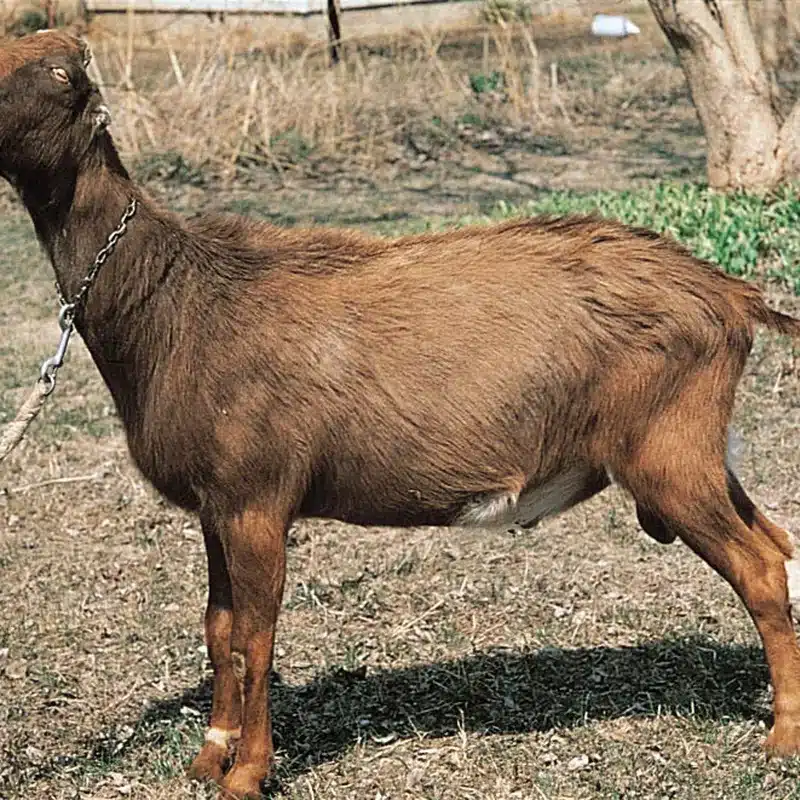
A medium-large dairy breed defined by its uniquely tiny ears — either 'gopher' (almost none) or 'elf' (very short) type. It has a straight face, comes in many colours, and has a well-attached udder built for steady milk.

🥛Milk Production

A reliable 2.5–3.5 litres/day of rich, high-butterfat milk over a long lactation — excellent for household dairy, cheese and other value-added products.

🌦️Climate Suitability

One of the more adaptable dairy breeds, tolerating a range of climates better than some Alpine breeds, though it still benefits from shade and good ventilation in Indian heat.

🌾Feeding Requirements

Needs about 5 kg green fodder plus 500–700 g concentrate per adult daily to sustain milk yield. Responds well to balanced, quality nutrition.

Advantages & Disadvantages

✓ Advantages
Rich, high-butterfat milk
Exceptionally calm and easy to handle
Adaptable across a range of climates
Consistent, year-round production
✗ Disadvantages
Lower milk volume than Saanen/Alpine
Purebred stock very rare in India
Distinctive tiny ears are cosmetic only, not productive

Tips for Beginners

1
Buy from certified breeders
Insist on documented lineage and a health card to guarantee purebred, disease-free stock.
2
Build raised, airy housing
A dry, well-ventilated shed with slatted flooring prevents hoof rot and respiratory disease.
3
Vaccinate on schedule
Follow the PPR, ET and FMD schedule from day one — prevention is far cheaper than treatment.
4
Balance the ration
Combine green fodder with a mineral-rich concentrate to sustain healthy growth and milk yield.
5
Start small, scale steadily
Begin with 5–10 does and one quality buck; expand only once you master routine management.

Frequently Asked Questions

Tiny ears are the breed's defining genetic trait — either the 'gopher' (almost no external ear) or 'elf' (very short ear) type. It is purely a physical characteristic and does not affect the goat's health or productivity.
A LaMancha doe yields about 2.5–3.5 litres a day of rich, high-butterfat milk over a long lactation — a strong dairy performer well above indigenous breeds.
Yes — it is one of the calmest, friendliest and most adaptable dairy breeds, which makes it easy to handle and well-suited to small and hobby dairy farms.

Interested in starting with LaMancha goats?

Talk to our team for a personalised farm plan, or reach out with any questions about getting started.

Related Breeds

View All Breeds →