
Farm planning files, ready to print. Vaccination, deworming, shed, feeding and records - in 8 languages.Browse downloads
India’s Most Trusted Goat Farming Knowledge Hub Mon – Sat: 9:00 AM – 6:00 PM
Nigerian Dwarf Goat
EXOTIC BREED · MINIATURE DAIRY

Nigerian Dwarf Goat

Nigerian Dwarf Goat
Share: fWX

Quick Facts

📍OriginWest Africa / USA
🐐Breed TypeMiniature Dairy
⚖️Weight20–35 kg
📏Height43–57 cm
🥛Milk Production1–2 L/day
📅Life Span12–15 yrs
🌦️ClimateAdaptable

Breed Overview

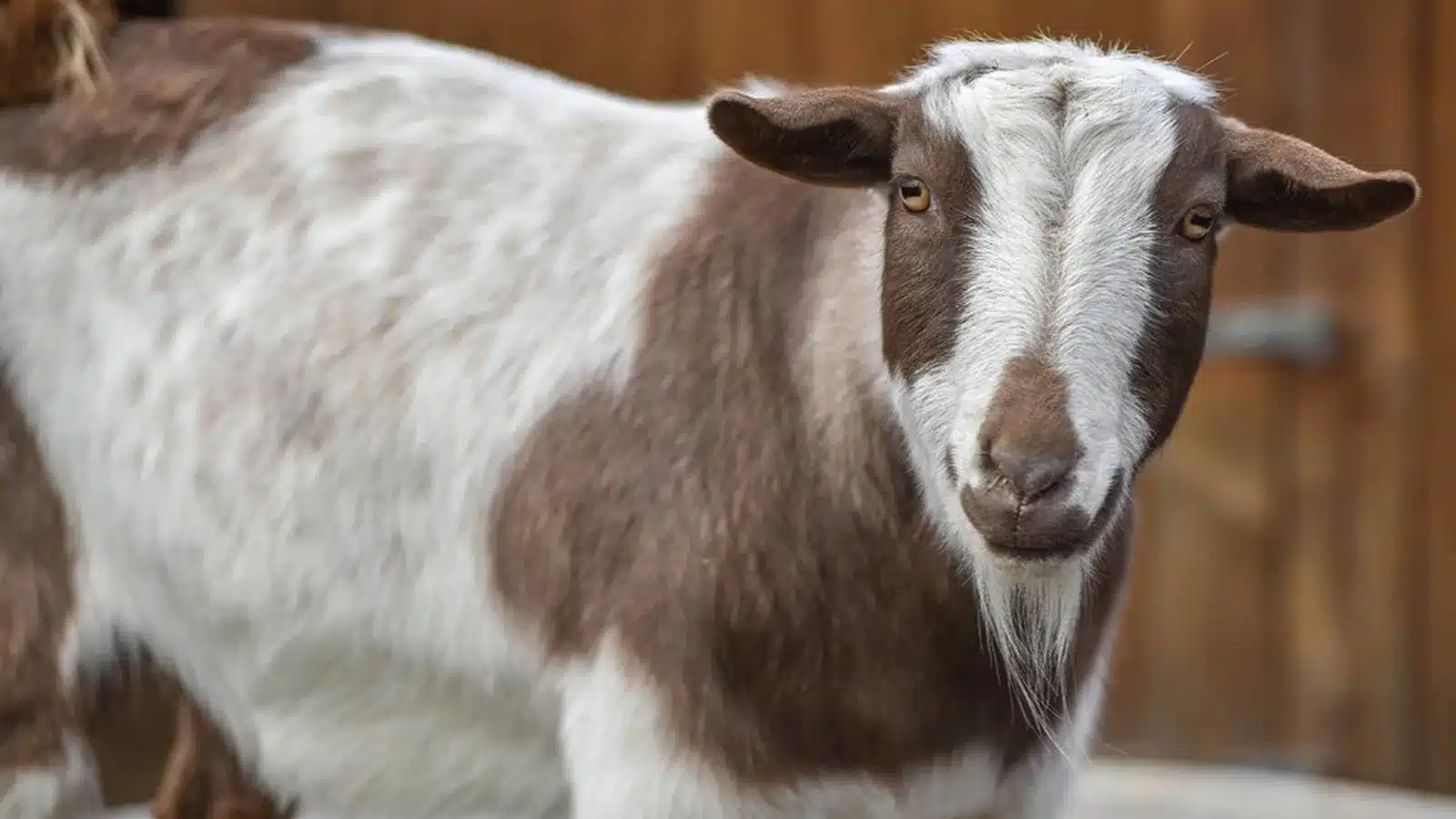
The Nigerian Dwarf is a miniature dairy breed of West African origin, developed and popularised in the United States. Tiny, colourful and friendly, it produces a surprising amount of rich, high-butterfat milk for its small size, making it a favourite for homesteads and hobby farms.

Hardy, adaptable and easy to keep in small spaces, the Nigerian Dwarf is prized as much for its gentle, playful temperament as for its milk — an ideal breed for family dairying, pets and small-scale, space-limited goat keeping.

Key Characteristics
  • Very small, compact miniature frame
  • Wide range of colours and patterns
  • Erect ears and a straight face
  • High-butterfat milk for its size; gentle temperament

🐐Physical Characteristics

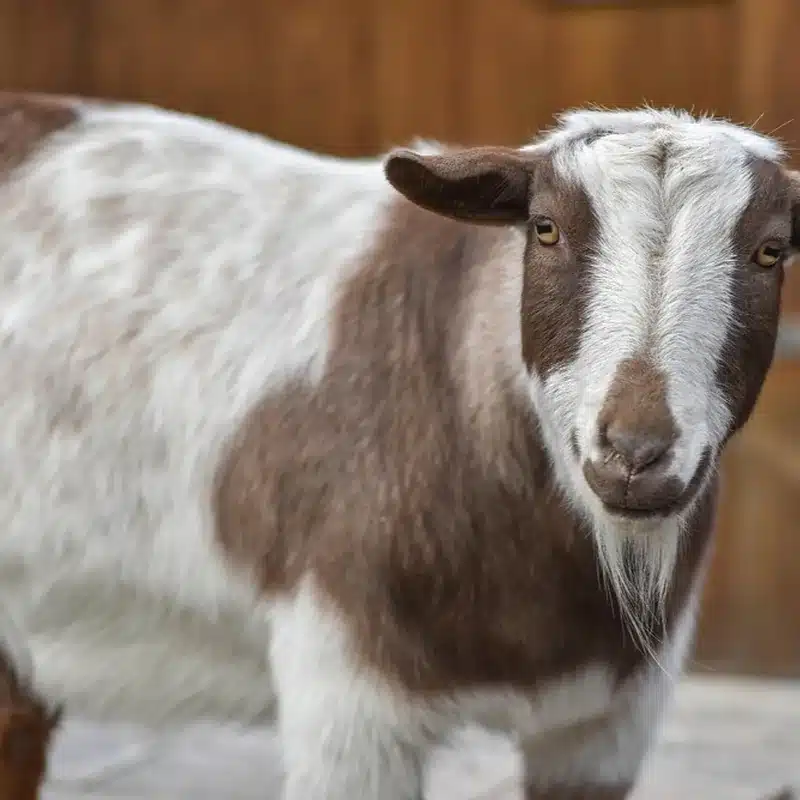
A true miniature — standing only about 43–57 cm tall — with a compact frame, erect ears, a straight face and an extremely wide range of coat colours and patterns. Despite its size it has a well-formed dairy udder.

🥛Milk Production

A remarkable 1–2 litres/day for such a small goat, and notably rich in butterfat — excellent for household dairy, cheese and soap-making relative to the animal's tiny size.

🌦️Climate Suitability

Hardy and adaptable to a wide range of climates, and easy to keep in small spaces — well-suited to homestead and hobby settings with basic shelter.

🌾Feeding Requirements

Very economical for its milk output — modest quantities of quality fodder plus a little concentrate for milking does. Its small size keeps feed costs low.

Advantages & Disadvantages

✓ Advantages
High-butterfat milk for a tiny body size
Small — ideal for limited space and homesteads
Gentle, friendly, playful temperament
Hardy, adaptable and economical to feed
✗ Disadvantages
Small total milk volume per animal
Small carcass — little meat value
Purebred stock rare and costly in India

Tips for Beginners

1
Buy from certified breeders
Insist on documented lineage and a health card to guarantee purebred, disease-free stock.
2
Build raised, airy housing
A dry, well-ventilated shed with slatted flooring prevents hoof rot and respiratory disease.
3
Vaccinate on schedule
Follow the PPR, ET and FMD schedule from day one — prevention is far cheaper than treatment.
4
Balance the ration
Combine green fodder with a mineral-rich concentrate to sustain healthy growth and milk yield.
5
Start small, scale steadily
Begin with 5–10 does and one quality buck; expand only once you master routine management.

Frequently Asked Questions

Despite its tiny size, a Nigerian Dwarf doe yields about 1–2 litres a day of rich, high-butterfat milk — an impressive output relative to the animal's small body.
Yes — they are one of the best breeds for homesteads and hobby farms, being very small, hardy, easy to handle and economical, while still giving useful quantities of rich milk.
Very — they are known for a gentle, playful and affectionate temperament, which makes them popular as both family dairy animals and pets.

Interested in starting with Nigerian goats?

Talk to our team for a personalised farm plan, or reach out with any questions about getting started.

Related Breeds

View All Breeds →