
Farm planning files, ready to print. Vaccination, deworming, shed, feeding and records - in 8 languages.Browse downloads
India’s Most Trusted Goat Farming Knowledge Hub Mon – Sat: 9:00 AM – 6:00 PM
Beetal Goat
INDIAN BREED · DUAL PURPOSE

Beetal Goat

Beetal Goat
Share: fWX

Quick Facts

📍OriginPunjab
🐐Breed TypeDual (Milk + Meat)
⚖️Weight45–65 kg
📏Height85–90 cm
🥛Milk Production2–2.5 L/day
📅Life Span12–15 yrs
🌦️ClimateAdaptable / Plains

Breed Overview

The Beetal is Punjab's premier dual-purpose goat — a large, handsome breed that resembles a slightly smaller, sturdier Jamunapari. Native to the Gurdaspur, Amritsar and Ferozepur belt of Punjab, it is one of North India's most productive breeds for both milk and meat.

Well-suited to stall-feeding and semi-intensive systems, the Beetal combines good milk yield, fast growth and a strong twinning rate, making it a commercially attractive breed for organised goat farms across the plains.

Key Characteristics
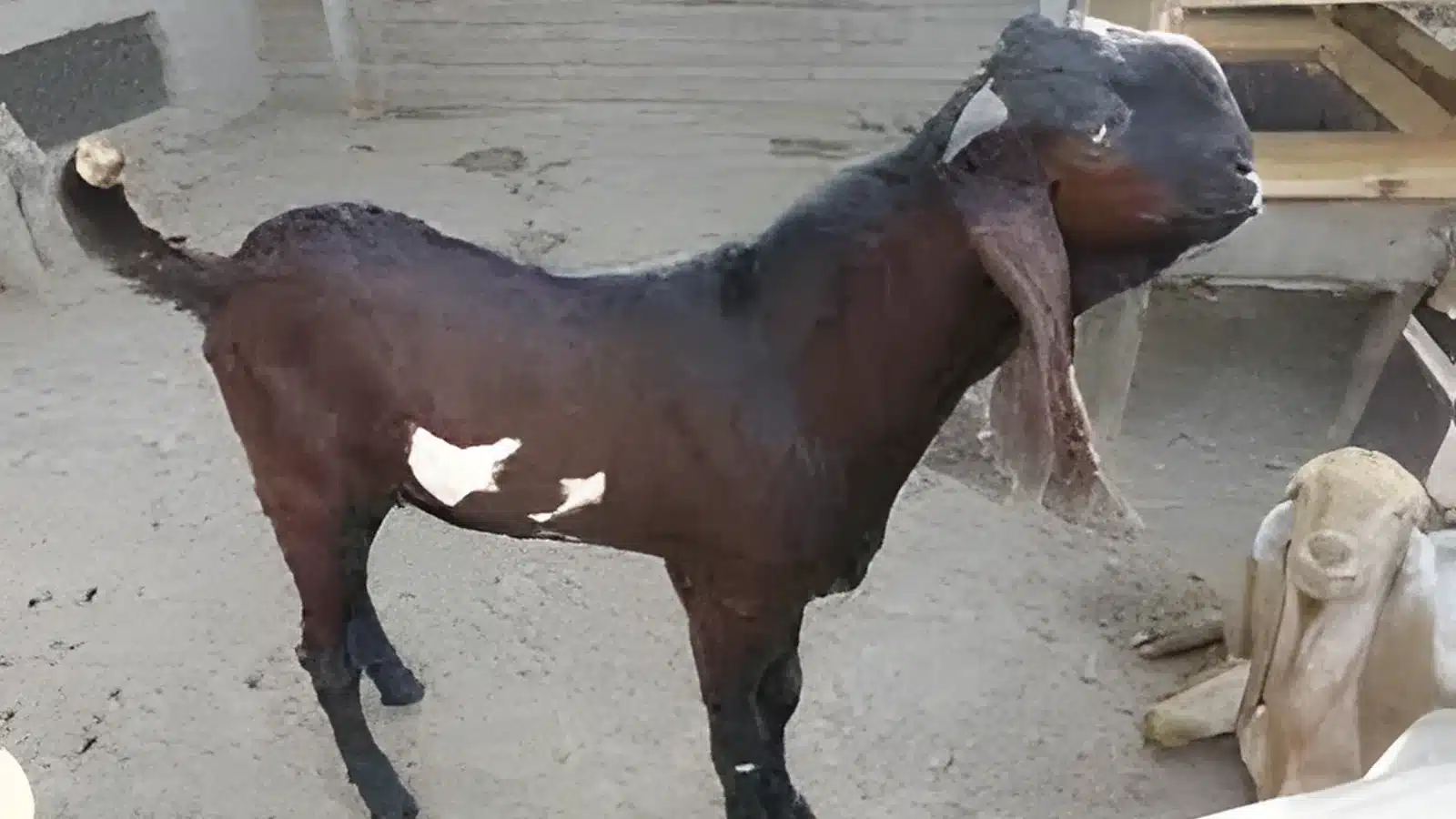
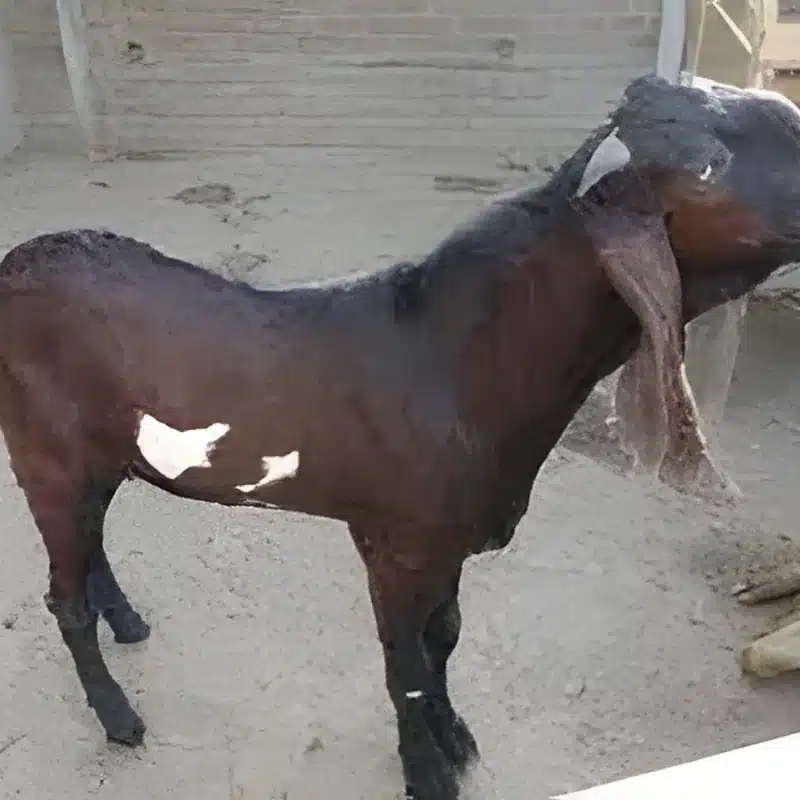
  • Predominantly black coat (also brown/red), often with white spots
  • Long, flat, curled drooping ears
  • Convex Roman nose and a large, deep body
  • Excellent skin quality, prized for leather

🐐Physical Characteristics

A large, well-built breed usually black in colour — though brown and red animals occur — frequently marked with white spots. Distinguished by a Roman nose, long curled drooping ears and a deep, muscular body. Its fine skin is valued by the leather industry.

🥛Milk Production

A strong dual-purpose yield of 2–2.5 litres/day, giving around 150–190 kg over a lactation of about 180–200 days. Reliable enough for commercial dairy while the breed still finishes well for meat.

🌦️Climate Suitability

Highly adaptable and particularly well-suited to stall-fed and semi-intensive systems on the northern plains. Tolerates the Punjab climate well and manages heat and moderate cold with basic shelter.

🌾Feeding Requirements

Does very well on stall feeding — around 4–5 kg green fodder with 400–500 g concentrate per adult daily. Efficient at converting good rations into both milk and body weight.

Advantages & Disadvantages

✓ Advantages
Excellent dual-purpose milk and meat performance
Adapts very well to stall-fed, semi-intensive farms
Good twinning rate for steady herd growth
Fine skin adds valuable leather income
✗ Disadvantages
Needs good nutrition to sustain milk yield
Purebred stock can be harder to source
Large frame needs adequate housing space

Tips for Beginners

1
Buy from certified breeders
Insist on documented lineage and a health card to guarantee purebred, disease-free stock.
2
Build raised, airy housing
A dry, well-ventilated shed with slatted flooring prevents hoof rot and respiratory disease.
3
Vaccinate on schedule
Follow the PPR, ET and FMD schedule from day one — prevention is far cheaper than treatment.
4
Balance the ration
Combine green fodder with a mineral-rich concentrate to sustain healthy growth and milk yield.
5
Start small, scale steadily
Begin with 5–10 does and one quality buck; expand only once you master routine management.

Frequently Asked Questions

The Beetal is a true dual-purpose breed. It gives a good 2–2.5 litres of milk a day and also grows to a large size with well-finished meat, which is why it is so popular on commercial farms in Punjab and across the plains.
The Beetal looks like a smaller, sturdier Jamunapari and is usually black rather than white. It is more of a balanced dual-purpose breed, adapts better to stall-feeding and twins more readily, while the Jamunapari is a taller, milk-focused breed.
Yes — it is one of the best Indian breeds for stall-fed and semi-intensive systems. It converts cut-and-carry fodder and concentrate efficiently into both milk and body weight.

Interested in starting with Beetal goats?

Talk to our team for a personalised farm plan, or reach out with any questions about getting started.

Related Breeds

View All Breeds →