
Farm planning files, ready to print. Vaccination, deworming, shed, feeding and records - in 8 languages.Browse downloads
India’s Most Trusted Goat Farming Knowledge Hub Mon – Sat: 9:00 AM – 6:00 PM
Changthangi Goat
INDIAN BREED · PASHMINA

Changthangi Goat

Changthangi Goat
Share: fWX

Quick Facts

📍OriginLadakh (Changthang)
🐐Breed TypePashmina (Cashmere)
⚖️Weight20–35 kg
📏Height50–65 cm
🥛Milk Production0.4–0.9 L/day
📅Life Span10–12 yrs
🌦️ClimateExtreme cold high-altitude

Breed Overview

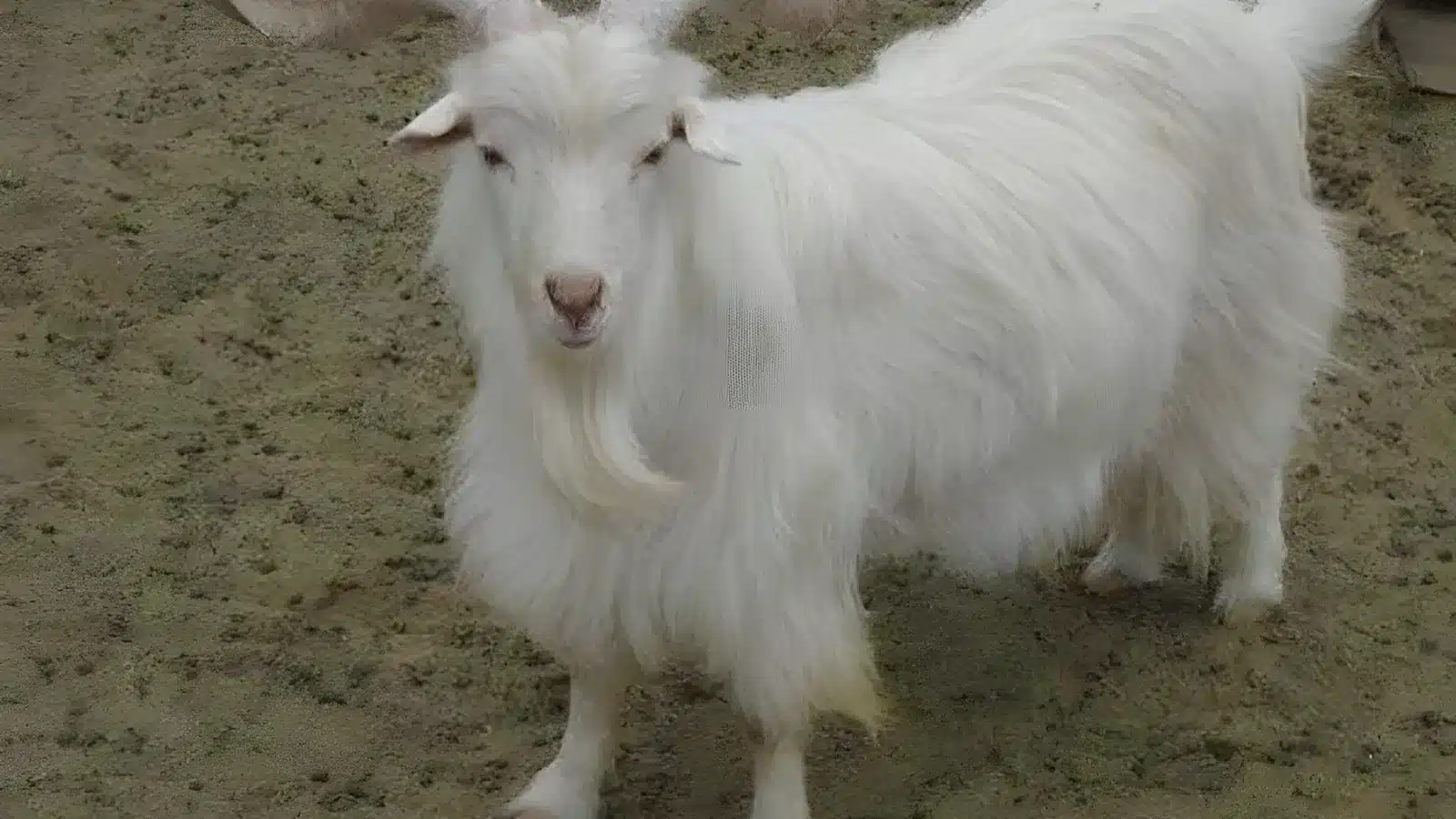
The Changthangi is the legendary pashmina goat of Ladakh's Changthang plateau, the source of the world's finest cashmere used in genuine Pashmina shawls. Reared by the nomadic Changpa herders at altitudes above 4,000 metres, it grows an extraordinarily fine, soft undercoat to survive temperatures that plunge far below freezing.

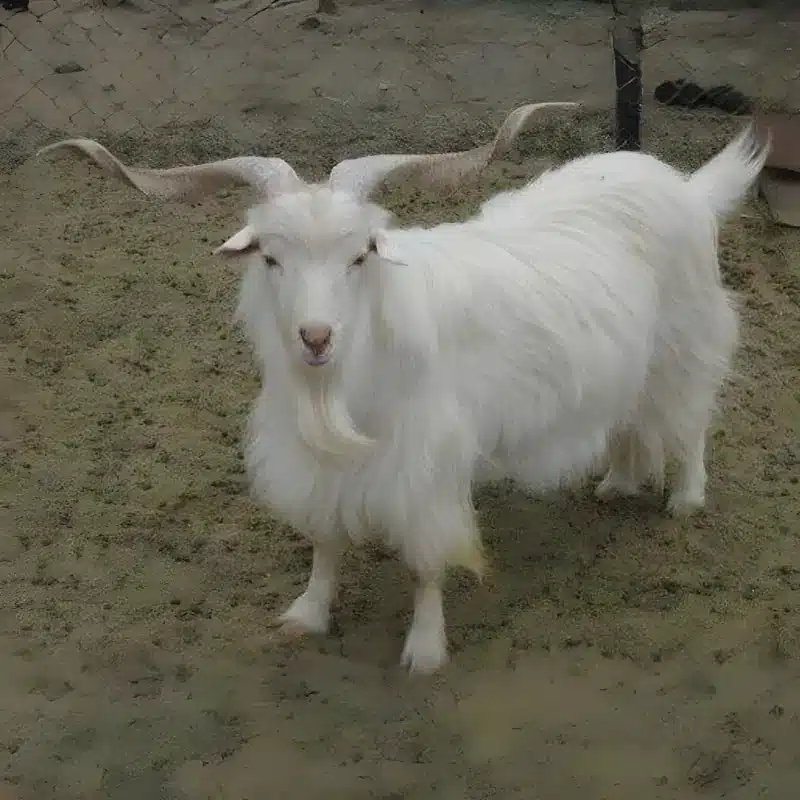
White (also black, grey or brown) with striking spiral horns, the Changthangi is a small, extremely hardy breed whose entire value lies in its precious fibre — a fibre whose fineness is a direct product of the brutal high-altitude cold it endures.

Key Characteristics
  • Fine, dense pashmina undercoat — the world's finest cashmere
  • Usually white (also black, grey, brown)
  • Large, backward-sweeping spiral horns
  • Small, extremely cold-hardy high-altitude frame

🐐Physical Characteristics

A small, hardy breed, most often white though black, grey and brown occur, with large backward-sweeping spiral horns. Beneath a coarse guard coat it grows an exceptionally fine, dense pashmina undercoat.

🥛Milk Production

A very low 0.4–0.9 litre/day — just enough to rear kids in the harsh highlands. The breed's value lies almost entirely in its cashmere fibre.

🌦Climate Suitability

Adapted to the extreme cold of the Changthang plateau above 4,000 m, where winter temperatures fall below −20°C. This brutal cold is precisely what makes its pashmina the finest in the world.

🌾Feeding Requirements

Grazes the sparse alpine desert of Ladakh with the nomadic Changpa, browsing hardy high-altitude vegetation and needing almost no supplementation.

Advantages & Disadvantages

✓ Advantages
Produces the world's finest pashmina cashmere
Extremely hardy in extreme high-altitude cold
High-value fibre supports Ladakh's economy
Very economical on sparse natural grazing
✗ Disadvantages
Almost no milk — a pure fibre breed
Very small carcass; slow growth
Survives only in cold, high-altitude deserts

Tips for Beginners

1
Buy from certified breeders
Insist on documented lineage and a health card to guarantee purebred, disease-free stock.
2
Build raised, airy housing
A dry, well-ventilated shed with slatted flooring prevents hoof rot and respiratory disease.
3
Vaccinate on schedule
Follow the PPR, ET and FMD schedule from day one — prevention is far cheaper than treatment.
4
Balance the ration
Combine green fodder with a mineral-rich concentrate to sustain healthy growth and milk yield.
5
Start small, scale steadily
Begin with 5–10 does and one quality buck; expand only once you master routine management.

Frequently Asked Questions

Its undercoat is the finest cashmere in the world, at just 12–15 microns. The extreme cold of the Changthang plateau — above 4,000 m and below −20°C in winter — is what drives the goat to grow such an exceptionally fine, dense fibre.
On the Changthang plateau of Ladakh, at altitudes above 4,000 metres, by the nomadic Changpa herders who migrate it across the high-altitude cold desert.
No — it depends on extreme high-altitude cold to produce its fine pashmina. In warm lowland climates the fibre coarsens and the breed loses its entire value, so it is confined to cold Himalayan highlands.

Interested in starting with Changthangi goats?

Talk to our team for a personalised farm plan, or reach out with any questions about getting started.

Related Breeds

View All Breeds →