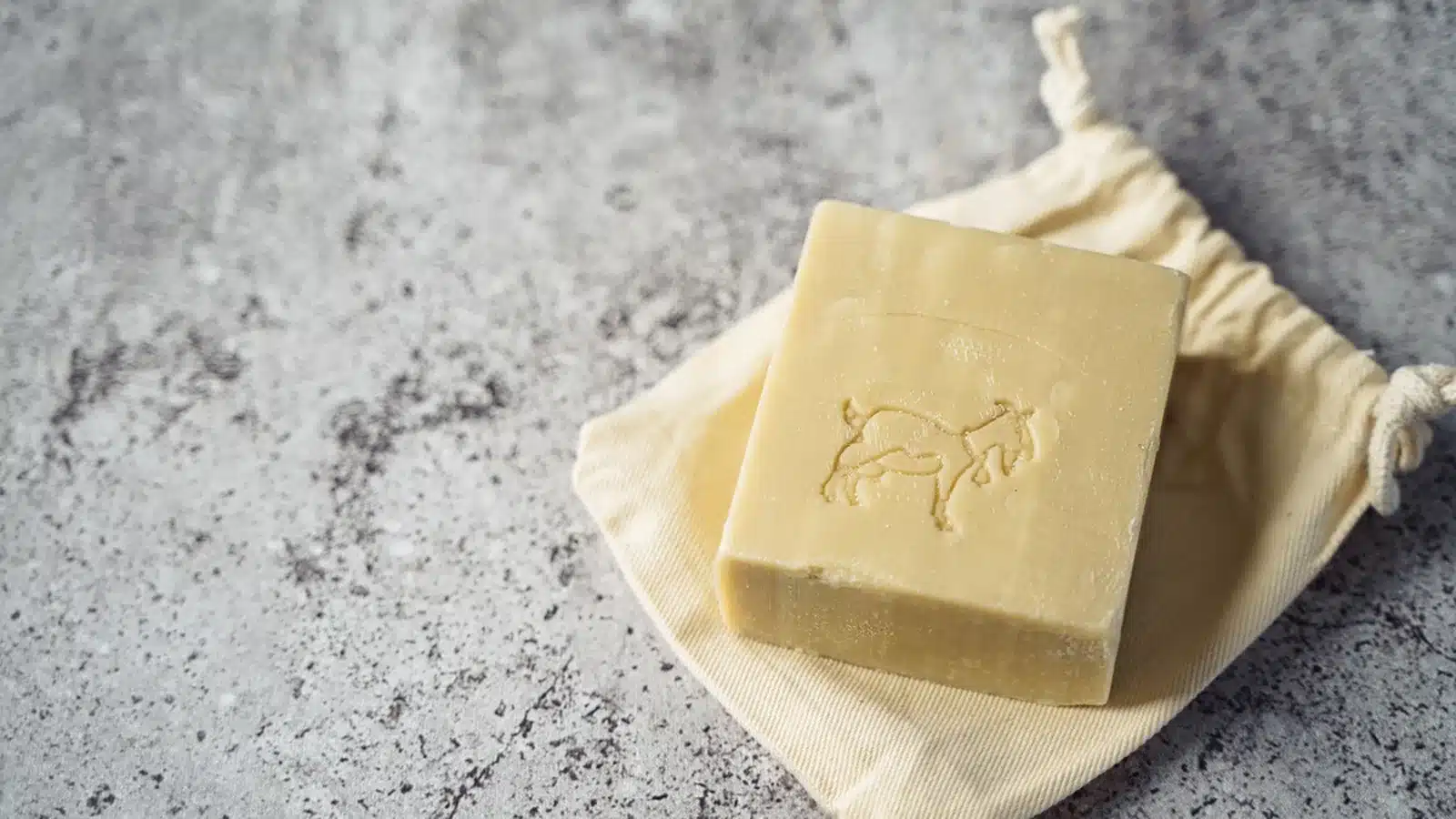

Goat Milk Soap
How to make goat milk soap safely — cold-process basics, ingredients, curing and selling — plus a beginner-friendly melt-and-pour route.
Goat milk soap is a premium, natural product that is simple to start and easy to sell. Its creamy lather and skin-friendly reputation command good margins at markets and online. This guide covers the cold-process basics and, above all, how to make it safely.
Why goat milk soap sells
- Rich, creamy lather and a gentle, moisturising feel.
- Seen as natural and skin-friendly — a strong selling point.
- High margin from low-cost inputs; long shelf life once cured.
What you need
- Fats/oils (e.g. coconut, palm, olive) — the soap base.
- Lye (sodium hydroxide, NaOH) — measured precisely to a recipe.
- Fresh goat milk, usually frozen to slush so it stays cool when the lye is added.
- Optional natural fragrance/essential oils and moulds.
- Safety gear: goggles, gloves, apron; an accurate scale and thermometer.
Cold-process method (overview)
- Freeze the goat milk to a slush to keep it from scorching.
- Carefully add lye to the cold milk in small amounts, stirring — it will warm up.
- Melt and combine the oils; bring both to a similar, moderate temperature.
- Blend the lye-milk into the oils until "trace" (it thickens slightly).
- Add fragrance, pour into moulds, cover and insulate.
- Unmould after a day or two, cut into bars.
Curing & storage
Cure the bars on a rack in a cool, dry, airy place for about 4–6 weeks. Curing lets excess water evaporate and the soap finish saponifying, giving a harder, longer-lasting, milder bar. Store finished bars somewhere dry.
Selling your soap
Sell at markets, gift shops, salons and online. Good packaging, a clear ingredient list and consistent quality build a brand. For any cosmetic sold commercially, check current labelling and regulatory requirements. Pair with goat cheese to build a value-added product range.
Key takeaways
- Goat milk soap is a high-margin, easy-to-sell natural product.
- Lye is caustic — use goggles, gloves and ventilation, or use a melt-and-pour base.
- Freeze the milk, blend to trace, mould, then cure 4–6 weeks.
- Good packaging and consistent quality build a sellable brand.