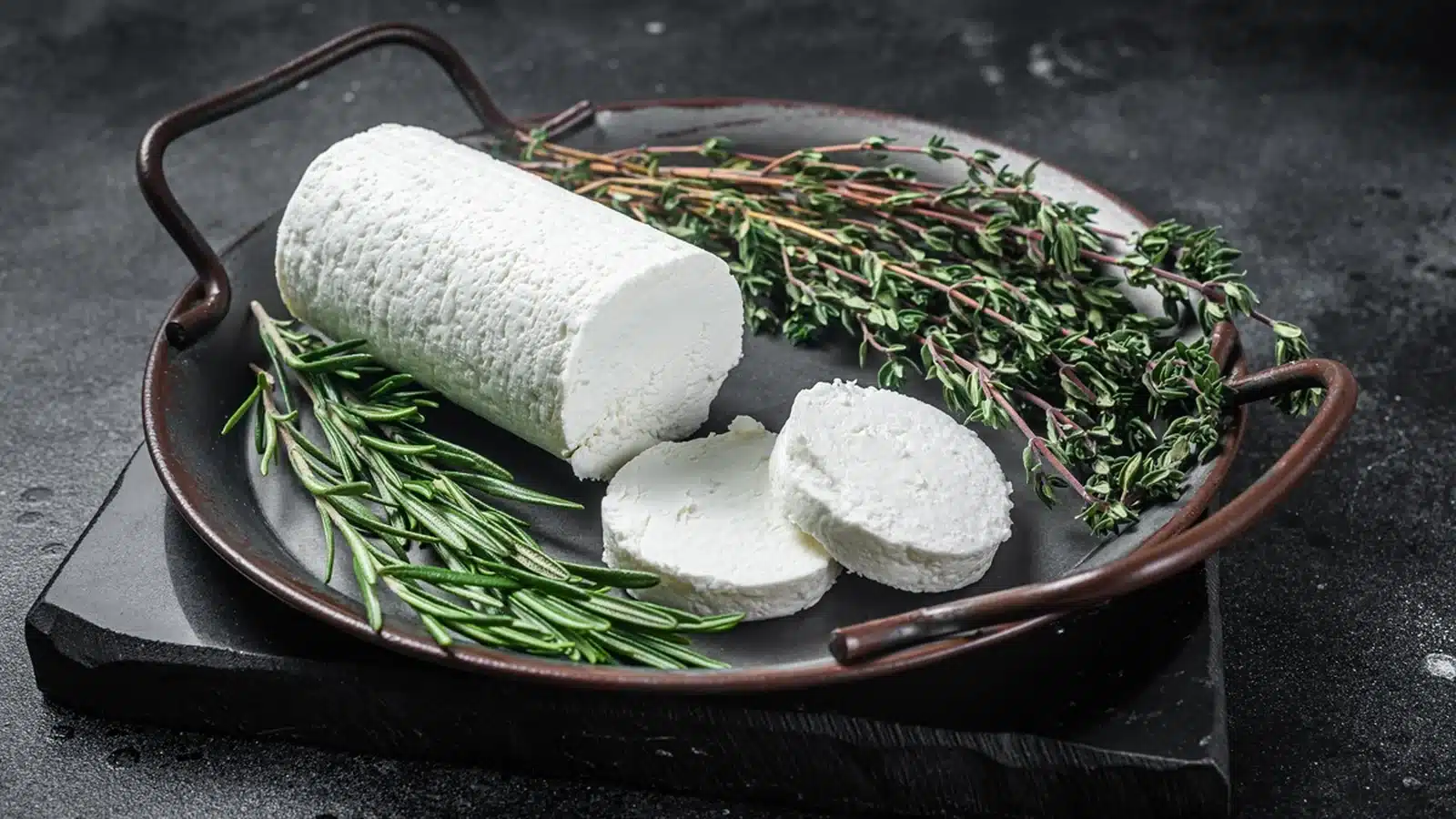

Goat Cheese Guide
How to make and sell goat cheese in India — types, the basic cheese-making process, yield, food-safety (FSSAI) and market opportunities.
Goat cheese (chevre) turns everyday goat milk into a premium product that sells for many times the price of raw milk. From soft fresh cheese to aged wheels, it is one of the most profitable ways to add value on a dairy-goat farm. This guide covers the basics of making it and selling it in India.
Why make goat cheese
- High value: a few litres of milk become a premium, longer-lasting product.
- Growing demand from restaurants, health-conscious buyers and specialty stores.
- Naturally easier to digest than cow-milk cheese for many people.
- Reduces waste — surplus milk becomes a storable, sellable product.
Types of goat cheese
| Type | Character |
|---|---|
| Fresh chevre | Soft, spreadable, tangy; ready in a day or two |
| Soft-ripened | Creamy with a bloomy rind; short aging |
| Feta-style (brined) | Firm, salty; stored in brine |
| Aged / hard | Firm, stronger flavour; weeks to months of aging |
The basic process
- Heat & pasteurise fresh, clean goat milk gently.
- Coagulate with a culture and/or an acid (or rennet for firmer cheese) until curds form.
- Cut & drain the curds from the whey through a cloth.
- Salt & shape to taste; press for firmer types.
- Age (optional) in cool, controlled conditions for ripened and hard cheeses.
Quality, hygiene & food safety
Cheese is a food product, so cleanliness is everything: use fresh milk from healthy does, sanitise all equipment, and control temperature carefully. If you plan to sell, you will need to follow food-safety rules and obtain an FSSAI registration/licence, and label your product correctly.
Market opportunities
Sell direct to restaurants, cafes and health stores; at farmers’ markets; or online with proper packaging and cold chain. Consistent quality and good branding earn repeat buyers and premium prices. See also Goat Milk Soap for another high-margin value-added product.
Key takeaways
- Cheese multiplies the value of goat milk and has rising demand.
- The core steps: heat, coagulate, drain, salt, shape, (age).
- Hygiene and fresh milk from healthy does decide quality.
- To sell, get FSSAI registration and follow food-safety rules.