
Farm planning files, ready to print. Vaccination, deworming, shed, feeding and records - in 8 languages.Browse downloads
India’s Most Trusted Goat Farming Knowledge Hub Mon – Sat: 9:00 AM – 6:00 PM
Anglo-Nubian Goat
EXOTIC BREED · DUAL PURPOSE

Anglo-Nubian Goat

Anglo-Nubian Goat
Share: fWX

Quick Facts

📍OriginEngland
🐐Breed TypeDual (Milk + Meat)
⚖️Weight55–90 kg
📏Height75–90 cm
🥛Milk Production2–3 L/day
📅Life Span12–15 yrs
🌦️ClimateWarm-tolerant

Breed Overview

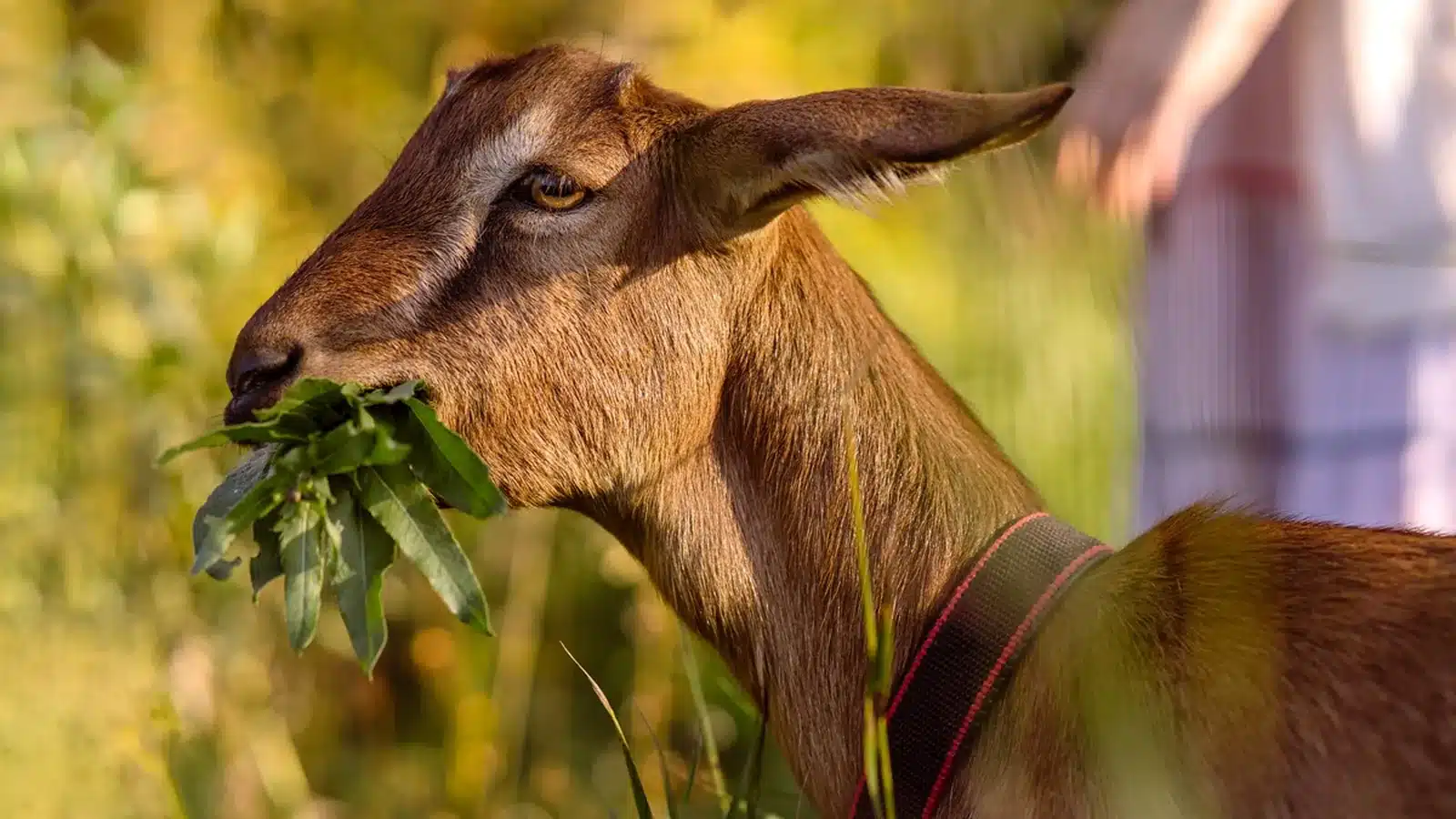
The Anglo-Nubian is a large, elegant dual-purpose breed developed in England by crossing native goats with Indian (including Jamunapari) and African bloodlines. Famous for its long pendulous ears and convex Roman nose, it gives rich, high-butterfat milk alongside good meat, and — unusually for an exotic — tolerates heat well.

Because its ancestry traces partly to the Indian Jamunapari, the Anglo-Nubian is more heat-adapted than the Swiss dairy breeds, making it one of the better exotic choices for Indian conditions, whether kept purebred or used for crossbreeding.

Key Characteristics
  • Long, wide, pendulous ears and a pronounced Roman nose
  • Large, upstanding frame; wide range of colours
  • Short glossy coat
  • Rich high-butterfat milk plus good meat; heat-tolerant

🐐Physical Characteristics

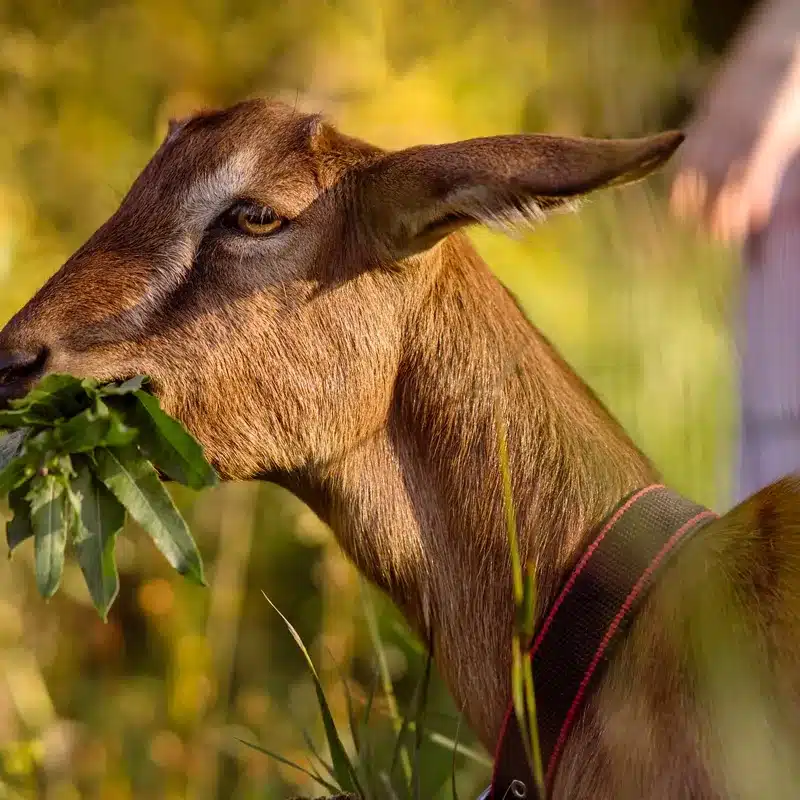
A large, graceful breed defined by long, wide pendulous ears and a strongly convex Roman nose — a nod to its Jamunapari ancestry. It comes in many colours and patterns, with a short glossy coat and a tall, upstanding frame.

🥛Milk Production

Gives 2–3 litres/day of notably rich milk — the highest butterfat of the common dairy breeds — which is prized for cheese, ghee and other value-added products.

🌦Climate Suitability

More heat-tolerant than the Swiss dairy breeds thanks to its part-Indian, part-African ancestry, making it one of the better exotic breeds for warm Indian conditions with basic shade and shelter.

🌾Feeding Requirements

A large dual-purpose breed needing about 5 kg green fodder plus 500–700 g concentrate per adult daily. Good nutrition supports both its rich milk and its meat growth.

Advantages & Disadvantages

✓ Advantages
Rich, high-butterfat milk — excellent for cheese/ghee
Good dual-purpose milk and meat
More heat-tolerant than Swiss dairy breeds
Well-suited to Indian conditions, pure or crossbred
✗ Disadvantages
Lower milk volume than Saanen/Toggenburg
Large frame needs good feed and housing
Purebred stock costly and limited in India

Tips for Beginners

1
Buy from certified breeders
Insist on documented lineage and a health card to guarantee purebred, disease-free stock.
2
Build raised, airy housing
A dry, well-ventilated shed with slatted flooring prevents hoof rot and respiratory disease.
3
Vaccinate on schedule
Follow the PPR, ET and FMD schedule from day one — prevention is far cheaper than treatment.
4
Balance the ration
Combine green fodder with a mineral-rich concentrate to sustain healthy growth and milk yield.
5
Start small, scale steadily
Begin with 5–10 does and one quality buck; expand only once you master routine management.

Frequently Asked Questions

Its ancestry traces partly to the Indian Jamunapari and to African breeds, making it far more heat-tolerant than the Swiss dairy goats. With basic shade and shelter it adapts well to warm Indian conditions.
It has the highest butterfat of the common dairy breeds — richer and creamier than Saanen or Toggenburg milk — which makes it especially prized for cheese, ghee and other value-added dairy products.
It is a true dual-purpose breed, giving 2–3 litres of rich, high-butterfat milk a day alongside a large, meaty frame — a versatile choice for Indian farms.

Interested in starting with Anglo-Nubian goats?

Talk to our team for a personalised farm plan, or reach out with any questions about getting started.

Related Breeds

View All Breeds →