
Farm planning files, ready to print. Vaccination, deworming, shed, feeding and records - in 8 languages.Browse downloads
India’s Most Trusted Goat Farming Knowledge Hub Mon – Sat: 9:00 AM – 6:00 PM
Alpine Goat
EXOTIC BREED · DAIRY

Alpine Goat

Alpine Goat
Share: fWX

Quick Facts

📍OriginFrench Alps
🐐Breed TypeDairy
⚖️Weight60–80 kg
📏Height75–90 cm
🥛Milk Production3–4 L/day
📅Life Span12–15 yrs
🌦️ClimateCool / Temperate

Breed Overview

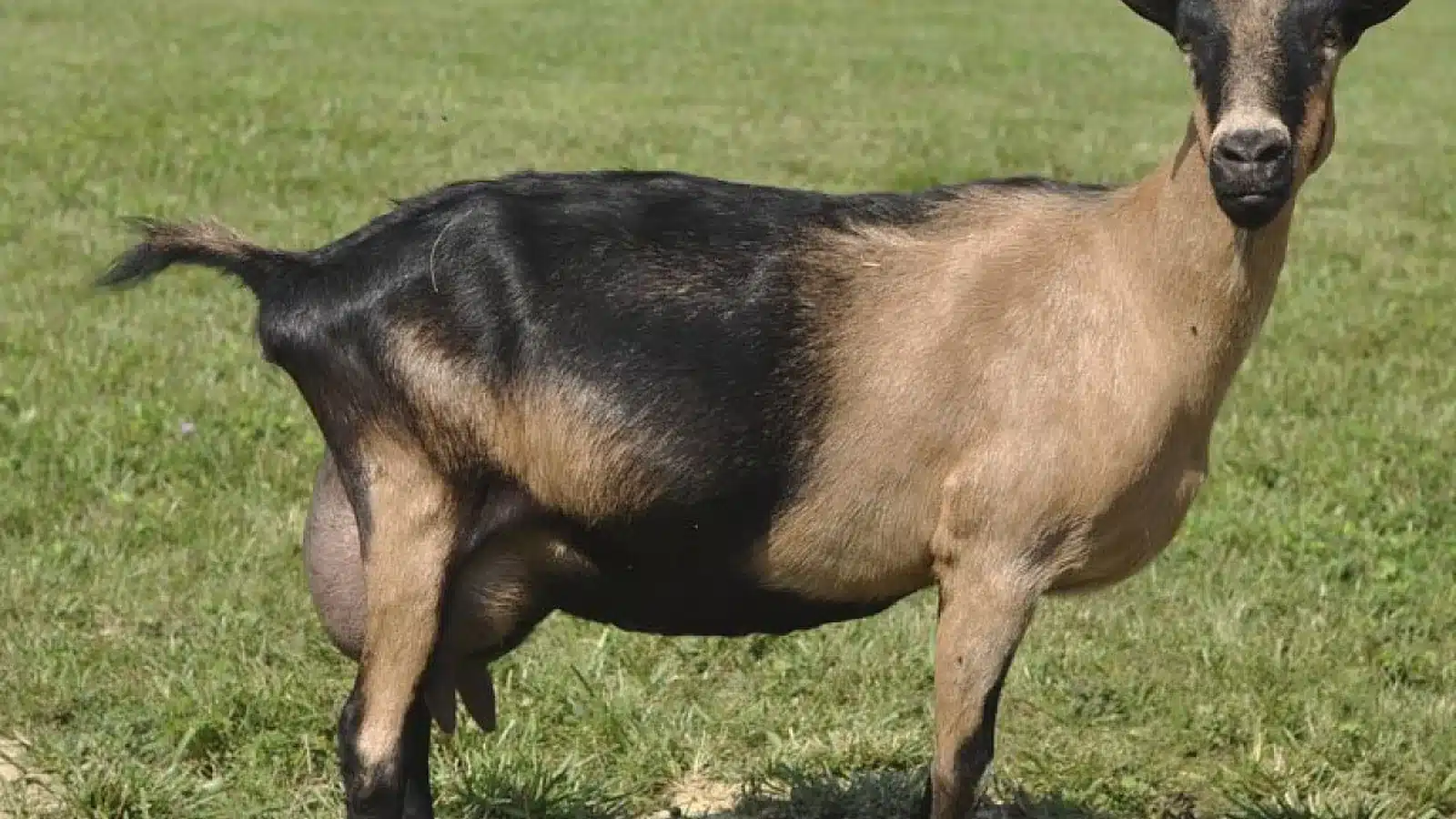
The Alpine (French Alpine) is a large, hardy dairy breed from the French Alps, prized worldwide for high milk yield and remarkable adaptability. Coming in a wide range of colours and patterns with erect ears and a straight face, it is one of the leading dairy goats globally.

More adaptable than some Swiss dairy breeds, the Alpine is used in India to improve the milk performance of local goats through crossbreeding, performing best in cooler regions and well-managed sheds with quality feed.

Key Characteristics
  • Wide range of colours and patterns (Cou Blanc, Chamoisée, etc.)
  • Large, refined dairy frame with erect ears
  • Straight facial profile
  • High milk yield and strong adaptability

🐐Physical Characteristics

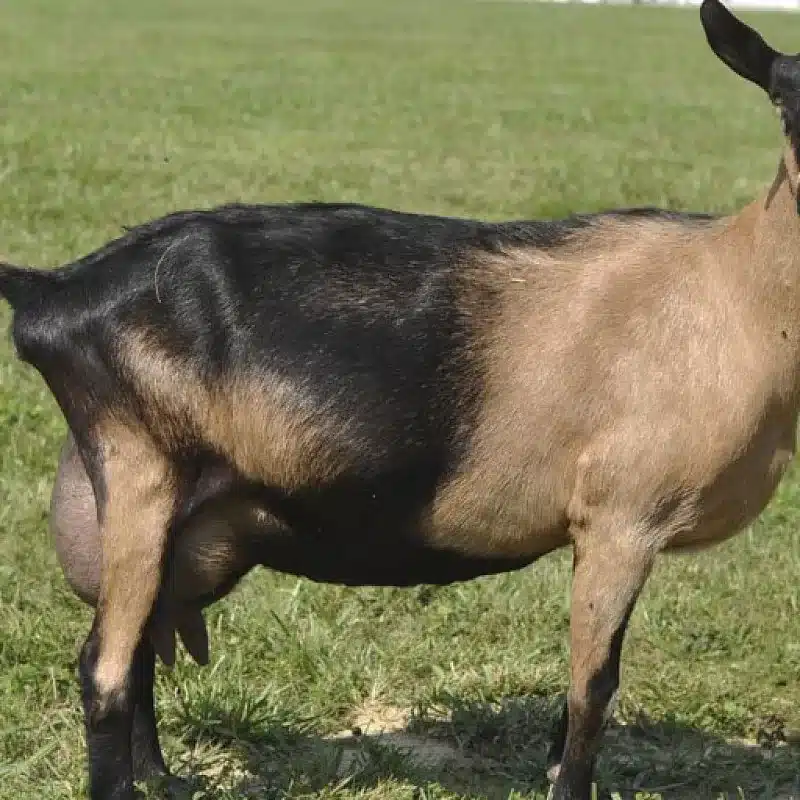
A large, refined dairy breed with erect ears, a straight face and a range of recognised colour patterns. It has a deep barrel and a well-attached udder, built for sustained high milk production.

🥛Milk Production

A top dairy performer at 3–4 litres/day over a long lactation — among the highest-yielding breeds, well above indigenous Indian goats.

🌦️Climate Suitability

A cool, temperate-climate breed that does best in Indian hill regions or well-ventilated, shaded sheds. Fairly adaptable but needs protection from extreme heat.

🌾Feeding Requirements

A high-yielder with high demands — about 5–6 kg green fodder plus 600–800 g concentrate per adult daily to sustain peak milk.

Advantages & Disadvantages

✓ Advantages
Very high milk yield — a leading dairy breed
Hardy and highly adaptable for an Alpine dairy breed
Improves local goats' milk when crossbred
Long, productive lactations
✗ Disadvantages
Heat-sensitive — best in cooler regions
High feed and management requirement
Purebred stock limited and costly in India

Tips for Beginners

1
Buy from certified breeders
Insist on documented lineage and a health card to guarantee purebred, disease-free stock.
2
Build raised, airy housing
A dry, well-ventilated shed with slatted flooring prevents hoof rot and respiratory disease.
3
Vaccinate on schedule
Follow the PPR, ET and FMD schedule from day one — prevention is far cheaper than treatment.
4
Balance the ration
Combine green fodder with a mineral-rich concentrate to sustain healthy growth and milk yield.
5
Start small, scale steadily
Begin with 5–10 does and one quality buck; expand only once you master routine management.

Frequently Asked Questions

An Alpine doe yields around 3–4 litres a day over a long lactation, making it one of the world's top dairy goats — far above any indigenous Indian breed.
Yes, with good management. As a cool-climate breed it does best in hill regions or shaded, well-ventilated sheds, and is widely used for crossbreeding to lift local milk yields.
A wide range — recognised patterns include Cou Blanc, Chamoisée, Sundgau and others — making the breed one of the most colour-varied of the dairy goats.

Interested in starting with Alpine goats?

Talk to our team for a personalised farm plan, or reach out with any questions about getting started.

Related Breeds

View All Breeds →