
Farm planning files, ready to print. Vaccination, deworming, shed, feeding and records - in 8 languages.Browse downloads
India’s Most Trusted Goat Farming Knowledge Hub Mon – Sat: 9:00 AM – 6:00 PM
Barbari Goat
INDIAN BREED · DUAL PURPOSE

Barbari Goat

Barbari Goat
Share: fWX

Quick Facts

📍OriginUP & Rajasthan
🐐Breed TypeDual (Meat + Milk)
⚖️Weight20–35 kg
📏Height45–55 cm
🥛Milk Production1–1.5 L/day
📅Life Span10–12 yrs
🌦️ClimateHot & dry / Stall-fed

Breed Overview

The Barbari is a small, compact and highly prolific Indian breed reared across Uttar Pradesh, Rajasthan and Haryana. Named after the Berbera region, it is one of the best breeds for intensive, stall-fed farming thanks to its small size, fast growth and excellent meat quality.

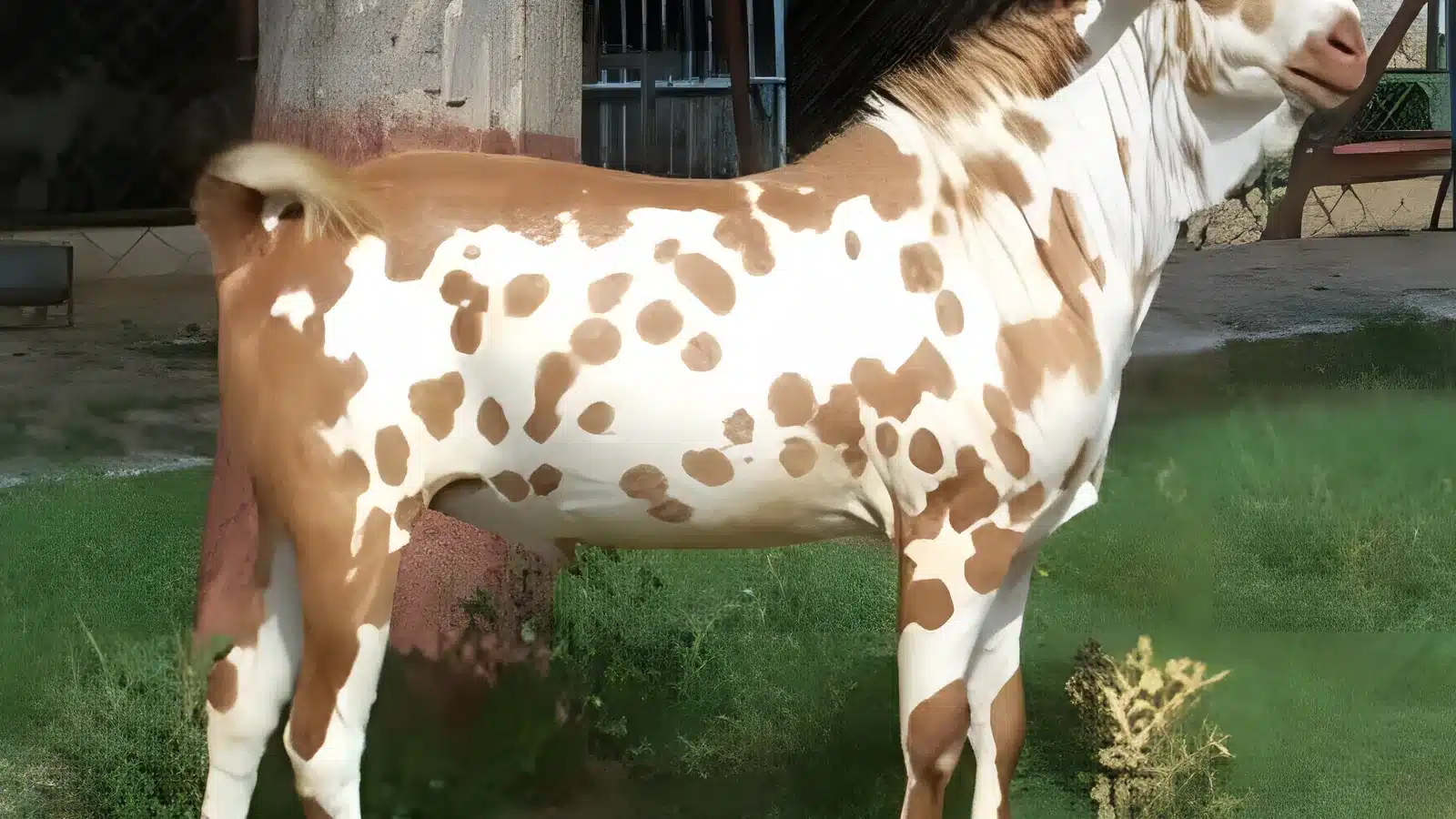
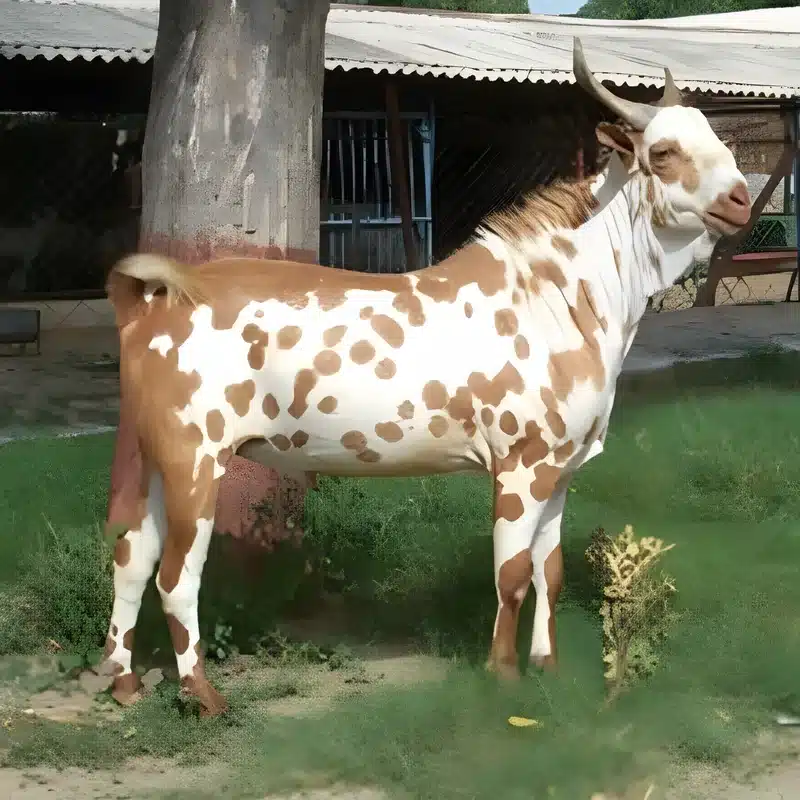
Distinctively marked with a white coat covered in reddish-brown spots and short upright ears, the Barbari is famous for its prolificacy — routinely producing twins and triplets — making it a favourite for small and landless farmers.

Key Characteristics
  • White coat with dense reddish-brown or tan spots
  • Small, compact body with short, erect ears
  • Alert, deer-like appearance with a small face
  • Highly prolific — frequent twins and triplets

🐐Physical Characteristics

A small, tight-framed breed with a white coat heavily spotted in reddish-brown or tan. It has short, upright ears (unusual among Indian breeds), a small neat head and an alert, almost deer-like stance. Both sexes carry small twisted horns.

🥛Milk Production

Yields around 1–1.5 litres/day of rich milk over a lactation of about 150 days — excellent relative to its small body size, and well-suited to household dairy and value-added products.

🌦️Climate Suitability

Extremely well-adapted to hot, dry plains and, being small and docile, ideal for confined stall-fed systems. Manages heat comfortably and needs only modest shelter and space.

🌾Feeding Requirements

A highly efficient feed converter — roughly 2–3 kg green fodder plus 250–300 g concentrate per adult per day. Its small appetite and fast growth give an excellent feed-to-meat ratio.

Advantages & Disadvantages

✓ Advantages
Exceptionally prolific — twins and triplets common
Small size ideal for stall-fed, landless farming
Fast growth with excellent, tender meat
Good milk yield for its body size
✗ Disadvantages
Small carcass — lower meat per animal
Needs good management for high kidding rates
Best kept in confinement, not extensive grazing

Tips for Beginners

1
Buy from certified breeders
Insist on documented lineage and a health card to guarantee purebred, disease-free stock.
2
Build raised, airy housing
A dry, well-ventilated shed with slatted flooring prevents hoof rot and respiratory disease.
3
Vaccinate on schedule
Follow the PPR, ET and FMD schedule from day one — prevention is far cheaper than treatment.
4
Balance the ration
Combine green fodder with a mineral-rich concentrate to sustain healthy growth and milk yield.
5
Start small, scale steadily
Begin with 5–10 does and one quality buck; expand only once you master routine management.

Frequently Asked Questions

Its small size, docile nature and efficient feed conversion make it perfect for confined, intensive systems. Farmers can keep more animals in less space, and the breed grows fast on cut-and-carry fodder.
The Barbari is one of India's most prolific breeds — twins are the norm and triplets are common, often with two kiddings across a 12–14 month cycle, allowing herds to multiply quickly.
It is a true dual-purpose breed valued for both tender meat and good milk, but its prolificacy and fast growth make it especially popular for intensive meat production.

Interested in starting with Barbari goats?

Talk to our team for a personalised farm plan, or reach out with any questions about getting started.

Related Breeds

View All Breeds →