Farm planning files, ready to print. Vaccination, deworming, shed, feeding and records - in 8 languages.Browse downloads
India’s Most Trusted Goat Farming Knowledge Hub Mon – Sat: 9:00 AM – 6:00 PM
Kiko Goat
EXOTIC BREED · MEAT

Kiko Goat

Kiko Goat
Share: fWX

Quick Facts

📍OriginNew Zealand
🐐Breed TypeMeat
⚖️Weight45–115 kg
📏Height75–90 cm
🥛Milk ProductionLow (meat breed)
📅Life Span10–15 yrs
🌦️ClimateVery hardy

Breed Overview

The Kiko goat is a hardy meat breed developed in New Zealand in the 1980s, when tough local feral goats were crossed with dairy bucks and then selected hard, generation after generation, purely for fast growth and survival on rough hill country with minimal inputs. Its name comes from a Māori word for meat, and it is now well established as a low-input meat breed, especially in the United States.

Prized for its parasite resistance, easy kidding and ability to grow on cheap forage, the Kiko excels in extensive, low-input systems. Its heat tolerance and toughness suit it to Indian grazing conditions in principle, but it remains rare and hard to source in India — Boer is the imported meat breed most Indian farmers actually use, so treat the Kiko mainly as a reference and crossbreeding-interest breed here.

Key Characteristics
  • Mostly white/cream, but occurs in almost any colour
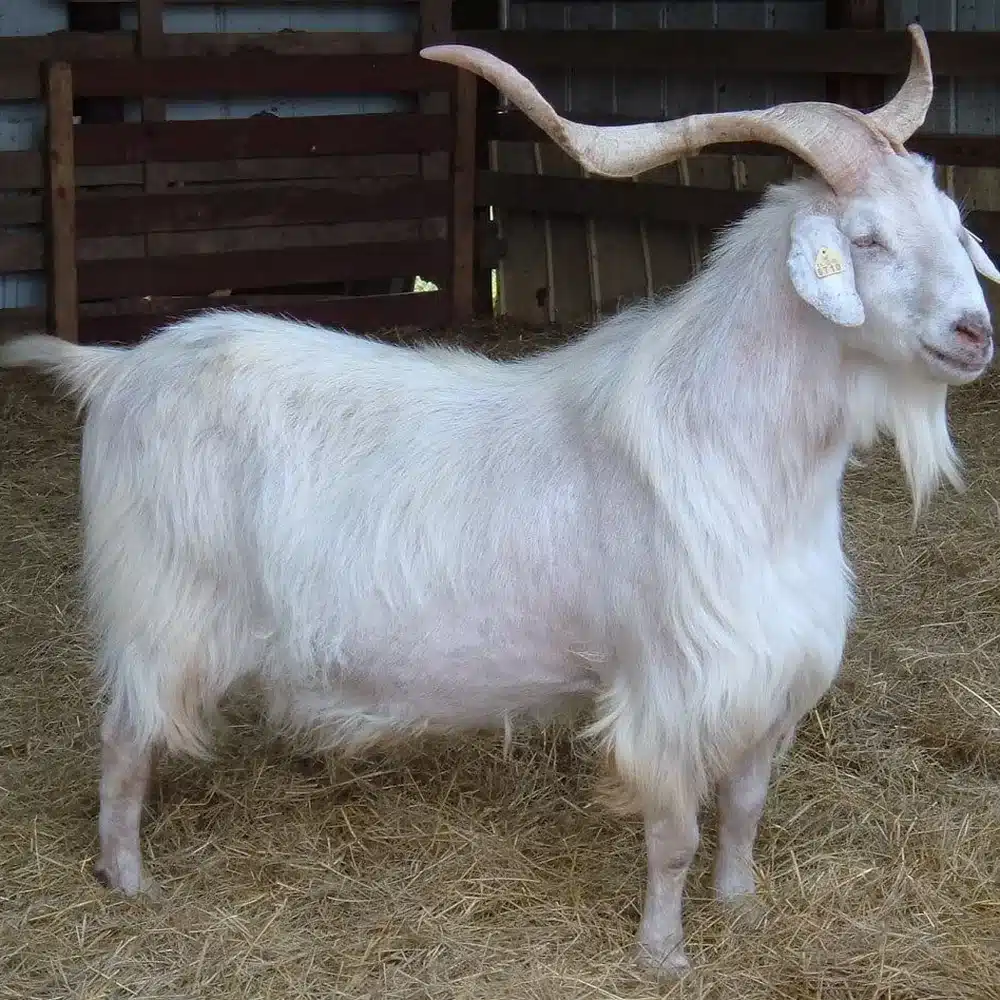
  • Large, muscular frame with wide-sweeping horns and tough hooves
  • Strong natural parasite resistance and hardiness
  • Fast, forage-based growth with excellent, easy mothering

🐐Physical Characteristics

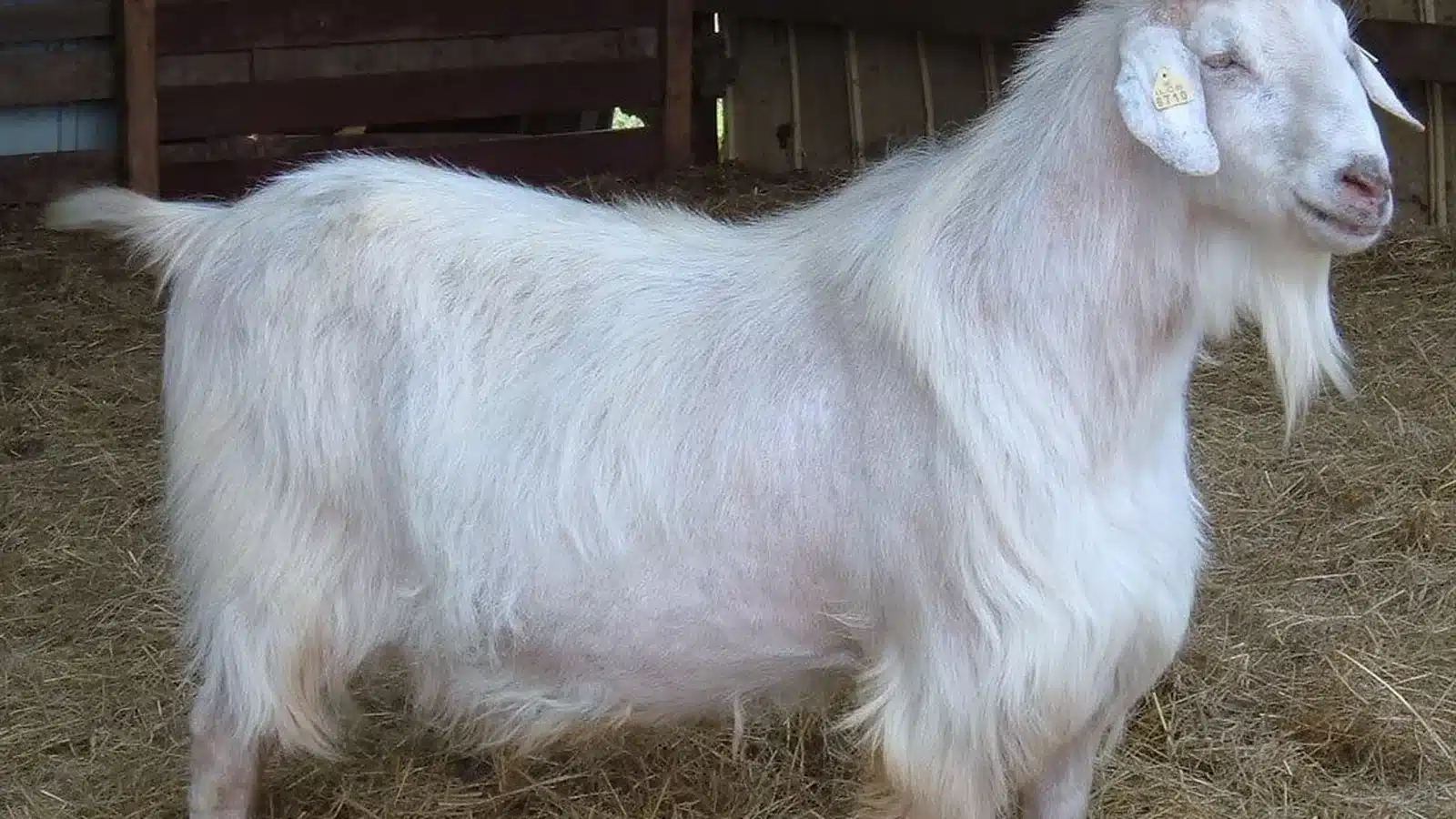
A large, deep-bodied, muscular goat with strong legs and hard hooves. Coat is usually white but any colour occurs; both sexes are typically horned, with bucks carrying wide, sweeping horns. Ears are medium and mostly erect — not long and pendulous.

🥛Milk Production

Low — the Kiko is purely a meat breed. Does milk only enough to raise fast-growing kids, so it is not kept for dairy.

🌦️Climate Suitability

Bred to survive on rough New Zealand hill country, the Kiko is exceptionally hardy and adapts to both cold-humid and hot conditions, needing little shelter or intervention — traits that suit Indian grazing systems in principle.

🌾Feeding Requirements

An efficient forager and browser with good feed conversion, the Kiko grows well on pasture, browse and low-quality forage with minimal concentrate — a key reason it is prized as a low-cost meat goat.

Advantages & Disadvantages

✓ Advantages
Very hardy, low-input and parasite-resistant
Fast, forage-based growth to market weight
Excellent, low-intervention mothering & twinning
Sound hooves, good fertility and longevity
✗ Disadvantages
Rare and hard to source in India
Meat only — poor milk yield, not for dairy
Big horns & active nature need good fencing

Tips for Beginners

1
Buy from certified breeders
Kiko stock is rare in India — verify documented lineage and health records carefully, and consider Boer or hardy Indian meat breeds if genuine Kiko is unavailable.
2
Build raised, airy housing
A dry, well-ventilated shed with slatted flooring prevents hoof rot and respiratory disease.
3
Vaccinate on schedule
Follow the PPR, ET and FMD schedule from day one — prevention is far cheaper than treatment.
4
Balance the ration
Combine green fodder with a mineral-rich concentrate to sustain healthy growth and milk yield.
5
Start small, scale steadily
Begin with 5–10 does and one quality buck; expand only once you master routine management.

Frequently Asked Questions

Yes — the Kiko is a dedicated meat breed bred for fast growth, good muscling and high carcass yield on low-cost forage, which is exactly what it was selected for in New Zealand.
They are very rare in India, with no established local herds or organised breeding stock. Farmers wanting imported meat genetics almost always use Boer or Boer crosses instead; any Kiko would need costly importing under quarantine rules.
Mature bucks typically reach about 70–115 kg (well-grown bucks can be heavier) and does about 45–65 kg, on a tall, muscular frame roughly 75–90 cm at the withers.

Interested in Kiko goats?

Talk to our team for a personalised farm plan, or reach out with any questions about getting started.

Related Breeds

View All Breeds →