Chegu Goat
The Chegu is a high-altitude pashmina breed of the western Himalayas, reared in the cold uplands of Himachal Pradesh and parts of Ladakh. Alongside the Changthangi, it is one of India’s two pashmina (cashmere)…

Breed Overview
The Chegu is a high-altitude pashmina breed of the western Himalayas, reared in the cold uplands of Himachal Pradesh and parts of Ladakh. Alongside the Changthangi, it is one of India’s two pashmina (cashmere) producers, growing a fine soft undercoat prized for luxury shawls.
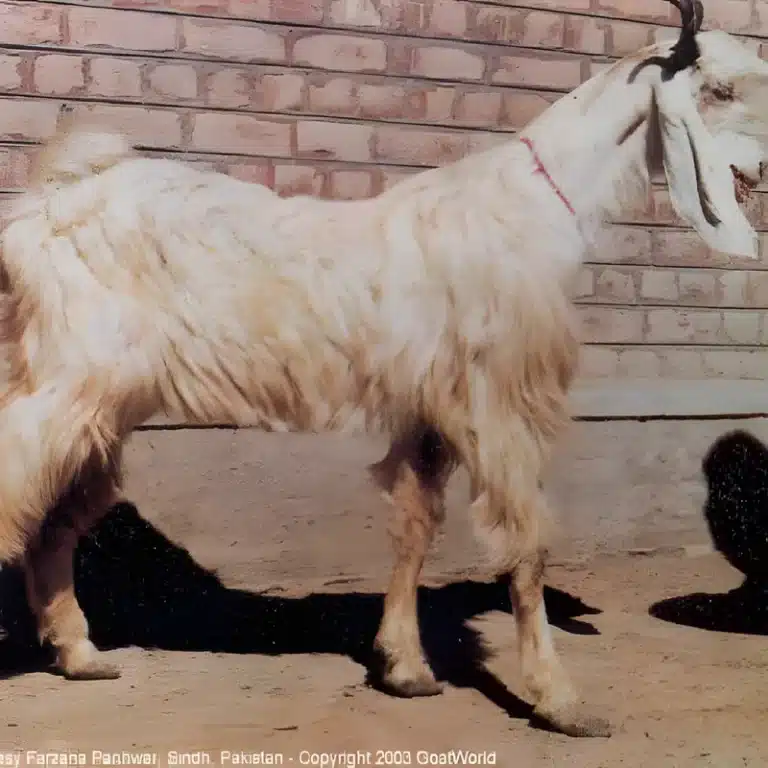
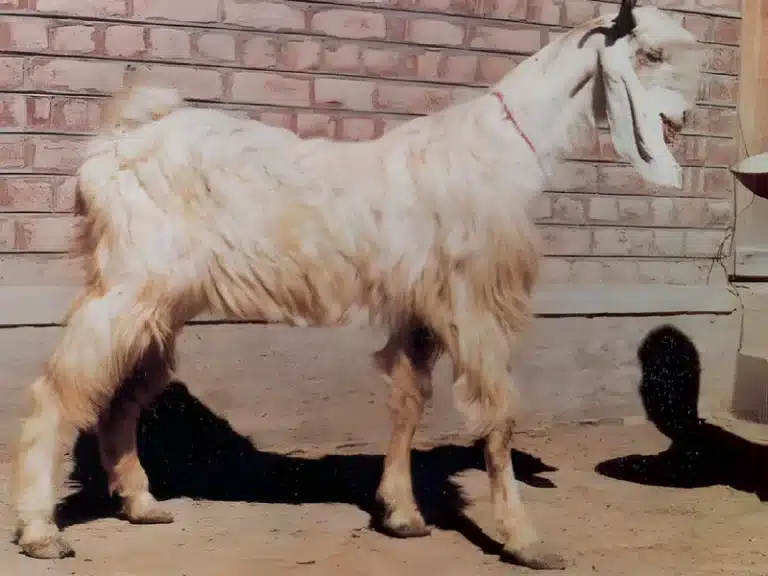
White or grey with a coarse outer coat over its precious pashmina, the Chegu is a dual-purpose mountain breed valued for both its fibre and its meat, and it is well-suited to the harsh, cold conditions of the high Himalaya.
Key benefits of the Chegu Goat
- Produces prized pashmina (cashmere) fibre
- Dual value from fibre plus meat
- Superbly adapted to cold high-altitude terrain
- Economical on natural alpine grazing
- White or grey coat with a fine pashmina undercoat
- Medium mountain frame with a coarse outer coat
- Large spiral horns in both sexes
- Produces prized cashmere fibre plus meat
🐐Physical Characteristics
A medium mountain breed, usually white or grey, with a coarse guard coat over a fine, soft pashmina undercoat. It has large spiralled horns in both sexes and a hardy frame built for cold, rugged terrain.
🥛Milk Production
A low 0.5–1 litre/day — sufficient to rear kids, as the breed is prized for its pashmina fibre and meat rather than for dairy.
🌦Climate Suitability
Adapted to the cold, high-altitude Himalaya. The harsh climate is essential to fibre quality — the colder the winter, the finer and denser the pashmina undercoat it grows.
🌾Feeding Requirements
Grazes sparse alpine pasture and hill browse, needing little supplementation. A hardy, economical breed for high-altitude pastoral systems.