
Farm planning files, ready to print. Vaccination, deworming, shed, feeding and records - in 8 languages.Browse downloads
India’s Most Trusted Goat Farming Knowledge Hub Mon – Sat: 9:00 AM – 6:00 PM
Black Bengal Goat
INDIAN BREED · MEAT

Black Bengal Goat

Black Bengal Goat
Share: fWX

Quick Facts

📍OriginEastern India & Bengal
🐐Breed TypeMeat & Skin
⚖️Weight15–20 kg
📏Height40–50 cm
🥛Milk Production0.5–1 L/day
📅Life Span10–12 yrs
🌦️ClimateHumid tropical

Breed Overview

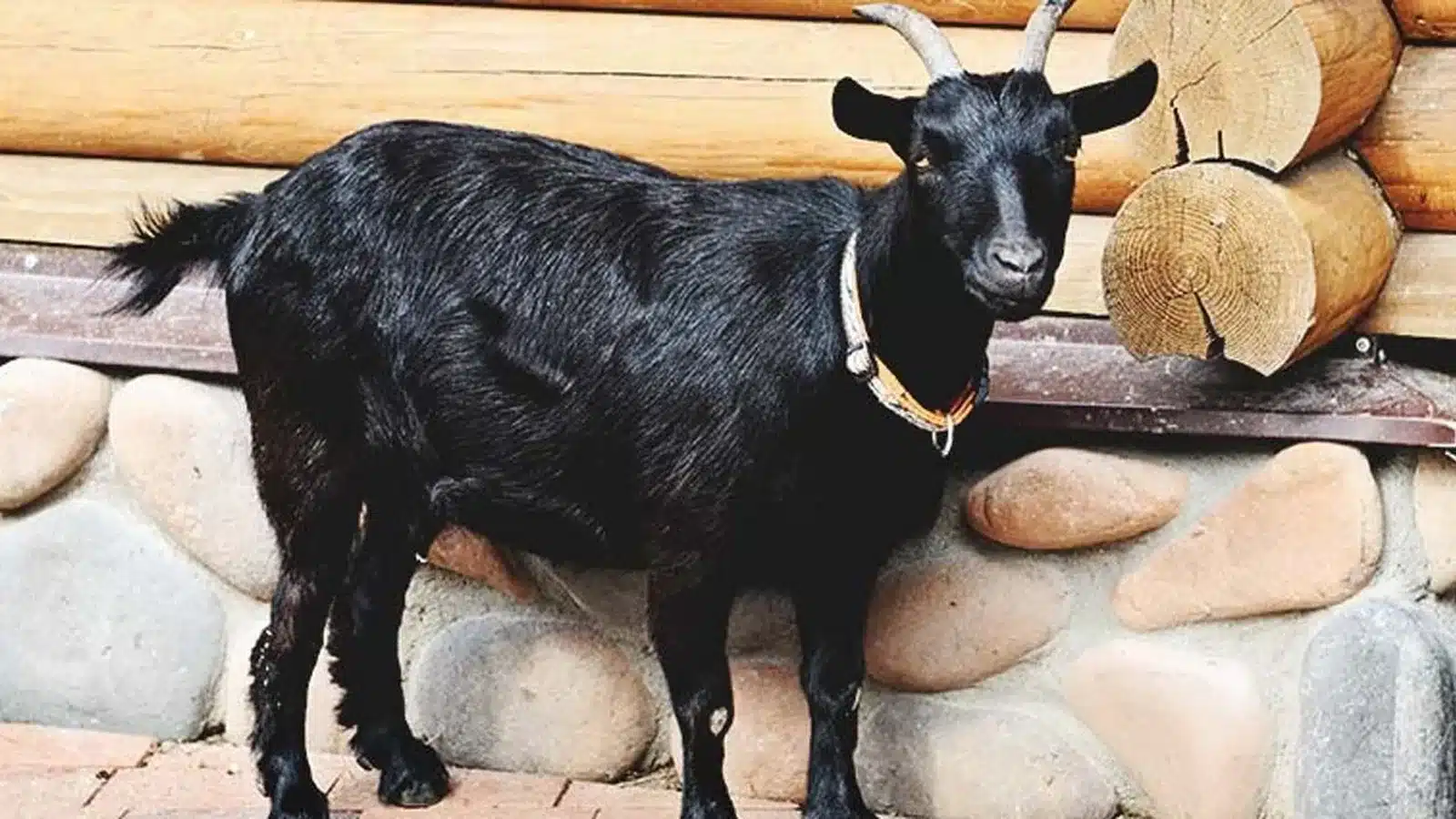
The Black Bengal is the pride of eastern India — reared across West Bengal, Bihar, Odisha, Assam and Bangladesh. Small, sturdy and jet-black, it is prized above all for the finest goat meat (chevon) in the country and for premium-quality skin used in high-end leather.

What it lacks in size it more than makes up for in prolificacy and hardiness — kidding twice a year with frequent twins and triplets, thriving on minimal inputs, and resisting the diseases of hot, humid climates.

Key Characteristics
  • Small, compact body, usually jet black (also brown, grey, white)
  • Short legs and short, glossy coat
  • Small backward-curving horns and short ears
  • Exceptionally prolific — twins and triplets, twice yearly

🐐Physical Characteristics

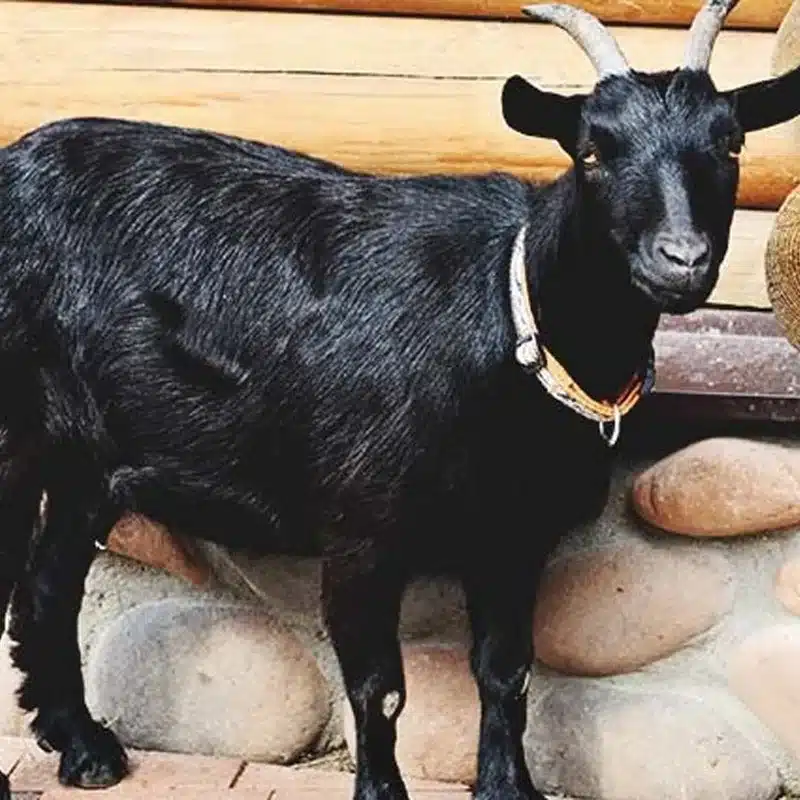
A small, dwarf-like breed with short legs and a deep, compact body. Predominantly black, though brown, grey and white animals occur. Short glossy hair, small pointed ears and small horns curving backward in both sexes.

🥛Milk Production

A modest 0.5–1 litre/day — enough only to raise its kids, as this is a meat-and-skin breed rather than a dairy animal. Does are excellent mothers with good milk for their litter.

🌦️Climate Suitability

Superbly adapted to the hot, humid tropics of eastern India. Highly disease- and parasite-resistant, it thrives on marginal grazing, household scraps and roadside browse with minimal shelter.

🌾Feeding Requirements

One of the most economical breeds — subsists largely on grazing, tree leaves and kitchen waste, with a little concentrate for breeding does. Very low feed cost makes it ideal for landless and marginal farmers.

Advantages & Disadvantages

✓ Advantages
Finest-quality chevon — premium meat demand
World-famous skin, prized for soft leather
Extremely prolific — twins/triplets, two kiddings a year
Very hardy and cheap to feed on marginal inputs
✗ Disadvantages
Very small carcass — low meat weight per animal
Slow to reach large market weight
Minimal milk — not a dairy breed

Tips for Beginners

1
Buy from certified breeders
Insist on documented lineage and a health card to guarantee purebred, disease-free stock.
2
Build raised, airy housing
A dry, well-ventilated shed with slatted flooring prevents hoof rot and respiratory disease.
3
Vaccinate on schedule
Follow the PPR, ET and FMD schedule from day one — prevention is far cheaper than treatment.
4
Balance the ration
Combine green fodder with a mineral-rich concentrate to sustain healthy growth and milk yield.
5
Start small, scale steadily
Begin with 5–10 does and one quality buck; expand only once you master routine management.

Frequently Asked Questions

Black Bengal chevon is renowned for its tenderness, low fat and superior taste, consistently fetching premium prices. Its skin is equally famous, producing some of the finest, most supple leather in the world.
Exceptionally so — does commonly bear twins or triplets and can kid twice a year. This rapid multiplication lets even a small starter herd grow quickly, offsetting the breed's small body size.
Yes — it is native to the humid tropics of eastern India and Bangladesh and is highly resistant to the parasites and diseases of wet climates, making it one of the best breeds for those conditions.

Interested in starting with Black goats?

Talk to our team for a personalised farm plan, or reach out with any questions about getting started.

Related Breeds

View All Breeds →