Goat Breeds
Sojat vs Sirohi: Which Breed Should You Choose?
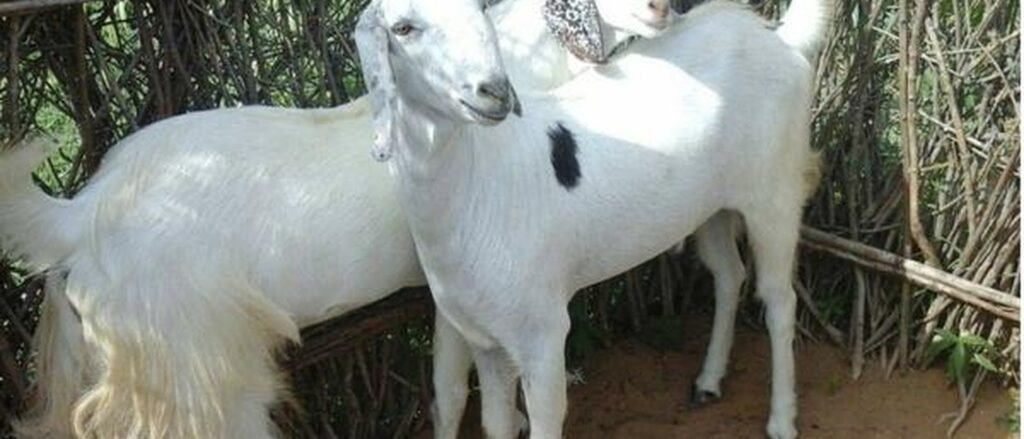
Sojat and Sirohi are two of Rajasthan’s most popular goat breeds — and both are excellent choices. The right one for you depends on what you’re farming for, and how much fodder and care you can invest.
Two Strong Rajasthan Breeds
Both breeds are hardy, well-adapted to arid conditions, and command good market prices. Sojat leans toward premium meat with a striking white coat, while Sirohi is prized for its exceptional hardiness and fast weight gain on modest feed. Neither is objectively “better” — the right pick depends on your goals.
💡 Pro Tip
Visit a few local breeders before deciding — coat quality, ear length and temperament vary between bloodlines even within the same breed.
At a Glance
How to Decide
1
Define your goal
Decide if premium meat pricing or maximum hardiness on lean fodder matters more to you.
2
Check your local climate
Both are arid-adapted, but Sirohi tolerates poorer fodder and rougher terrain slightly better.
3
Assess your budget
Purebred Sojat stock with strong coat quality can carry a premium over average Sirohi stock.
4
Source from certified breeders
Insist on documented lineage and a health card for either breed.
5
Start small
Begin with 5–10 does of your chosen breed before scaling up.
Common Mistakes to Avoid
- Choosing a breed based on looks alone, ignoring your climate and fodder access.
- Buying unverified stock without checking lineage or health records.
- Starting with too large a herd before learning the basics of either breed.
Care Considerations
- Both breeds thrive on locally available shrubs and crop residue — feed costs stay low.
- Provide raised, dry housing for both to prevent hoof and respiratory issues.
- Follow the standard PPR, ET and FMD vaccination schedule regardless of breed.
🔑 Key Takeaways
- Sojat suits farmers prioritising premium meat and a striking, marketable coat.
- Sirohi suits farmers who want maximum hardiness on minimal fodder.
- Both are well-adapted to Rajasthan’s arid climate and command strong resale value.
- Visit local breeders and start small before committing to a full herd.
GI
Team GoatIndia
GoatIndia Editorial
Prepared by the GoatIndia editorial team from vetted sources including ICAR-CIRG, NBAGR and state veterinary universities. Contact us →
Frequently Asked Questions
Choosing your first breed?
Ask our team which breed fits your climate and market — or compare more Indian goat breeds side by side.
Related Articles
Don’t miss similar guides
Get practical goat-farming guides delivered every week.