Osmanabadi Goat
The Osmanabadi is one of Maharashtra’s premier meat breeds, native to the Osmanabad, Latur and Tuljapur belt of the Marathwada region. Tall, mostly black and well-muscled, it is a leading choice for commercial meat…
Breed Overview
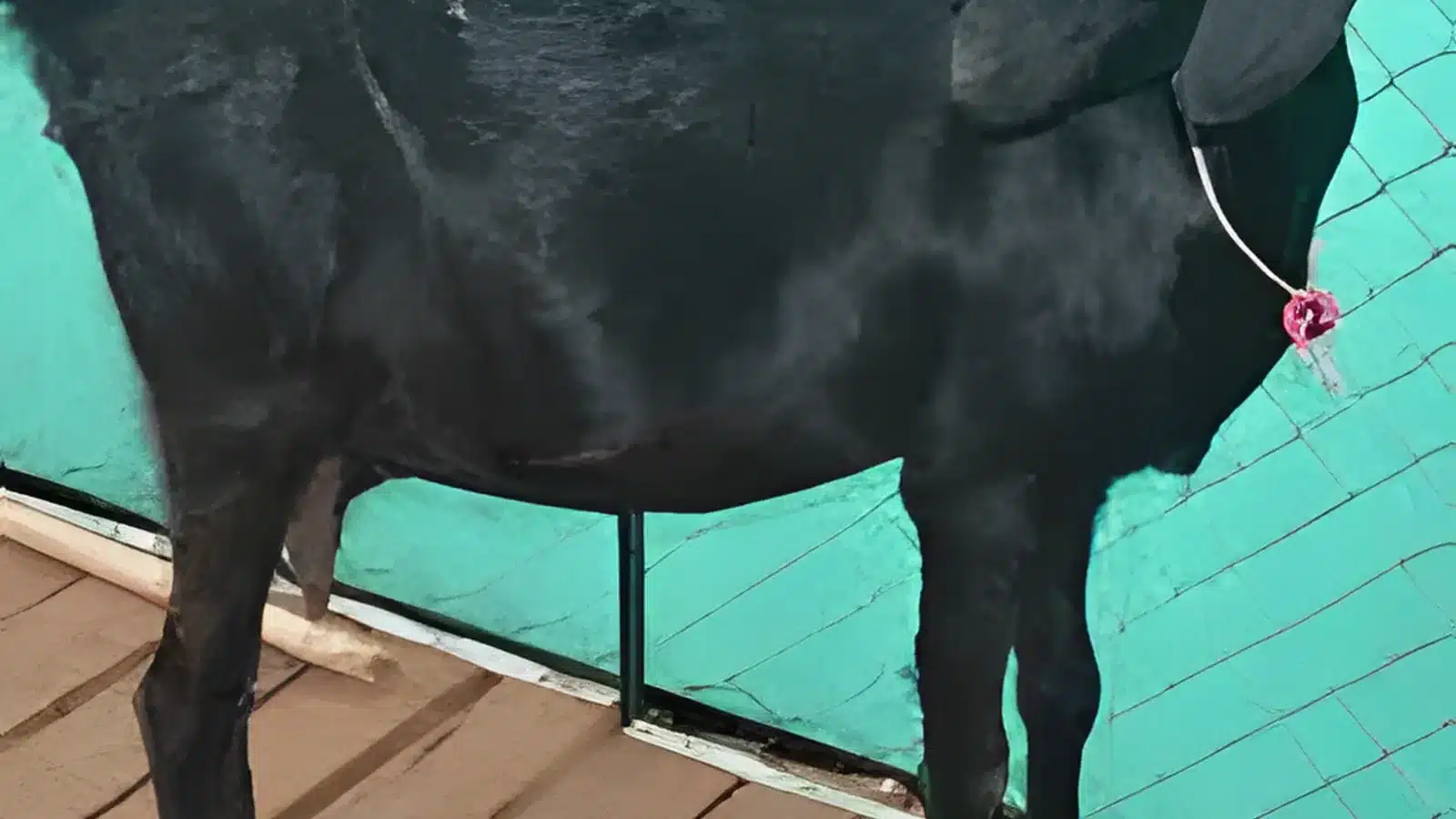
The Osmanabadi is one of Maharashtra’s premier meat breeds, native to the Osmanabad, Latur and Tuljapur belt of the Marathwada region. Tall, mostly black and well-muscled, it is a leading choice for commercial meat farming across the state.
Prized for its fast growth, good carcass quality and strong adaptability, the Osmanabadi performs well under both grazing and semi-intensive systems and commands steady demand in Maharashtra’s large chevon market.
Key benefits of the Osmanabadi Goat
- Excellent meat breed with fast growth
- Tall, well-muscled frame — good carcass yield
- Hardy and adaptable across dry regions
- Strong, steady demand in Maharashtra’s meat market
- Predominantly black (also white, brown or spotted)
- Tall, well-muscled frame with long legs
- Medium drooping ears, both sexes usually horned
- Fast-growing with good meat conformation
🐐Physical Characteristics
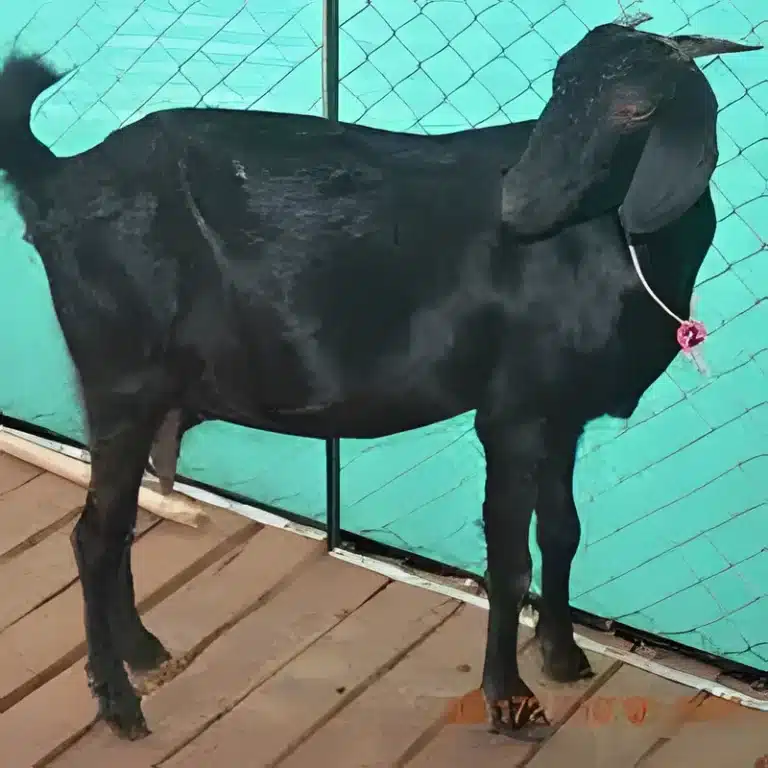
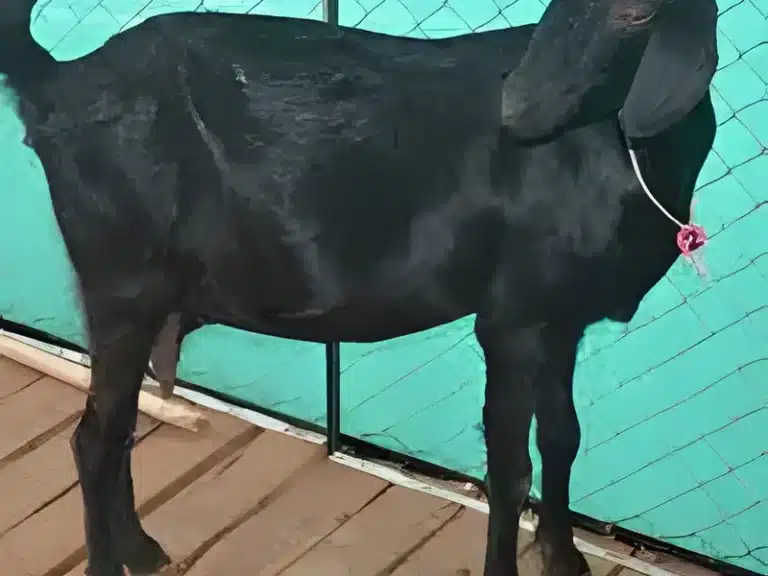
A tall, well-built breed, most often black though white, brown and spotted animals occur. It has long legs, a deep body, medium drooping ears and horns in both sexes, giving good meat conformation and dressing percentage.
🥛Milk Production
Gives about 1–1.5 litres/day during lactation — enough for household use and to rear strong kids, though the breed is kept primarily for meat rather than dairy.
🌦Climate Suitability
Well-adapted to the semi-arid Marathwada region and similar dry zones. Hardy and heat-tolerant, it does well on extensive grazing and adapts readily to semi-intensive management.
🌾Feeding Requirements
Performs well on grazing plus 300–450 g concentrate for finishing and breeding stock. Efficient on local fodder, shrubs and crop residues, keeping meat-production costs competitive.