Malabari Goat
The Malabari, also called the Tellicherry, is Kerala’s leading dual-purpose breed, developed in the Malabar coastal region. Well-adapted to the hot, humid tropics of the south-west coast, it gives good milk and quality meat…
Breed Overview
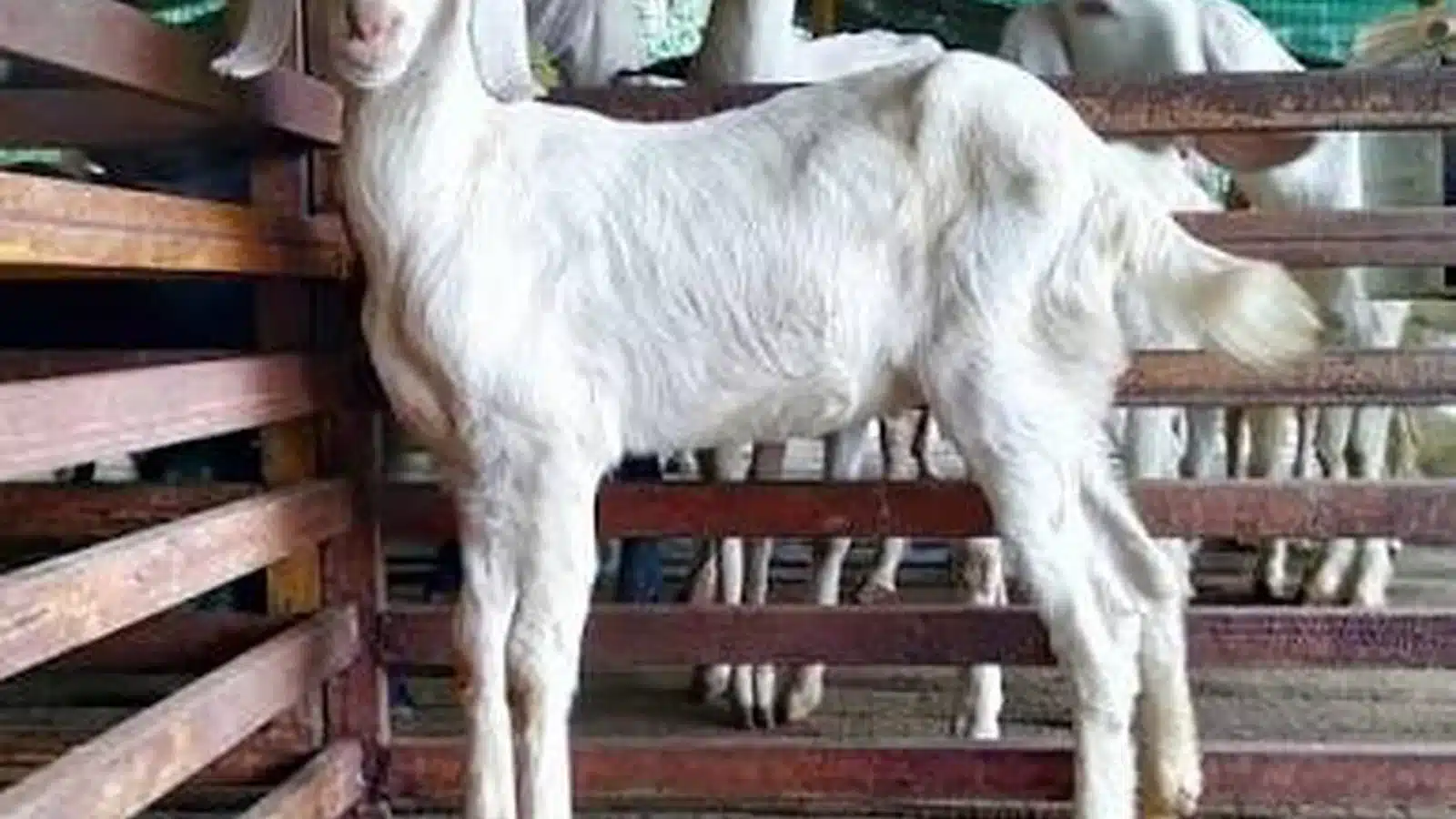
The Malabari, also called the Tellicherry, is Kerala’s leading dual-purpose breed, developed in the Malabar coastal region. Well-adapted to the hot, humid tropics of the south-west coast, it gives good milk and quality meat while remaining prolific and easy to keep.
Highly variable in colour and shaped by generations of local selection, the Malabari is a productive, adaptable breed that suits the smallholder and homestead farms typical of Kerala’s densely populated countryside.
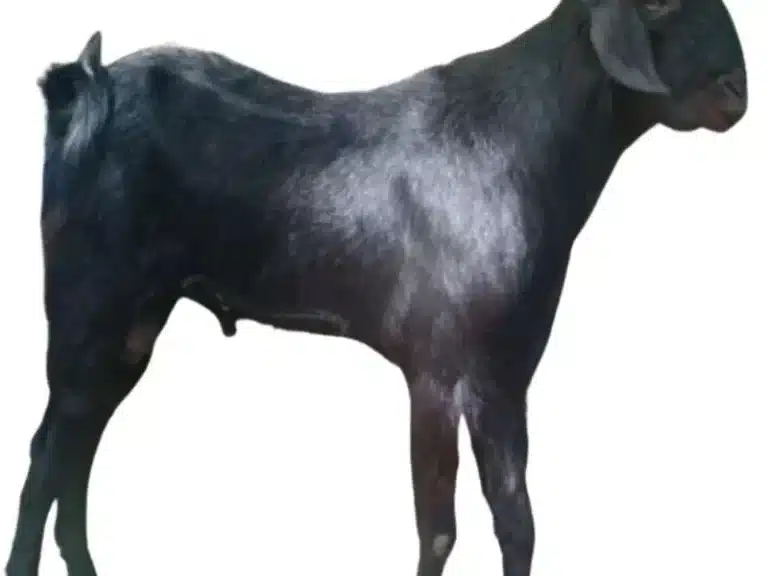
Key benefits of the Malabari Goat
- Well-adapted to hot, humid coastal climates
- Good dual-purpose milk and meat
- Prolific with good mothering ability
- Ideal for smallholder and homestead farming
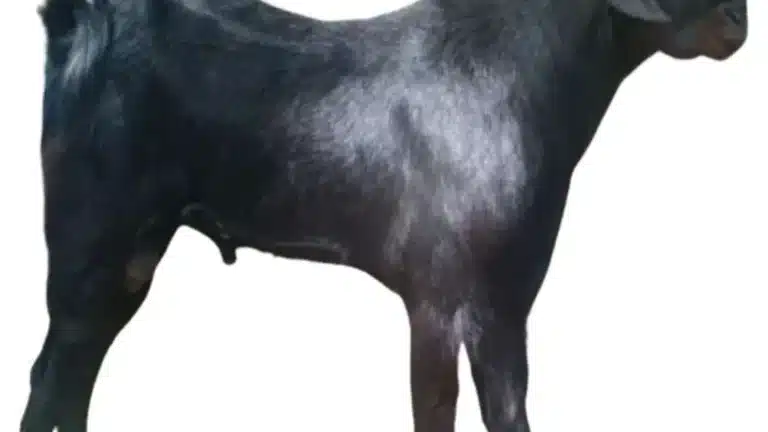
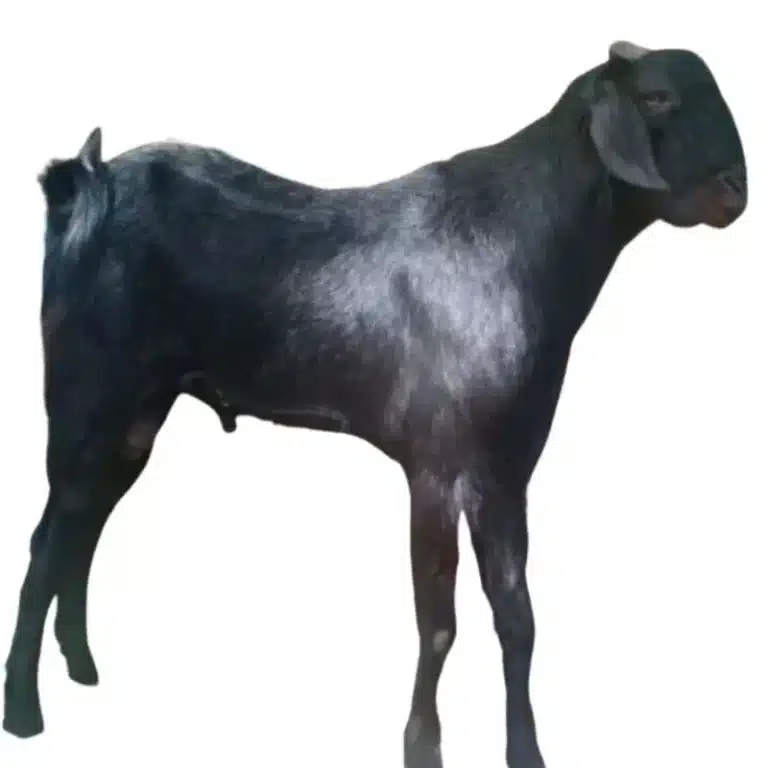
- Variable coat — white, black, brown or piebald
- Medium build, often with small twisted horns
- Small to medium ears, some with wattles
- Prolific and well-adapted to humid coastal climates
🐐Physical Characteristics
A medium breed of highly variable colour — white, black, brown or mixed — reflecting its mixed ancestry. It has a moderate frame, small-to-medium ears (sometimes with wattles) and small twisted horns in many animals.
🥛Milk Production
A useful 1–2 litres/day over a lactation of about 170 days, giving Kerala’s smallholders a steady household supply alongside good meat value.
🌦Climate Suitability
Purpose-suited to the hot, humid tropics of coastal Kerala. It tolerates high humidity and monsoon rainfall better than most breeds and resists the parasites of wet climates reasonably well.
🌾Feeding Requirements
Thrives on abundant green browse, tree leaves and kitchen greens typical of Kerala homesteads, supplemented with 300–400 g concentrate for milking does.