Chamba Goat
The Chamba is a hardy dual-purpose mountain breed from the Chamba district of Himachal Pradesh in the western Himalayas. Usually white or brown, it is reared for both milk and meat by hill communities…

Breed Overview
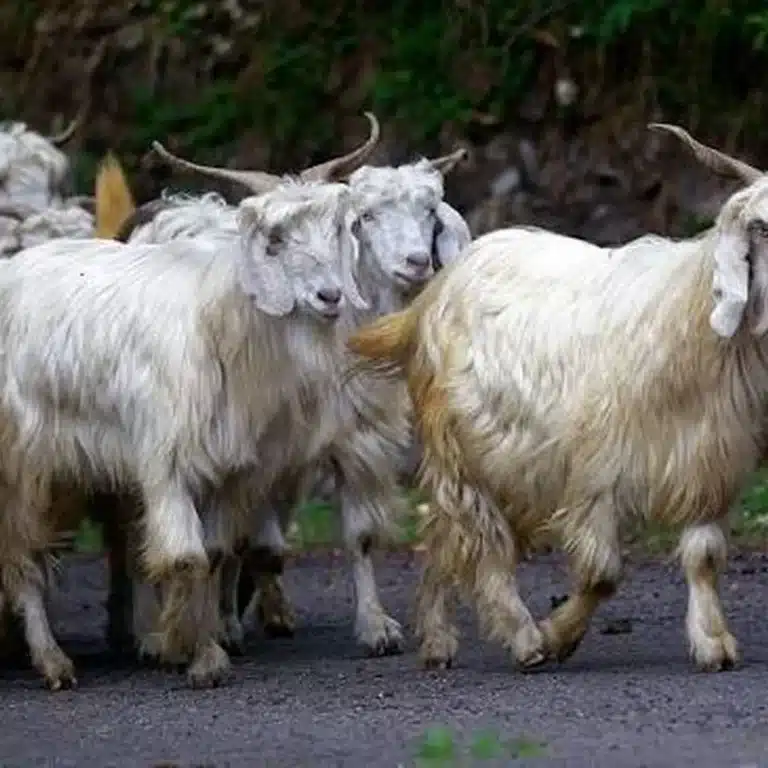
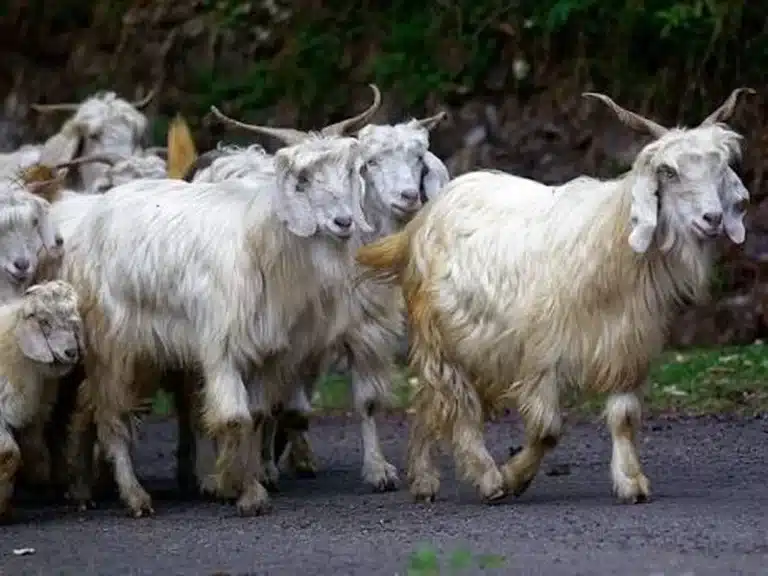
The Chamba is a hardy dual-purpose mountain breed from the Chamba district of Himachal Pradesh in the western Himalayas. Usually white or brown, it is reared for both milk and meat by hill communities and is well-suited to the cool, rugged terrain of the lower and mid Himalaya.
Sure-footed and adaptable, the Chamba is a dependable smallholder breed for Himachal’s hill farms, giving useful milk and quality meat while thriving on natural grazing across steep mountain pastures.
Key benefits of the Chamba Goat
- Hardy dual-purpose Himalayan breed
- Useful milk plus quality meat
- Sure-footed and adaptable on hill terrain
- Thrives on natural mountain grazing
- Usually white or brown coat
- Compact, sturdy, sure-footed mountain frame
- Medium ears and curved horns
- Dual-purpose milk and meat
🐐Physical Characteristics
A compact, sturdy mountain breed, usually white or brown, with medium ears and curved horns. Its strong legs and hooves are well-suited to steep, rocky Himalayan hill terrain.
🥛Milk Production
A useful 1–1.5 litres/day over a lactation of about 160 days, giving Himachal hill families a steady household supply alongside meat.
🌦️Climate Suitability
Well-adapted to the cool, rugged terrain of the lower and mid Himalaya. Hardy in mountain cold and sure-footed on steep pastures.
🌾Feeding Requirements
Thrives on natural hill grazing and browse, supplemented with a little concentrate for milking does. Economical and well-suited to Himachal’s smallholder hill farms.