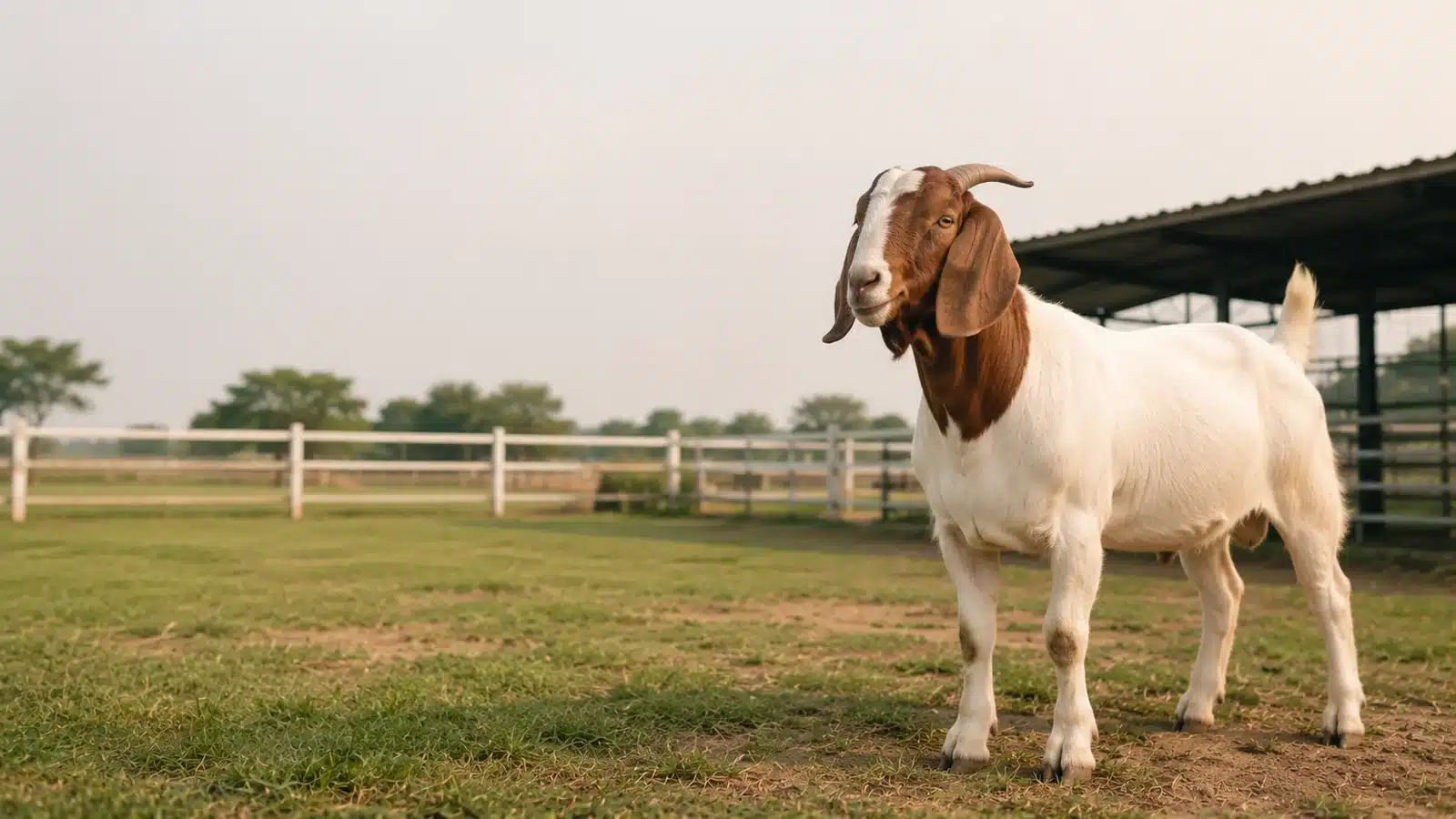

Exotic Goat Breeds
Non-native breeds bring higher milk yields, superior meat and fibre, and valuable crossbreeding genetics to Indian farms. But they trade some of that upside for hardiness — most need better housing and feed management than tough native breeds like Sojat or Sirohi to perform well in Indian conditions.
🥛 Dairy Breeds
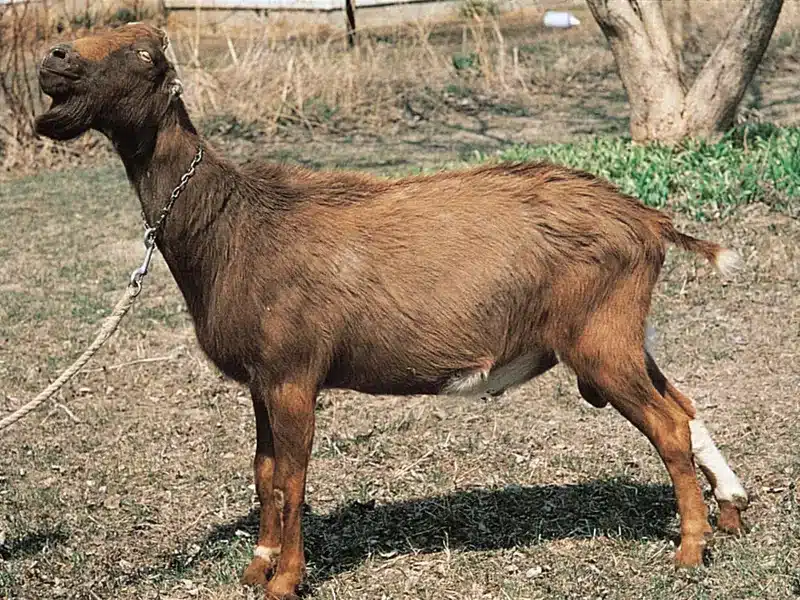
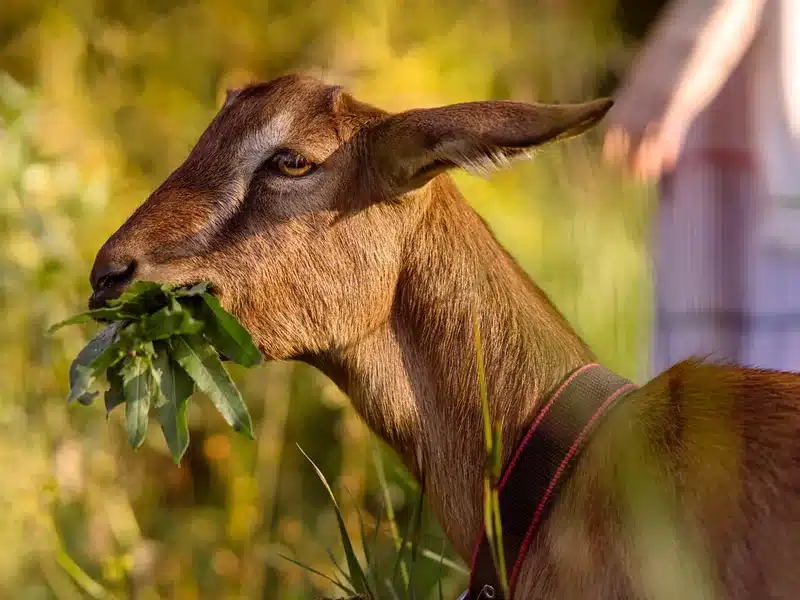
High-volume milk producers built for commercial dairy operations.
🥩 Meat Breeds
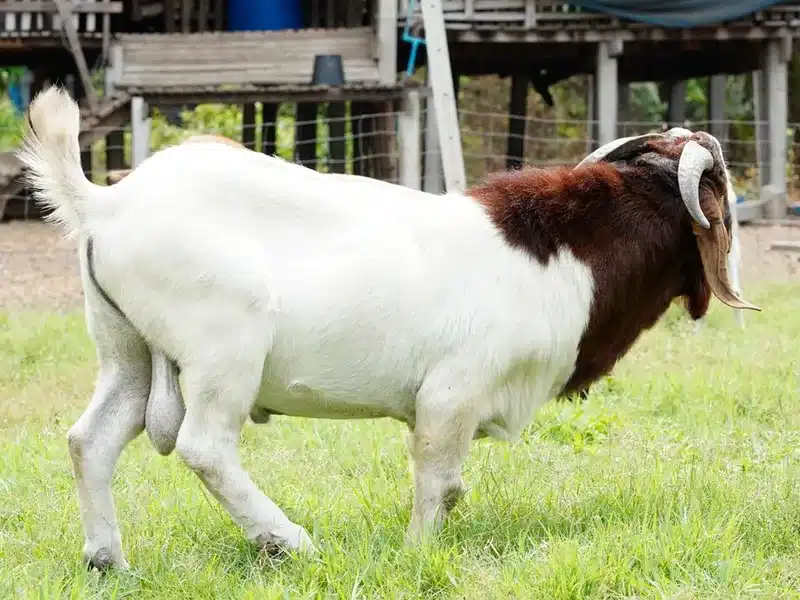
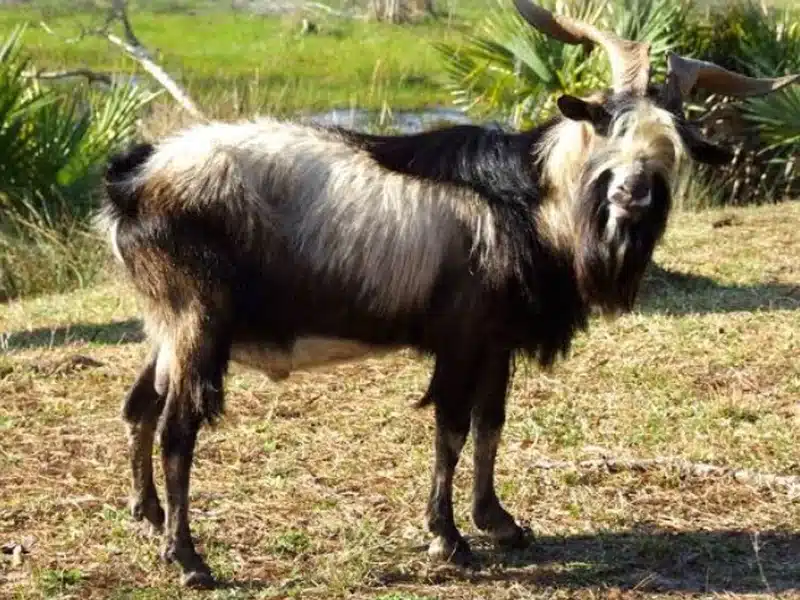
Fast-growing breeds bred for carcass quality and rapid market weight.
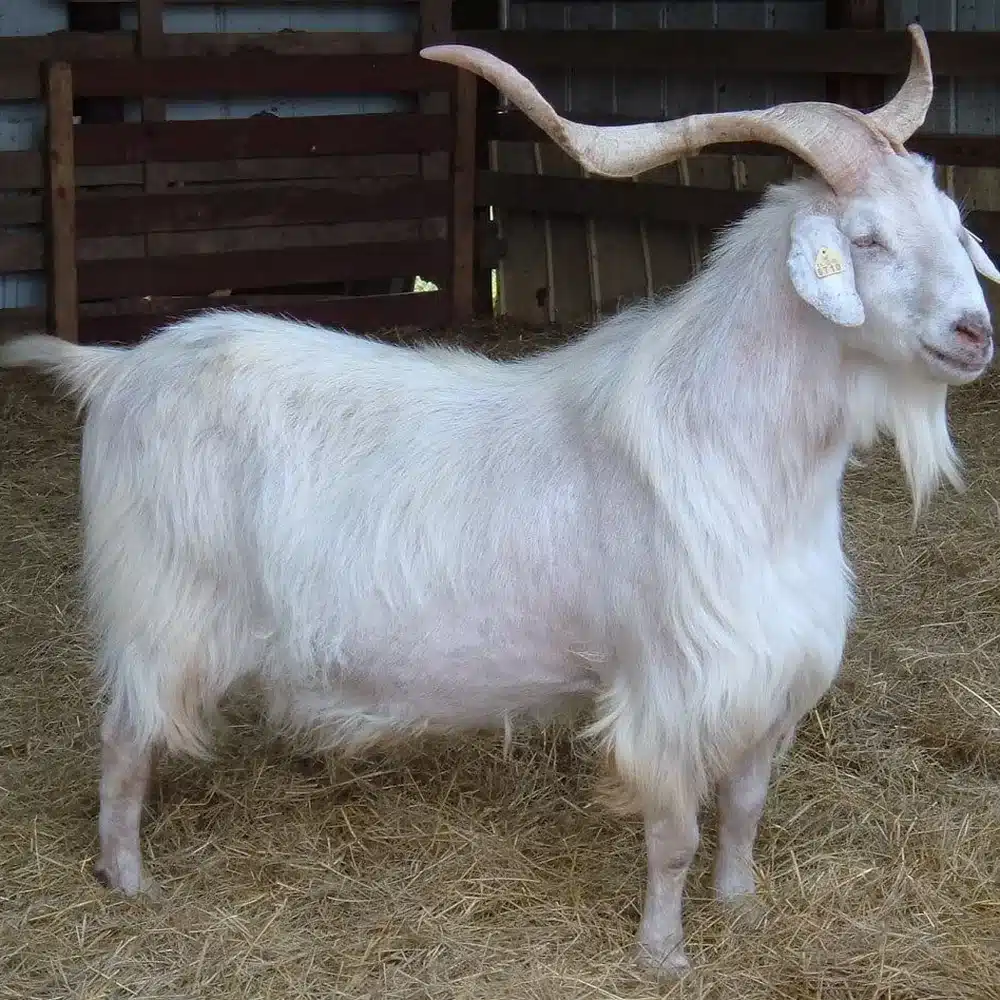
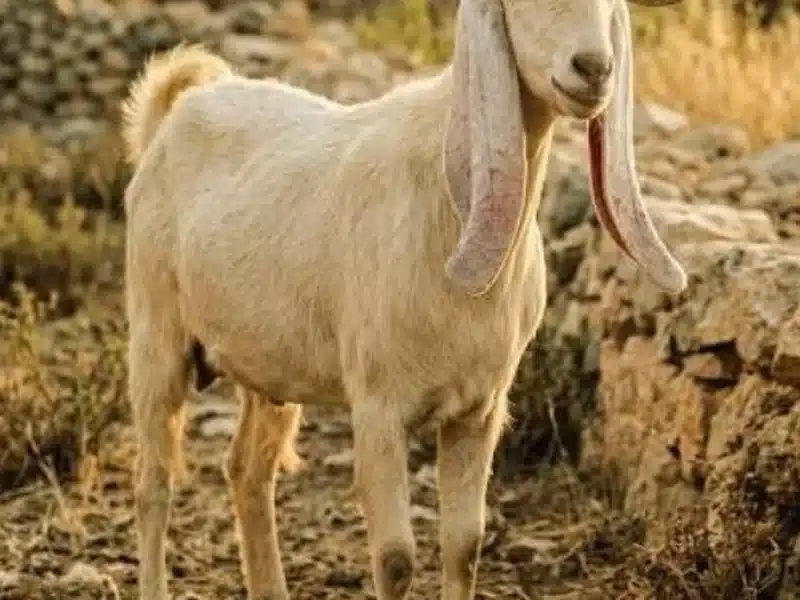
🧶 Fiber Breeds
Prized for mohair and cashmere — specialty fibre production.
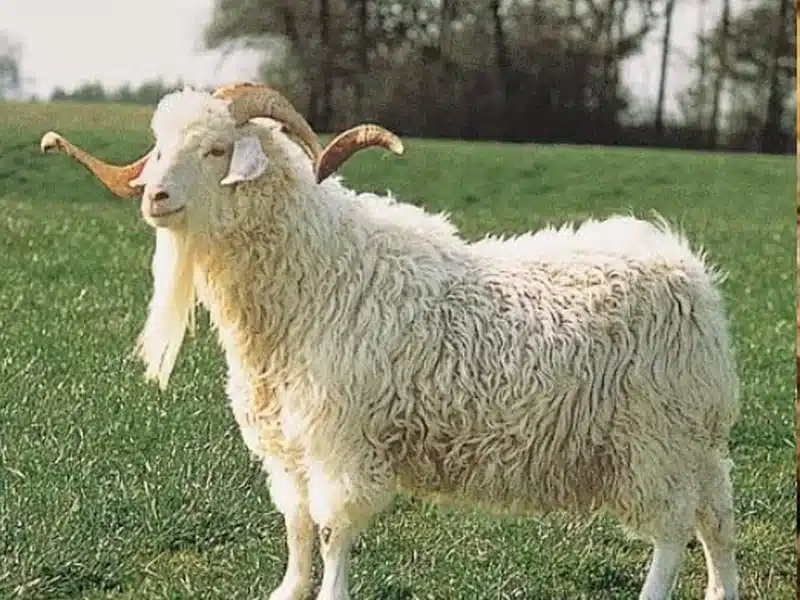
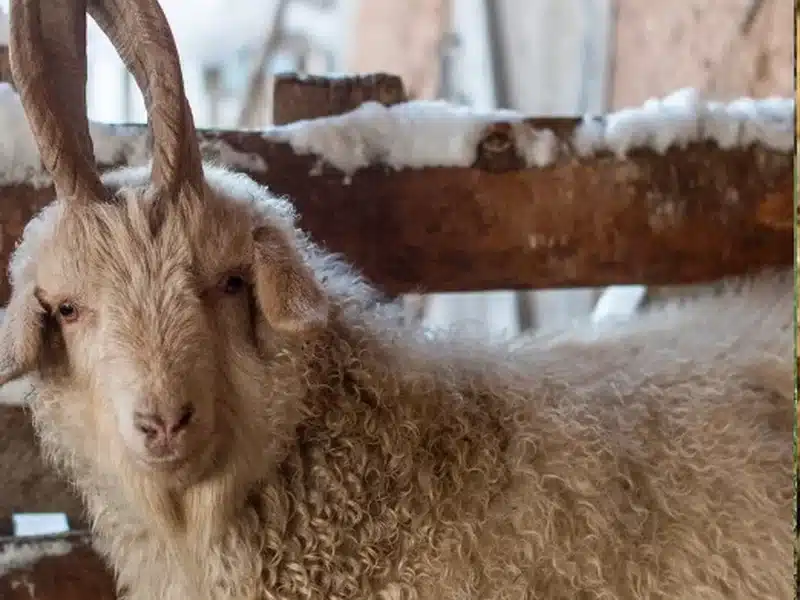
🌟 Specialty & Heritage
Niche breeds for homesteading, artisan dairy and genetic conservation.
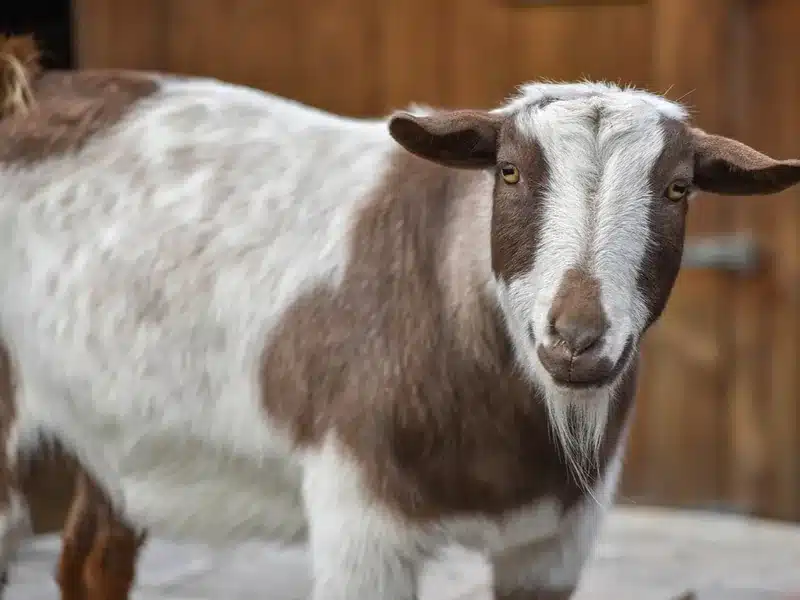
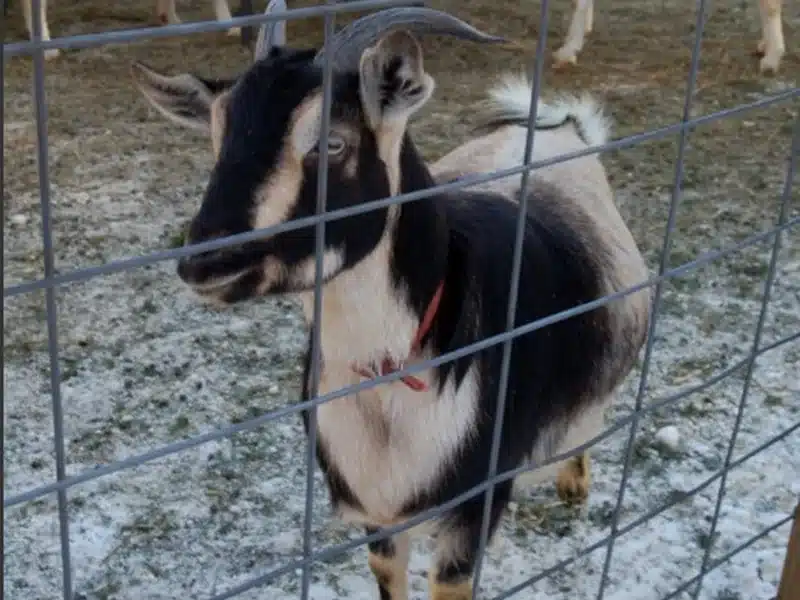
At a Glance: Exotic Breed Comparison
| Breed | Origin | Primary Use | Daily Milk (L) | Signature Feature |
|---|---|---|---|---|
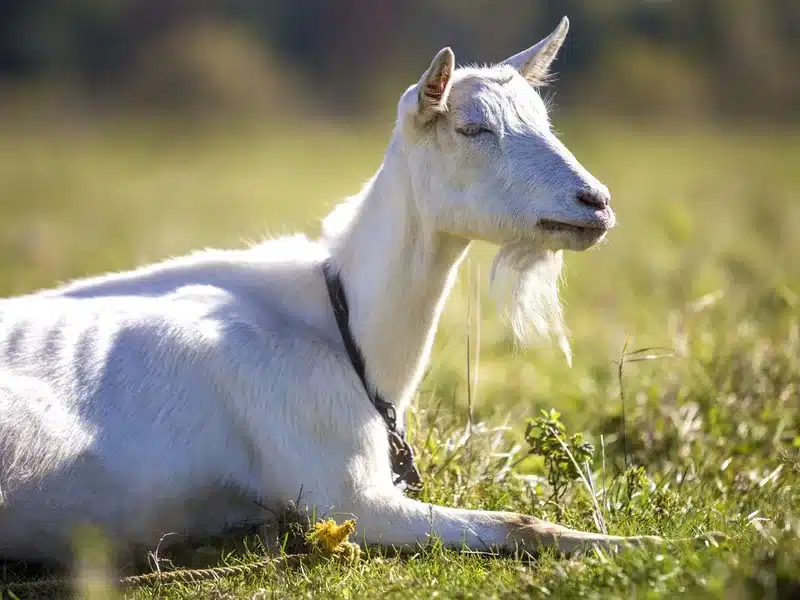
| Saanen | Switzerland | Dairy | 3–8 | 3–8 L/day — highest milk producer, "Queen of Dairy Goats" |
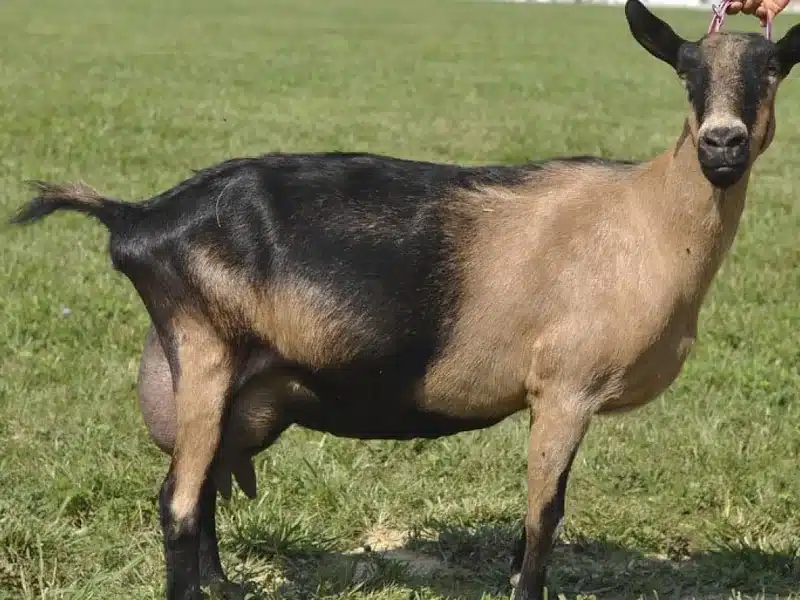
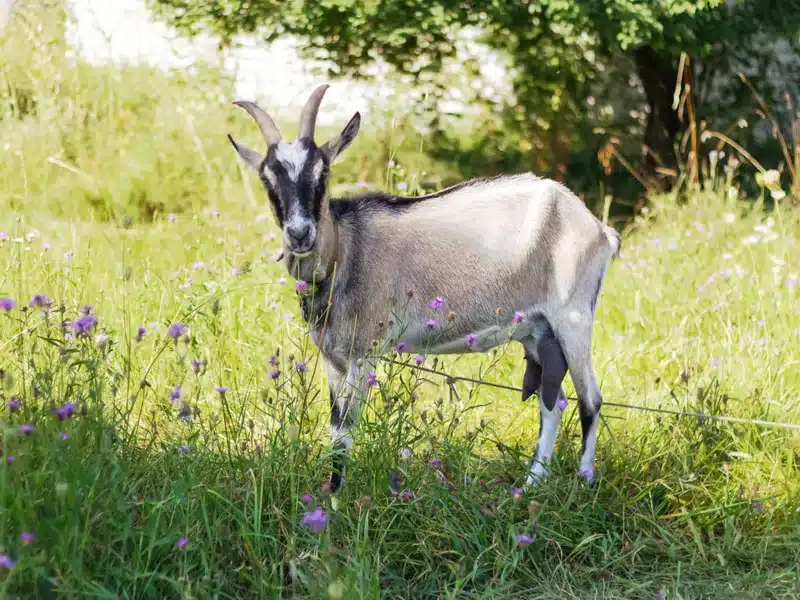
| Alpine | France / Switzerland | Dairy | 4–5 | 4–5 L/day, 3–4% butterfat |
| Toggenburg | Switzerland | Dairy | 3–4 | 3–4 L/day — oldest registered dairy breed |
| LaMancha | USA (Spanish origin) | Dairy | Up to 4 | Up to 4 L/day, distinctive tiny ears |
| Anglo-Nubian | England | Dairy (dual) | — | >4% butterfat — excellent for cheese |
| Boer | South Africa | Meat | — | World's best-known meat breed — fast growth |
| Spanish (Brush Goat) | Spain | Meat | — | Extremely hardy — meat & brush clearing |
| Damascus | Syria | Meat / Dairy | — | Rapid growth, arid-climate adapted |
| Angora | Turkey | Fiber | — | 4–5 kg mohair/year — lustrous, durable |
| Orenburg | Kazakhstan | Fiber | — | 16-micron cashmere undercoat |
| Nigerian Dwarf | West Africa | Specialty / Dairy | — | Miniature breed, high butterfat |
| Arapawa | New Zealand | Specialty / Heritage | — | Rare heritage conservation breed |
How to Choose the Right Exotic Breed
You have reliable feed and want maximum milk volume — Saanen, Alpine or Anglo-Nubian for commercial dairies.
You want fast turnaround and market weight quickly — Boer is the global benchmark for meat production.
You're building a niche textile business — Angora mohair and Orenburg cashmere command premium prices.
Keep in mind: exotic breeds generally out-yield native breeds but need better shelter, cooler housing and richer feed to stay healthy in Indian summers. If climate-hardiness and low input cost matter more than peak yield, start with an Indian breed and consider crossbreeding once your setup is proven.
Not sure which breed suits your farm?
Talk to a goat farming expert or run the numbers on our free profit calculator before you commit.