
Farm planning files, ready to print. Vaccination, deworming, shed, feeding and records - in 8 languages.Browse downloads
India’s Most Trusted Goat Farming Knowledge Hub Mon – Sat: 9:00 AM – 6:00 PM
Jhakrana Goat
INDIAN BREED · DAIRY

Jhakrana Goat

Jhakrana Goat
Share: fWX

Quick Facts

📍OriginAlwar, Rajasthan
🐐Breed TypeDairy (also Meat)
⚖️Weight45–55 kg
📏Height75–85 cm
🥛Milk Production1.5–2.5 L/day
📅Life Span12–15 yrs
🌦️ClimateSemi-arid

Breed Overview

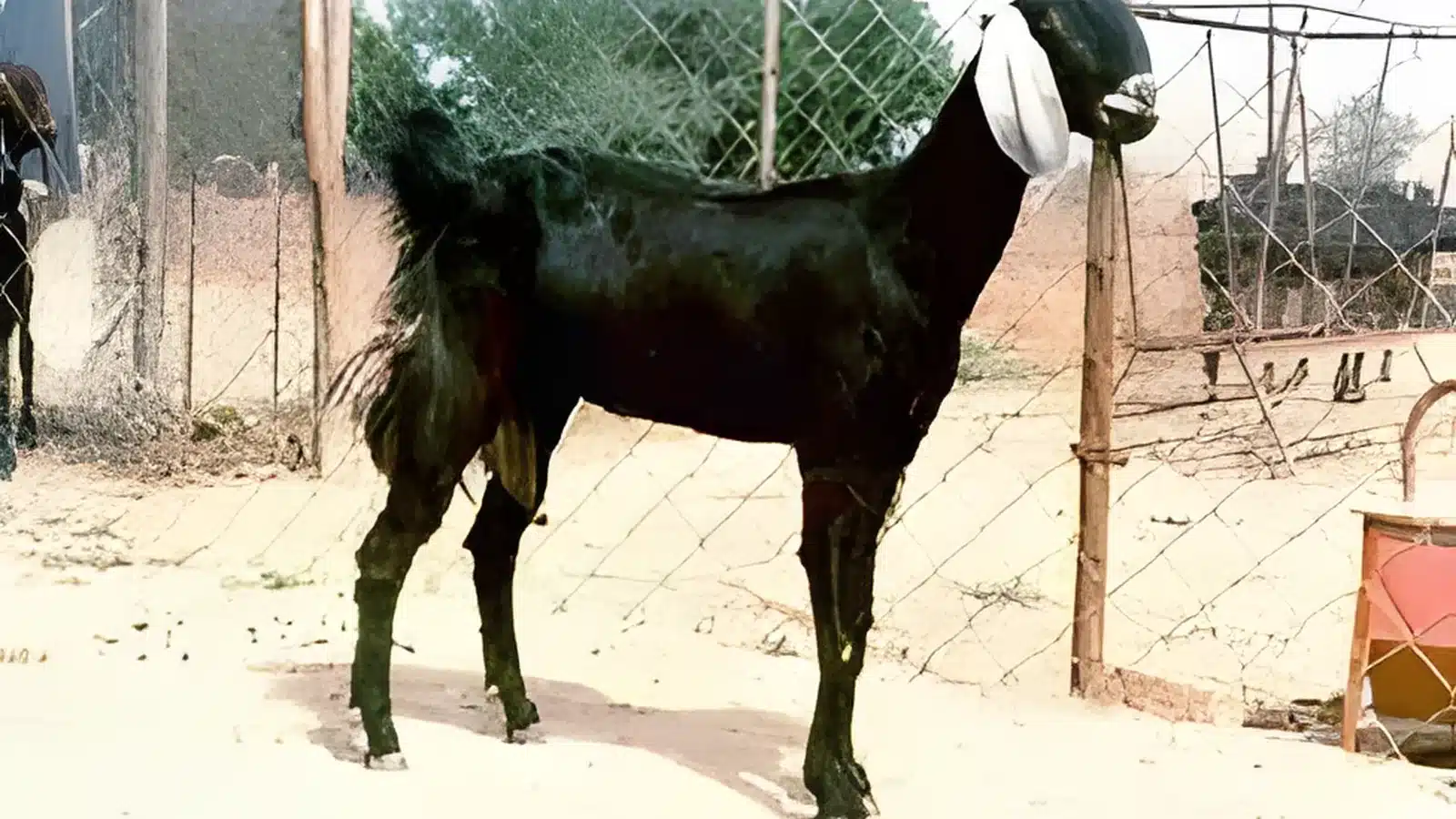
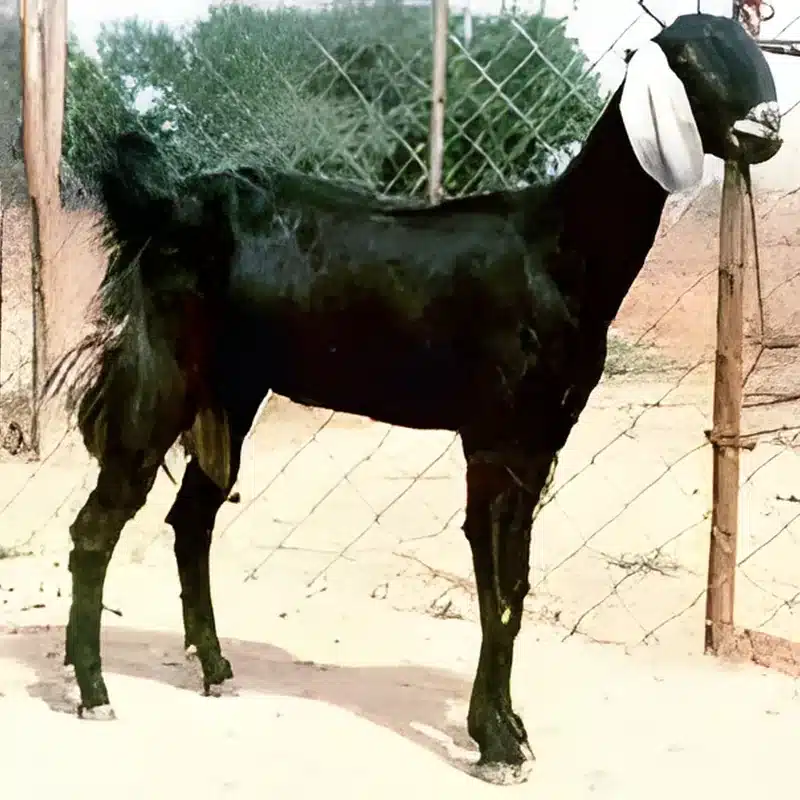
The Jhakrana is a large dairy breed from the Jhakrana village of Alwar district, Rajasthan. Predominantly black with white spots on the ears and muzzle, it closely resembles the Beetal but is taller and heavier, and is prized as one of Rajasthan's best milk-producing goats.

With its long drooping ears, slightly Roman nose and tall, deep-bodied frame, the Jhakrana is valued for reliable dairy performance in dry conditions and is a strong choice for commercial milk production and for improving local stock.

Key Characteristics
  • Predominantly black with white spots on ears and muzzle
  • Large, tall, deep-bodied dairy frame
  • Long, flat drooping ears and slightly Roman nose
  • Resembles a larger, heavier Beetal

🐐Physical Characteristics

A large dairy breed, mostly black with characteristic white spots on the ears and muzzle. It has long pendulous ears, a slightly convex Roman nose and a tall, deep frame — like a bigger, heavier Beetal.

🥛Milk Production

A strong dairy yield of 1.5–2.5 litres/day over a lactation of about 180 days, placing it among Rajasthan's best milking goats and well-suited to commercial dairying.

🌦️Climate Suitability

Well-adapted to the semi-arid climate of Alwar and eastern Rajasthan. Tolerates dry heat well and performs reliably under grazing supplemented with stall feeding.

🌾Feeding Requirements

A large breed needing about 4 kg green fodder plus 400–500 g concentrate per adult daily for peak milk. Responds strongly to good nutrition with higher yield.

Advantages & Disadvantages

✓ Advantages
One of Rajasthan's best dairy breeds
Large frame gives good meat value too
Well-adapted to semi-arid conditions
Reliable milk yield and calm temperament
✗ Disadvantages
Needs good feed to sustain milk yield
Mostly single or twin kids
Large frame needs adequate housing space

Tips for Beginners

1
Buy from certified breeders
Insist on documented lineage and a health card to guarantee purebred, disease-free stock.
2
Build raised, airy housing
A dry, well-ventilated shed with slatted flooring prevents hoof rot and respiratory disease.
3
Vaccinate on schedule
Follow the PPR, ET and FMD schedule from day one — prevention is far cheaper than treatment.
4
Balance the ration
Combine green fodder with a mineral-rich concentrate to sustain healthy growth and milk yield.
5
Start small, scale steadily
Begin with 5–10 does and one quality buck; expand only once you master routine management.

Frequently Asked Questions

A healthy Jhakrana doe yields about 1.5–2.5 litres a day over a lactation of around 180 days, making it one of the best dairy breeds of Rajasthan.
The Jhakrana closely resembles the Beetal but is taller and heavier, and is typically black with white spots on the ears and muzzle. Both are Roman-nosed, long-eared dairy breeds.
From Jhakrana village in the Alwar district of eastern Rajasthan, where it has been developed as a large, reliable dairy breed suited to semi-arid conditions.

Interested in starting with Jhakrana goats?

Talk to our team for a personalised farm plan, or reach out with any questions about getting started.

Related Breeds

View All Breeds →