Black Bengal Goat
The Black Bengal is the pride of eastern India — reared across West Bengal, Bihar, Odisha, Assam and Bangladesh. Small, sturdy and jet-black, it is prized above all for the finest goat meat (chevon)…
Breed Overview
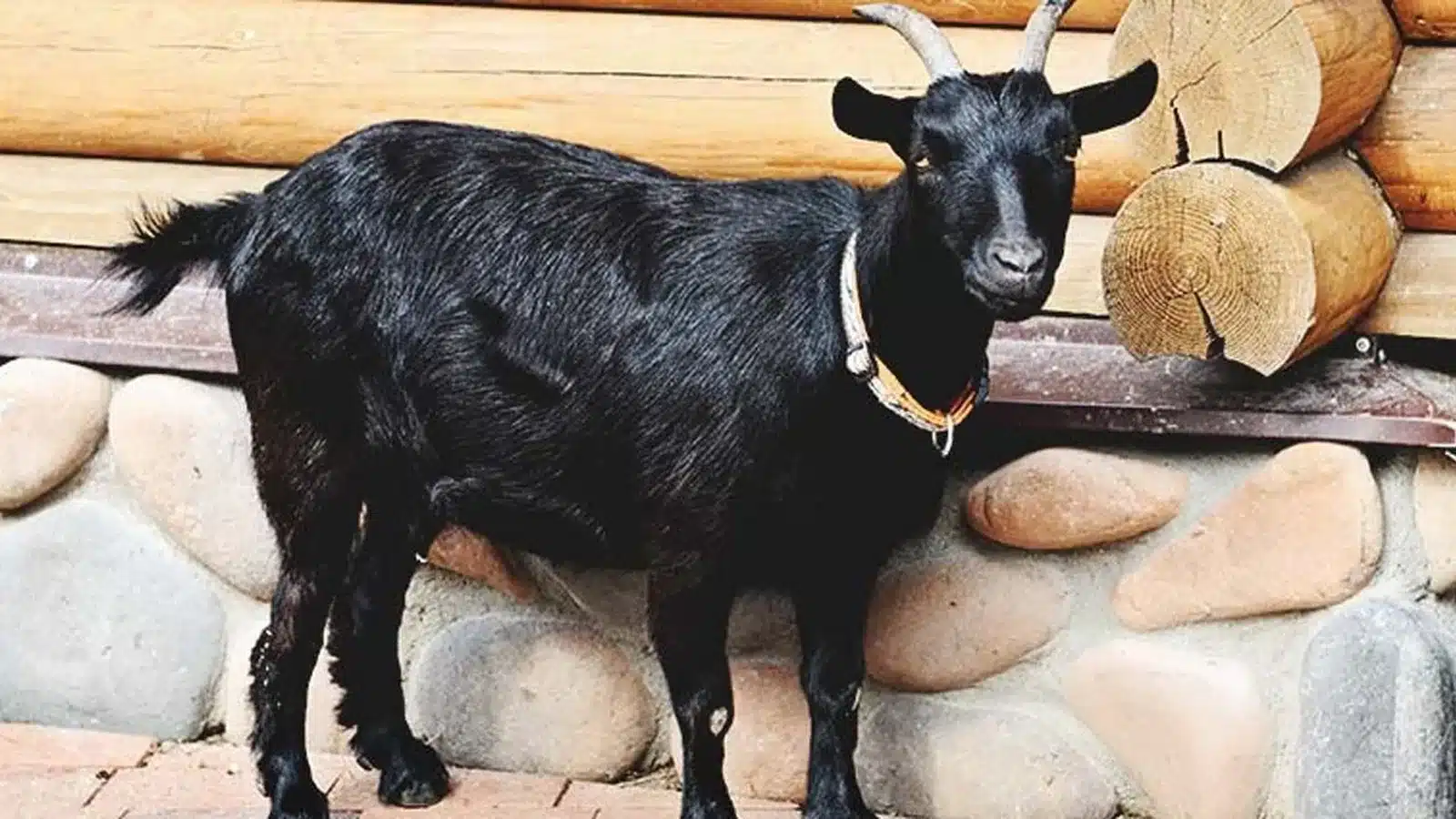
The Black Bengal is the pride of eastern India — reared across West Bengal, Bihar, Odisha, Assam and Bangladesh. Small, sturdy and jet-black, it is prized above all for the finest goat meat (chevon) in the country and for premium-quality skin used in high-end leather.
What it lacks in size it more than makes up for in prolificacy and hardiness — with frequent twins, some triplets and short kidding intervals (about 235 days on average in West Bengal farmer flocks, roughly three kiddings in two years), thriving on minimal inputs, and resisting the diseases of hot, humid climates.
Key benefits of the Black Bengal Goat
- Finest-quality chevon — premium meat demand
- World-famous skin, prized for soft leather
- Extremely prolific — frequent twins, about three kiddings in two years
- Very hardy and cheap to feed on marginal inputs
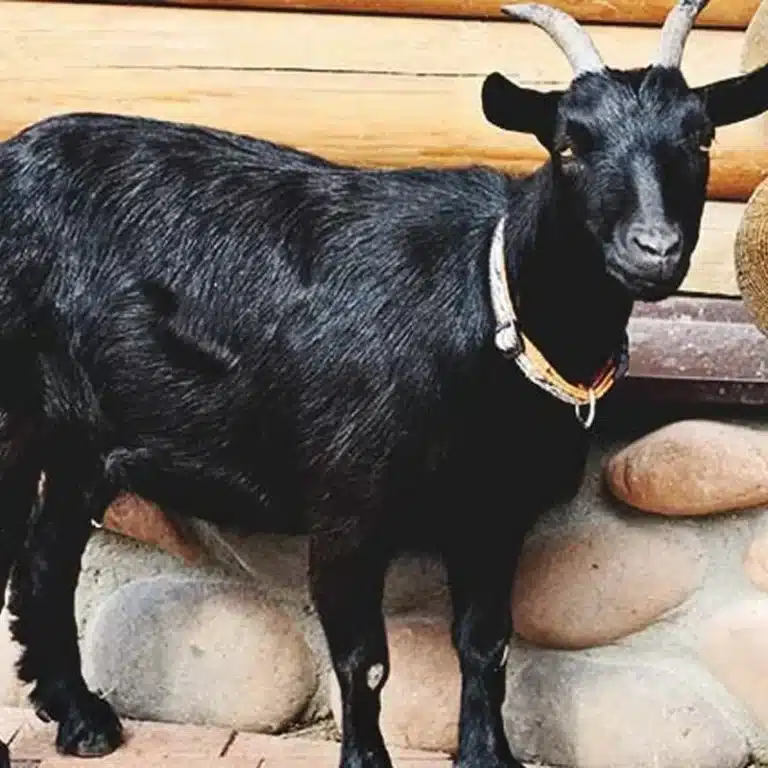
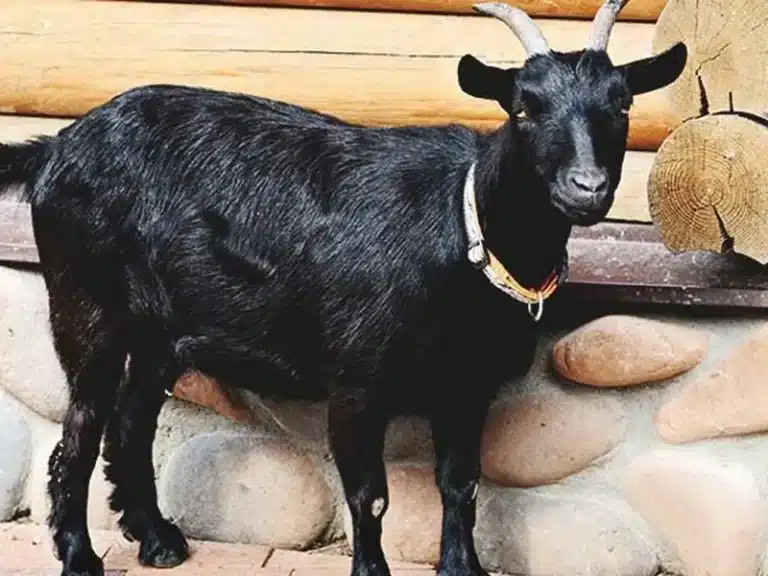
- Small, compact body, usually jet black (also brown, grey, white)
- Short legs and short, glossy coat
- Small backward-curving horns and short ears
- Exceptionally prolific — frequent twins, some triplets
🐐Physical Characteristics
A small, dwarf-like breed with short legs and a deep, compact body. Predominantly black, though brown, grey and white animals occur. Short glossy hair, small pointed ears and small horns curving backward in both sexes.
🥛Milk Production
A modest yield of about 58 kg over a lactation of about 120 days (roughly 0.5 kg a day) — enough only to raise its kids, as this is a meat-and-skin breed rather than a dairy animal. Does are excellent mothers with good milk for their litter.
🌦️Climate Suitability
Superbly adapted to the hot, humid tropics of eastern India. Highly disease- and parasite-resistant, it thrives on marginal grazing, household scraps and roadside browse with minimal shelter.
🌾Feeding Requirements
One of the most economical breeds — subsists largely on grazing, tree leaves and kitchen waste, with a little concentrate for breeding does. Very low feed cost makes it ideal for landless and marginal farmers.
Advantages & Disadvantages
Tips for Beginners
Frequently Asked Questions
Sources
Black Bengal data: FAO, Sheep and goat breeds of India — Bengal (distribution, body weight and height by region, milk yield, litter size); Niang et al. (2021), Indian Journal of Animal Sciences 91(5): reproduction of Black Bengal goats in West Bengal (kidding interval, litter size). Figures are breed averages; individual animals vary with feeding and management. Checked November 2026.