Quick Facts
Breed Overview
The Kiko goat is a hardy meat breed developed in New Zealand in the 1980s, when tough local feral goats were crossed with dairy bucks and then selected hard, generation after generation, purely for fast growth and survival on rough hill country with minimal inputs. Its name comes from a Māori word for meat, and it is now well established as a low-input meat breed, especially in the United States.
Prized for its parasite resistance, easy kidding and ability to grow on cheap forage, the Kiko excels in extensive, low-input systems. Its heat tolerance and toughness suit it to Indian grazing conditions in principle, but it remains rare and hard to source in India — Boer is the imported meat breed most Indian farmers actually use, so treat the Kiko mainly as a reference and crossbreeding-interest breed here.
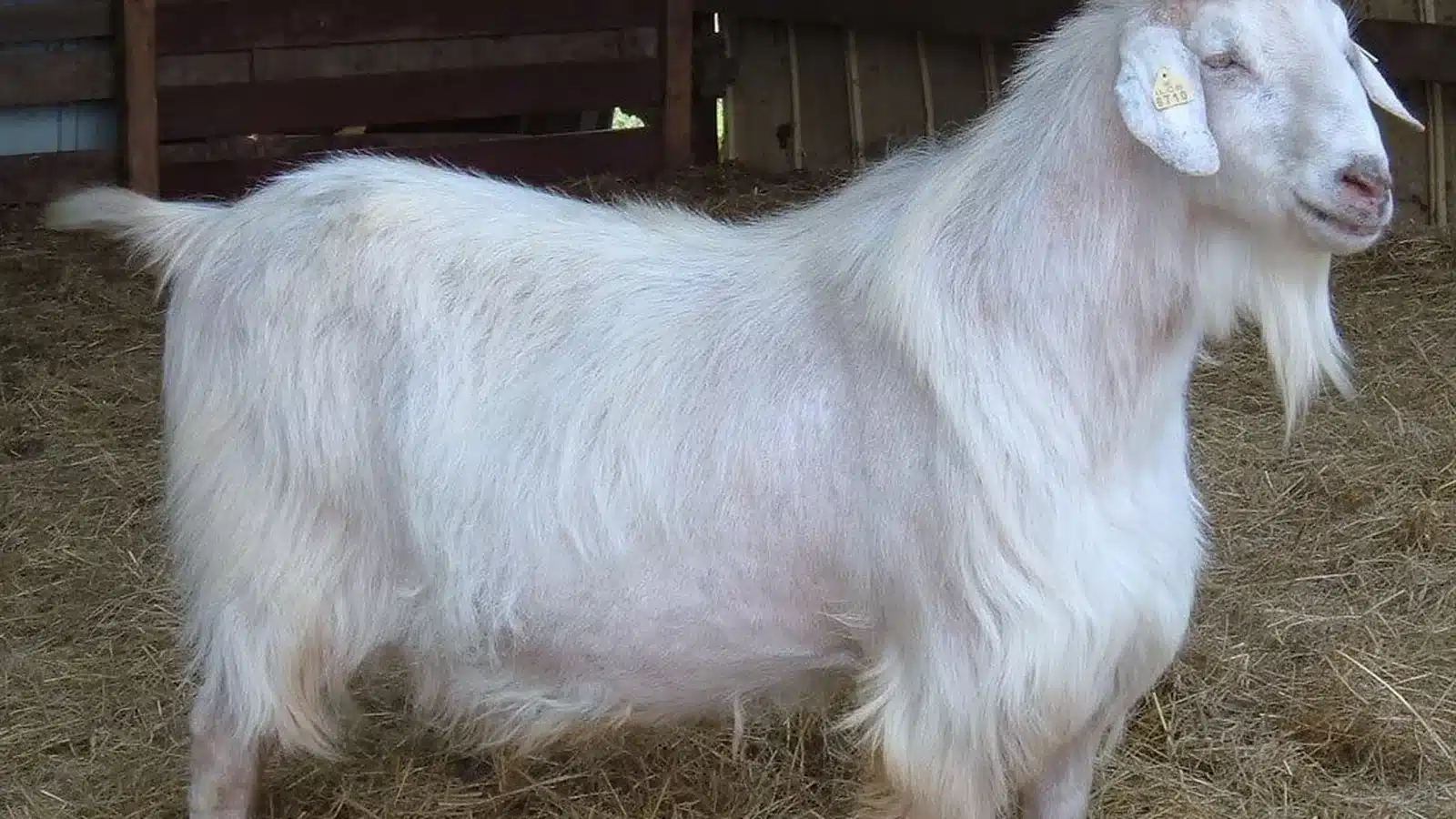
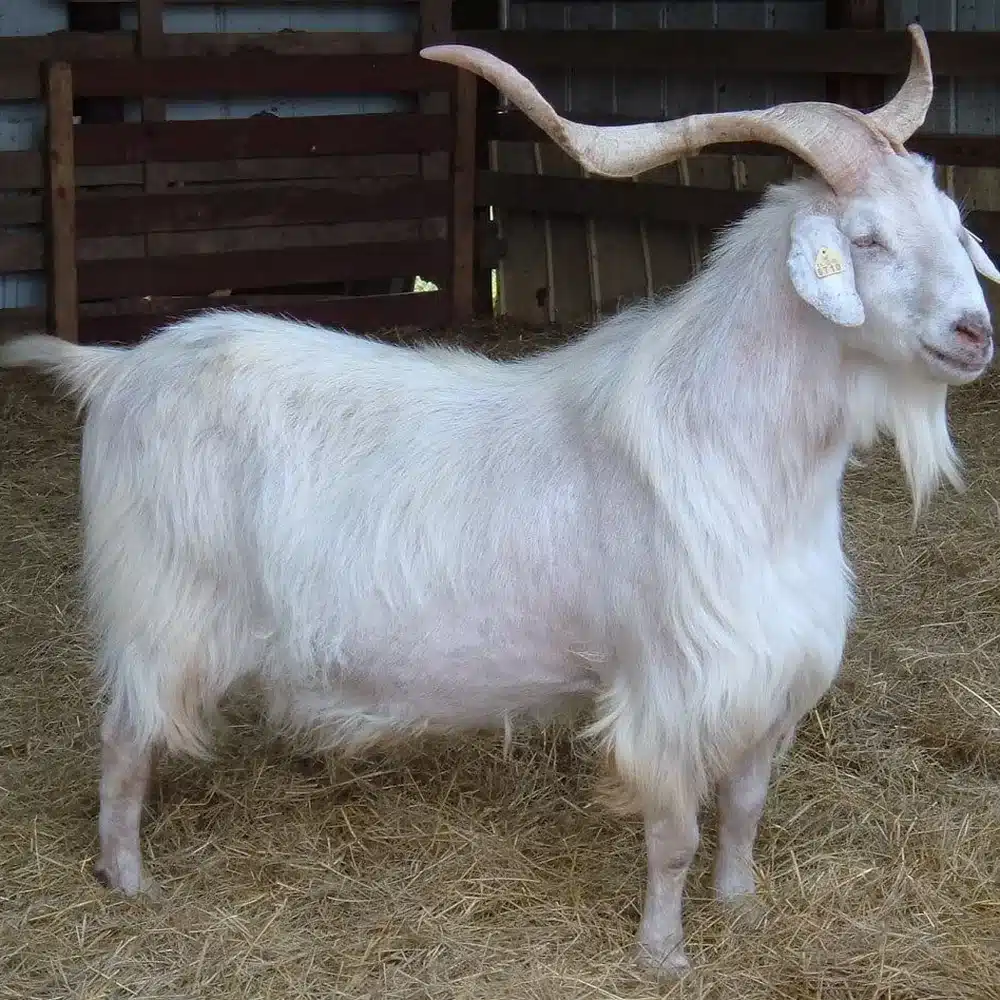
- Mostly white/cream, but occurs in almost any colour
- Large, muscular frame with wide-sweeping horns and tough hooves
- Strong natural parasite resistance and hardiness
- Fast, forage-based growth with excellent, easy mothering
🐐Physical Characteristics
A large, deep-bodied, muscular goat with strong legs and hard hooves. Coat is usually white but any colour occurs; both sexes are typically horned, with bucks carrying wide, sweeping horns. Ears are medium and mostly erect — not long and pendulous.
🥛Milk Production
Low — the Kiko is purely a meat breed. Does milk only enough to raise fast-growing kids, so it is not kept for dairy.
🌦️Climate Suitability
Bred to survive on rough New Zealand hill country, the Kiko is exceptionally hardy and adapts to both cold-humid and hot conditions, needing little shelter or intervention — traits that suit Indian grazing systems in principle.
🌾Feeding Requirements
An efficient forager and browser with good feed conversion, the Kiko grows well on pasture, browse and low-quality forage with minimal concentrate — a key reason it is prized as a low-cost meat goat.