Goat Fibre: Pashmina & Mohair
The Pashmina behind a genuine Kashmir shawl comes from a goat — which goats make which fibre, how it is harvested, and where fibre fits in India.
Some goats grow fibre worth far more than their meat — the Pashmina behind a genuine Kashmir shawl comes from a goat. Fibre is a specialised, high-value niche rather than a mainstream option, but it is a fascinating part of the goat-products world. This guide explains which goats make which fibre, how it is harvested, and where it fits in India.
Which goat, which fibre
| Fibre | Goat | Character |
|---|---|---|
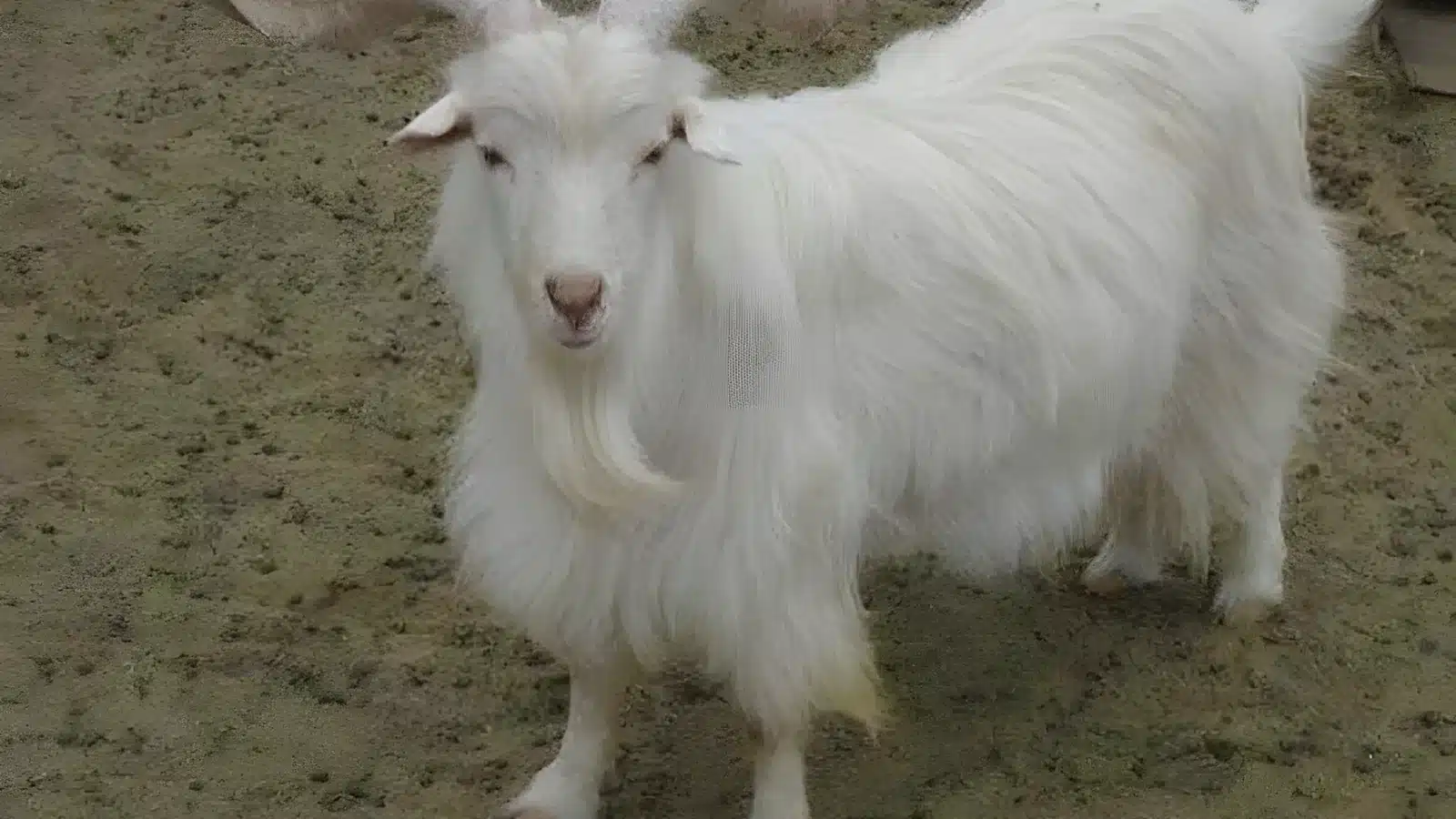
| Pashmina (cashmere) | Changthangi / Changra goat of Ladakh | Ultra-fine, soft winter undercoat |
| Mohair | Angora goat | Long, lustrous fibre |
Pashmina is the undercoat
Pashmina is the fine, soft winter undercoat — not the coarse outer guard hair. It is combed out during the spring moult, when the goat naturally sheds, rather than sheared. Coarser fibres and mohair are usually sheared.
Fineness and yield
- Pashmina is exceptionally fine — generally around 12–16 microns, finer than ordinary cashmere and far finer than sheep wool.
- Yield is tiny: roughly 80–200 g of usable Pashmina per goat per year — often about what a single shawl needs after cleaning. This is why genuine Pashmina is costly.
India, Ladakh & the GI tag
Ladakh is India’s main source of raw Pashmina, which is then spun and woven largely in Kashmir. “Kashmir Pashmina” holds a Geographical Indication (GI) tag, and GI-certified Pashmina carries a mark verifying its authenticity — a genuine quality and branding advantage.
Key takeaways
- Pashmina comes from the Changthangi goat; mohair from the Angora goat.
- Pashmina is the fine undercoat, combed out in spring — not sheared.
- Yields are tiny (~80–200 g/goat/year), which is why it is so valuable.
- Fibre is a high-altitude regional niche, not a mainstream option for most Indian farms.