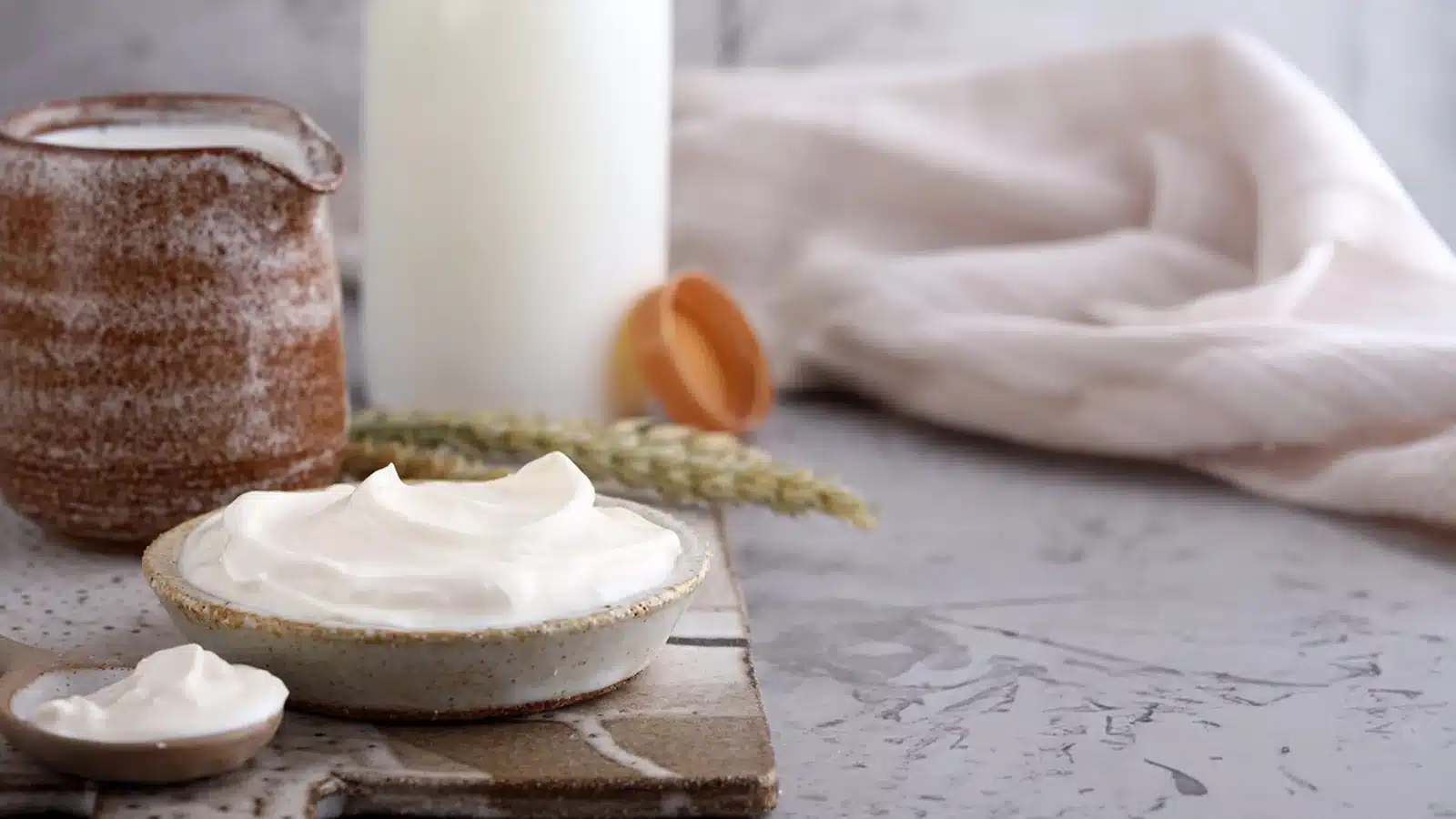

Goat Milk Yogurt: How to Make It at Home
A simple, reliable method for setting smooth, probiotic-rich yogurt from fresh goat milk — plus how to make it thicker and sell it safely.
Goat milk yogurt — a fresh, probiotic-rich dahi made from goat milk — is one of the simplest value-added dairy products to make at home. It sets naturally with a live culture, needs no special machinery, and turns everyday milk into a product that keeps longer and sells at a premium. This guide walks through the method, plus how to get a thicker set from goat milk.
Why goat milk yogurt
- Naturally rich in probiotics that support gut health.
- Often easier to digest than cow-milk yogurt for people sensitive to A1 protein or lactose.
- Adds value: surplus milk becomes a storable, sellable product.
- Low start-up cost — a pot, a thermometer and a warm spot are enough to begin.
What you need
- Fresh goat milk from healthy does
- A live yogurt starter — either a spoon of plain live-culture yogurt, or a commercial culture
- A clean pot, a thermometer, and clean setting jars or a container
- A warm, undisturbed place to incubate (an oven with the light on, a thermos, or a covered warm spot)
Step by step
- Heat the milk gently to about 82–85°C (just before boiling), stirring so it does not scorch. This improves the set and makes the yogurt safer.
- Cool to roughly 42–45°C — warm to the touch but not hot. Too hot will kill the culture.
- Add the starter: stir a small amount of live yogurt (about a tablespoon per litre) into the warm milk until fully mixed.
- Incubate: pour into clean jars, cover, and keep warm and still for about 6–8 hours (longer gives a tangier, firmer result).
- Chill: once set, refrigerate for a few hours before eating. Cooling firms it up and stops fermentation.
Getting a thicker set
Goat milk is naturally lower in the protein that makes cow-milk yogurt firm, so it often sets softer. To thicken it:
- Heat and hold the milk a little longer before culturing.
- Stir in a little milk powder before heating for a firmer body.
- Strain the finished yogurt through a clean cloth for a thick, Greek-style curd.
Flavour and variations
Serve plain as dahi, whisk into a lassi or chaas, strain into hung curd for dips, or fold in honey, fruit or a little jaggery once set. Add flavourings after the yogurt has set, not before, so they do not interfere with culturing.
Storage
Keep refrigerated and use within about 5–7 days. Always use clean, dry spoons to avoid introducing spoilage. Discard any batch that smells off, turns pink, or grows mould.
Selling it
Fresh yogurt is a strong local seller — dairies, health-food buyers and neighbours all buy it. Because it is a short shelf-life dairy food, hygiene and cold storage are essential, and food-safety registration applies once you sell.
Key takeaways
- Heat milk to ~85°C, cool to ~44°C, add live culture, incubate 6–8 hours, then chill.
- Goat milk sets softer — strain or add milk powder for a thicker curd.
- Save a spoonful as starter for the next batch.
- Refrigerate, use within a week, and register with FSSAI before selling.