
Farm planning files, ready to print. Vaccination, deworming, shed, feeding and records - in 8 languages.Browse downloads
India’s Most Trusted Goat Farming Knowledge Hub Mon – Sat: 9:00 AM – 6:00 PM
Toggenburg Goat
EXOTIC BREED · DAIRY

Toggenburg Goat

Toggenburg Goat
Share: fWX

Quick Facts

📍OriginSwitzerland
🐐Breed TypeDairy
⚖️Weight45–75 kg
📏Height70–85 cm
🥛Milk Production2–3 L/day
📅Life Span12–15 yrs
🌦️ClimateCool / Temperate

Breed Overview

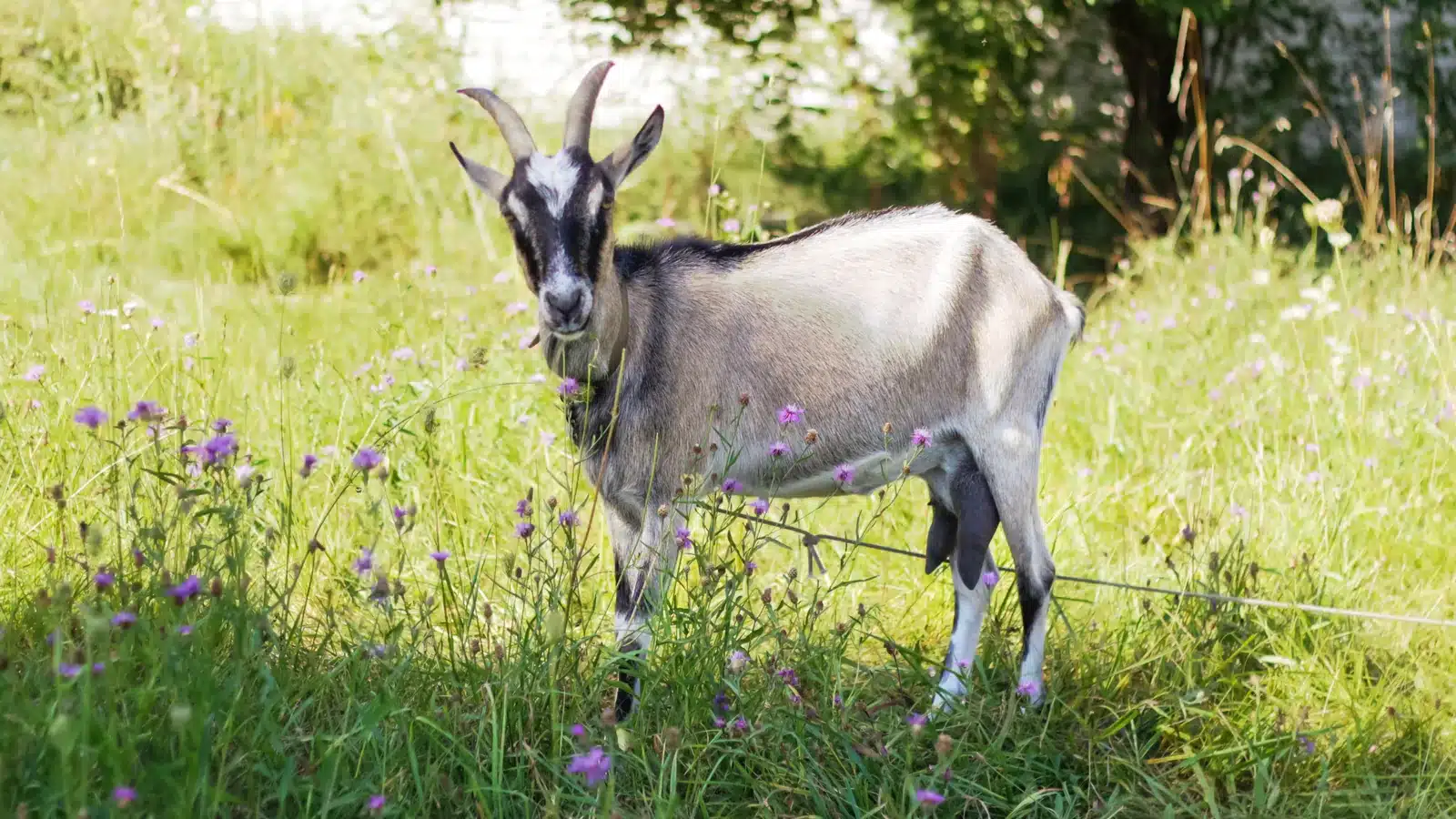
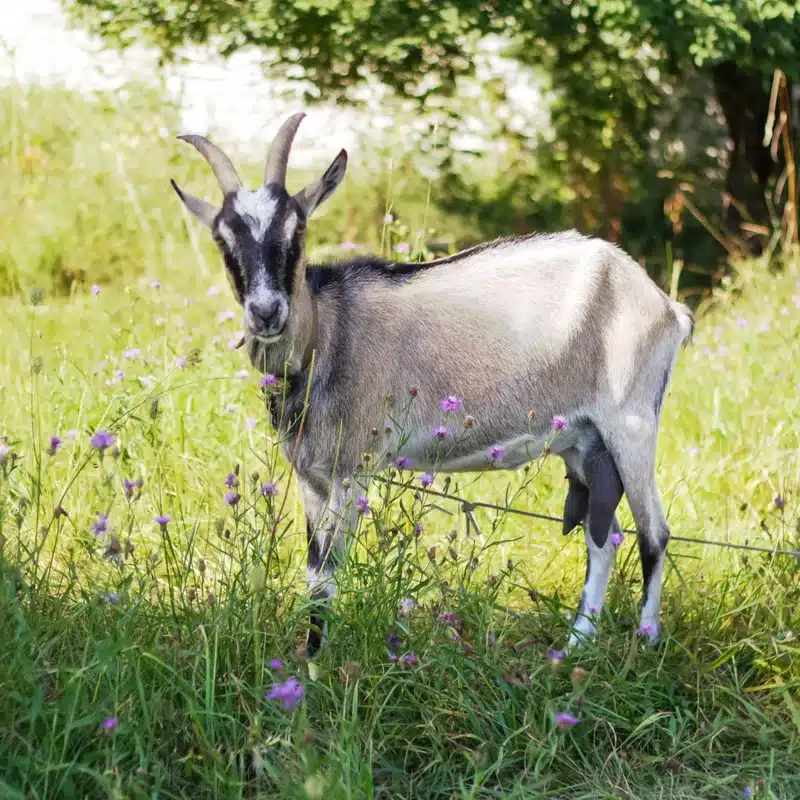
The Toggenburg is the oldest registered dairy goat breed in the world, from the Toggenburg valley of Switzerland. Instantly recognisable by its brown coat with crisp white facial stripes, ears and legs, it is a hardy, reliable milker valued for consistent yield and good milk quality.

More robust and adaptable than some other Alpine dairy breeds, the Toggenburg is used in India to improve the milk performance of local goats, performing best in cooler, temperate regions and well-managed sheds.

Key Characteristics
  • Brown coat with white facial stripes, ears and legs
  • Medium-large, sturdy dairy frame
  • Erect ears and a straight or dished face
  • Consistent milk yield and good milk quality

🐐Physical Characteristics

A medium-large dairy breed with a distinctive light-to-dark brown coat marked by white stripes down the face, white ears, legs and rump. It has erect ears, a straight face and a sturdy, well-attached udder.

🥛Milk Production

A reliable 2–3 litres/day over a long lactation, with good milk quality — a dependable dairy performer well above indigenous yields.

🌦Climate Suitability

A cool, temperate-climate breed that does best in Indian hill regions or well-ventilated, shaded sheds. More adaptable than some Alpine breeds but still needs protection from extreme heat.

🌾Feeding Requirements

Needs about 4–5 kg green fodder plus 500–700 g concentrate per adult daily to sustain milk yield. Responds well to balanced, quality nutrition.

Advantages & Disadvantages

✓ Advantages
Oldest registered dairy breed — proven, consistent milker
Hardy and adaptable for an Alpine dairy breed
Improves local goats' milk when crossbred
Good milk quality and long lactations
✗ Disadvantages
Heat-sensitive — best in cooler regions
Higher feed and management needs
Purebred stock limited and costly in India

Tips for Beginners

1
Buy from certified breeders
Insist on documented lineage and a health card to guarantee purebred, disease-free stock.
2
Build raised, airy housing
A dry, well-ventilated shed with slatted flooring prevents hoof rot and respiratory disease.
3
Vaccinate on schedule
Follow the PPR, ET and FMD schedule from day one — prevention is far cheaper than treatment.
4
Balance the ration
Combine green fodder with a mineral-rich concentrate to sustain healthy growth and milk yield.
5
Start small, scale steadily
Begin with 5–10 does and one quality buck; expand only once you master routine management.

Frequently Asked Questions

A Toggenburg doe yields about 2–3 litres a day over a long lactation, with good milk quality — a consistent, dependable dairy performer well above indigenous Indian breeds.
It has a distinctive brown coat with crisp white stripes down the face, plus white ears, legs and rump — one of the most recognisable of all dairy goat breeds.
Yes, with good management. As a cool-climate breed it does best in hill regions or shaded, well-ventilated sheds, and is valued for crossbreeding to improve the milk yield of local goats.

Interested in starting with Toggenburg goats?

Talk to our team for a personalised farm plan, or reach out with any questions about getting started.

Related Breeds

View All Breeds →