
Business & Economics
How Much Does It Cost to Start a 10-Goat Farm?
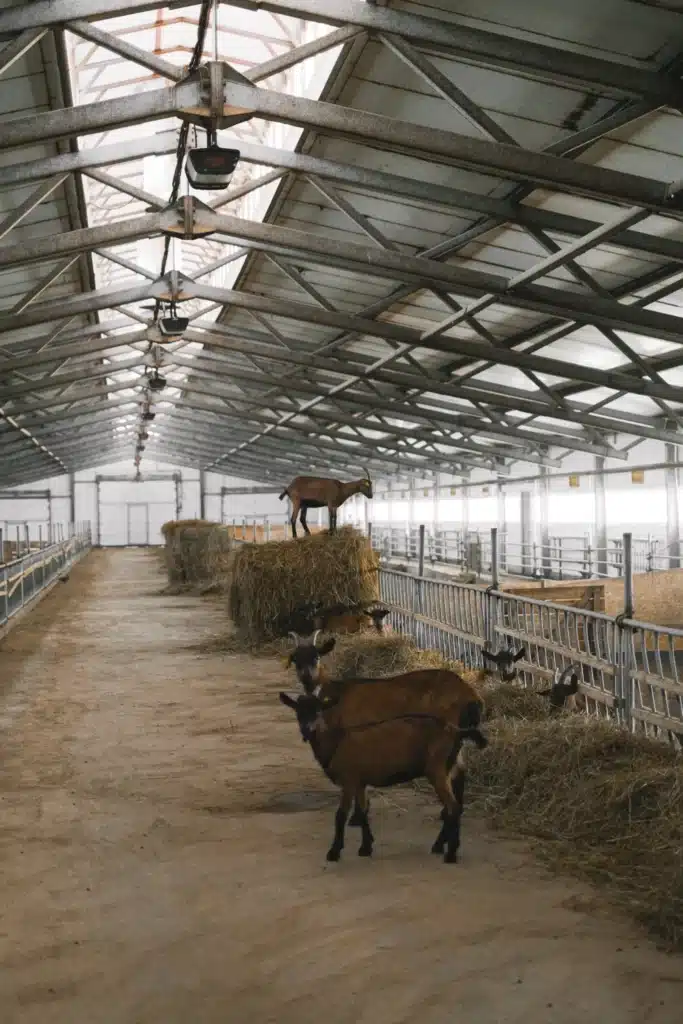
Before you buy a single goat, it pays to map out what a small starter farm really costs — housing, stock, feed and a contingency buffer. Here’s how to build that picture for a 10-goat unit.
Why Plan Before You Buy
Most new farmers underestimate running costs and overestimate first-year returns. Mapping your investment and running costs upfront — even roughly — helps you avoid cash-flow surprises in the first year, and gives you real numbers to take to a bank or subsidy office.
💡 Pro Tip
Always budget a contingency of at least 15–20% on top of your planned costs — feed prices and unplanned vet visits are the two most common overruns.
Planning Your Budget
1
Estimate herd cost
Price 10 does plus a buck from a certified breeder in your region.
2
Plan housing
Budget for a basic raised shed sized for your herd — this is usually the biggest one-time cost.
3
Budget feed
Estimate green and dry fodder plus concentrate costs for a full year.
4
Set aside a contingency
Add 15–20% on top for unplanned vet bills or feed price swings.
5
Track toward break-even
Record actual income and costs monthly to see when you cross into profit.
Illustrative Cost Snapshot
Illustrative only — actual figures vary by region, breed and market. Use the Profit Calculator for numbers specific to your farm.
Common Mistakes to Avoid
- Ignoring running costs and budgeting only for the initial stock purchase.
- Skipping a contingency buffer for feed price swings or vet bills.
- Scaling to a large herd before proving the model on a small batch.
Financing Your Start
- Check NABARD-linked loans and state subsidy schemes before self-funding everything.
- Prepare a simple project report — most schemes and banks ask for one.
- Track actuals against your budget from day one to refine future projections.
🔑 Key Takeaways
- Map housing, stock, feed and contingency costs before you buy a single goat.
- Budget at least 15–20% extra for feed price swings and vet bills.
- Check government schemes and loans before committing personal capital.
- Start with a small unit and use real numbers to plan any expansion.
GI
Team GoatIndia
GoatIndia Editorial
Prepared by the GoatIndia editorial team from vetted sources including ICAR-CIRG, NBAGR and state veterinary universities. Contact us →
Frequently Asked Questions
Costing out your goat farm?
Run your own numbers with our free Profit Calculator, or ask our team to sanity-check your starter budget.
Related Articles
Don’t miss similar guides
Get practical goat-farming guides delivered every week.