

Premium Goat Wool Clothing Production
Master the art of cashmere, mohair, and pashmina fiber production from traditional Indian goat breeds. From harvesting to finished textiles, discover sustainable wool farming techniques.
Goat Fiber Production in India
Comprehensive Wool Production Guide
Cashmere Goats
Native to Kashmir region, these goats produce the finest and most expensive wool globally. Hair diameter ranges from 14-19 microns, creating exceptionally soft textiles. Annual yield averages 150-300 grams per goat during spring molting.
Mohair Production
Angora goats produce mohair fiber with unique wavy texture and excellent dye absorption. Found primarily in Karnataka, Andhra Pradesh, and Tamil Nadu. Annual yield reaches 3-5 kg per goat with bi-annual shearing.
Cashgora Hybrids
Cross between Cashmere and Angora breeds, offering hardy animals with soft, warm fleece. Available in multiple colors and provide excellent alternative to traditional fibers for diverse climate conditions.
Pashmina Excellence
Changthangi goats from Ladakh’s high altitude produce the world’s finest pashmina. Fiber diameter of 12-16 microns and limited annual yield of 80-170 grams makes this the most precious natural fiber.
Regional Specialization
Each region of India produces unique fiber characteristics based on climate, altitude, and traditional breeding practices. Kashmir excels in pashmina, Rajasthan and Gujarat in cashmere variants, while southern states focus on mohair production.
Traditional Combing Method
Metal combs separate fine undercoat (pashm) from coarser guard hairs. Skilled workers process 80-120 grams of raw fiber daily during spring molting season. Gentle technique preserves fiber integrity and quality.
Optimal Timing
Spring molting period (March-May) provides best fiber quality. Harvest during cool morning hours when goats are calm. Timing affects fiber length, strength, and overall textile value.
Shearing Schedule
Angora and Pygora goats require bi-annual shearing – spring and autumn. Each session yields 4-6 kg of mohair fiber. Proper timing ensures animal welfare and optimal fiber production.
Collection Standards
Clean collection areas prevent contamination. Sort fibers immediately by color, length, and fineness. Proper storage in breathable containers maintains quality until processing.
Animal Welfare Priority
Ethical harvesting practices ensure animal comfort and sustainable production. Never rush the process – gentle handling maintains both animal welfare and premium fiber quality.
Cleaning Process
Multiple cleaning stages using natural detergents and spring water remove lanolin and debris. Industrial processes may use alkali treatments or carbonization for large-scale operations.
Sorting & Grading
Fibers sorted by color, length, fineness, and strength. Premium grades command higher market prices. Consistent grading standards ensure quality control throughout production chain.
Spinning Techniques
Traditional spinning wheels (charkhas) create consistent yarn thickness. Modern machinery enables large-scale production while maintaining fiber characteristics and strength.
Finishing Methods
Carding, combing, and drawing processes prepare yarn for textile production. Temperature and humidity control during processing affects final product quality and market value.
Micron Testing
Fiber diameter measurement determines grade classification. Cashmere below 19 microns qualifies as premium grade. Testing equipment ensures consistent quality standards.
Strength Assessment
Tensile strength testing prevents breakage during textile production. Proper nutrition and handling techniques maintain fiber strength throughout processing chain.
Color Consistency
Natural fiber colors range from white to brown. Consistent color batches improve market value. Separate processing by color maintains product uniformity.
Certification Standards
International quality certifications improve market access. Documentation of production methods, animal welfare, and environmental practices adds premium value.
Quality Assurance Protocol
Implement systematic testing at each production stage. Consistent quality control ensures premium market positioning and sustainable business development in competitive textile markets.
Advanced Production Techniques
Nutrition for Fiber Quality
High-protein diets enhance fiber production and quality. Supplement with minerals like copper and zinc for optimal hair growth. Pasture management affects fiber characteristics and annual yields.
Key nutrients: Protein 14-16%, copper 15-20 ppm, zinc 30-40 ppm, adequate vitamin A for hair follicle health.
Climate Adaptation
Cold stress stimulates undercoat production in cashmere goats. Altitude above 3,000 meters produces finest fibers. Temperature variations between seasons critical for premium fiber development.
Optimal conditions: Temperature range -10°C to 30°C, humidity 40-60%, adequate shelter during extreme weather.
Breeding for Fiber
Selective breeding improves fiber diameter, length, and yield. Genetic testing identifies superior breeding stock. Crossbreeding programs develop climate-adapted high-yield varieties.
Selection criteria: Fiber fineness, staple length, crimping quality, annual yield consistency, and disease resistance.
Value Addition Strategies
Direct marketing increases profit margins. Organic certification commands premium prices. Artisan partnerships preserve traditional techniques while accessing modern markets.
Market channels: Export markets, luxury brands, artisan cooperatives, eco-friendly textile manufacturers.
| Fiber Type | Diameter (microns) | Annual Yield | Primary Breeds | Market Value |
|---|---|---|---|---|
| Pashmina | 12-16 | 80-170g | Changthangi | Premium |
| Cashmere | 14-19 | 150-300g | Chegu, Local varieties | High |
| Mohair | 25-40 | 3-5kg | Angora | Moderate |
| Cashgora | 18-25 | 1-2kg | Hybrid varieties | Good |
Traditional Health Benefits
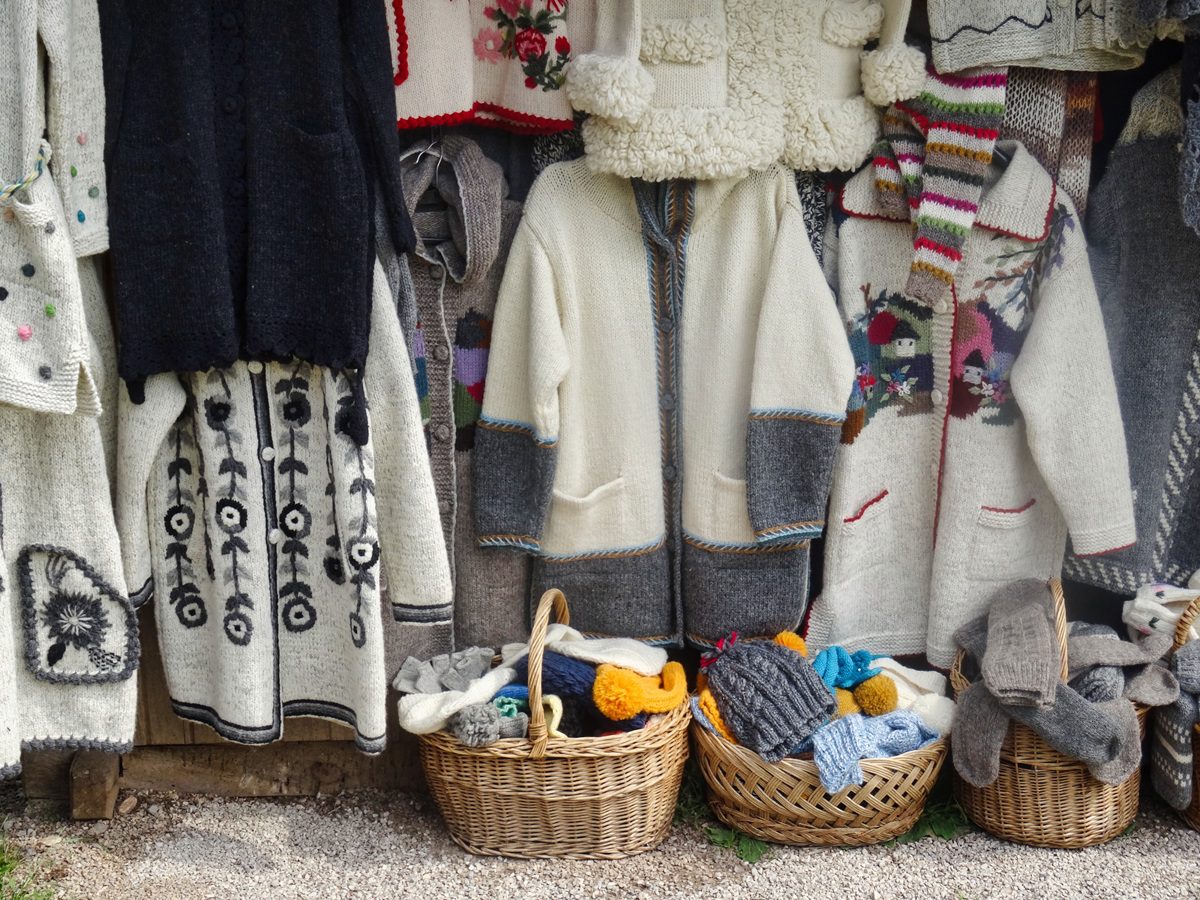
Goat wool clothing traditionally treats rheumatism, tonsillitis, and sciatica through gentle warmth therapy. Natural fiber properties provide thermal regulation without overheating. Low thermal conductivity offers year-round comfort.
Start Your Premium Fiber Production Journey
Transform your goat farming operation with high-value wool production. Learn traditional techniques combined with modern quality standards for sustainable textile farming.