

Goat Milk Guide
Complete production guide for nutritious, profitable goat milk farming in India with quality standards and processing techniques
Goat Milk Production Facts
Superior Nutritional Profile
Enhanced Mineral Content
Contains 13% more calcium, 134% more potassium, and 25% more vitamin B6 compared to cow milk, supporting bone health and metabolic functions in Indian diets.
Better Protein Quality
Superior amino acid composition with smaller fat globules that form softer curds, making it easier to digest for children and elderly consumers.
Health Benefits
Lower allergenicity, reduced lactose intolerance symptoms, and higher concentration of medium-chain fatty acids supporting better metabolism.
Therapeutic Properties
Natural prebiotics support gut health, while higher vitamin A content (47% more) enhances immunity and vision health in regular consumers.
Optimal Production Strategies
Breed Selection for India
Saanen and Alpine breeds yield 2.5-3.5L daily, while Jamunapari and Barbari adapt well to Indian climate with 1.5-2.5L production under proper management.
Nutrition Management
Balanced feeding with 60% roughage, 40% concentrate, adequate water supply, and mineral supplementation ensures optimal milk quality and quantity.
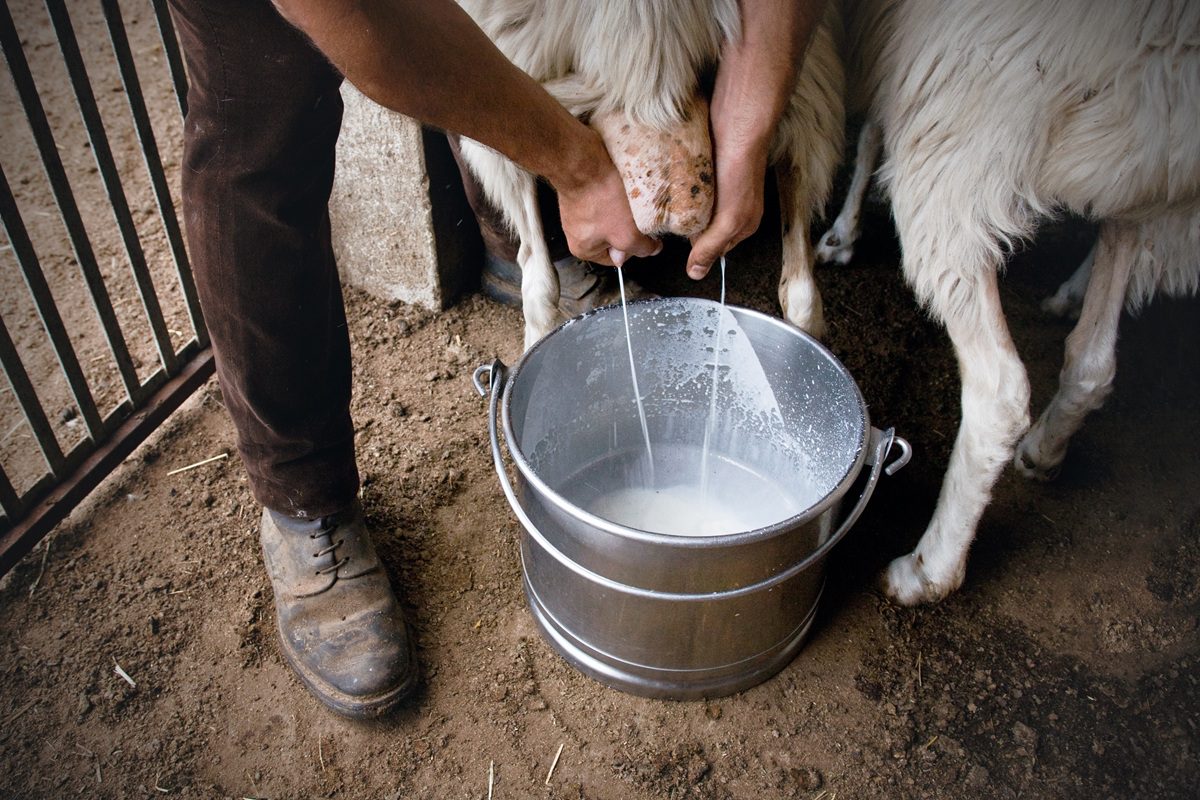
Milking Hygiene
Clean milking environment, pre and post-milking teat sanitization, and immediate cooling to 4°C maintains bacterial count below 1 lakh CFU/ml.
Health Monitoring
Regular veterinary checkups, vaccination schedules, and early disease detection ensure healthy lactating does and consistent milk production.
Value-Added Processing
Pasteurization Standards
Heat treatment at 63°C for 30 minutes (LTLT) or 72°C for 15 seconds (HTST) ensures safety while preserving nutritional quality and taste.
Cheese Production
Soft cheeses like paneer and ricotta utilize goat milk’s natural curd-forming properties, while aged cheeses develop unique flavors commanding premium prices.
Probiotic Products
Yogurt and kefir production using goat milk creates probiotic-rich products with better tolerance for lactose-sensitive consumers in urban markets.
Quality Control
Regular testing for fat content (3.5-4.5%), protein levels (3.1-3.7%), and bacterial counts ensures consistent product quality meeting FSSAI standards.
Commercial Opportunities
Premium Pricing
Goat milk commands ₹80-150 per liter in Indian urban markets, representing 50-100% premium over cow milk due to health benefits and limited supply.
Target Markets
Health-conscious consumers, parents of young children, elderly population, and individuals with digestive sensitivities form the primary customer base.
Distribution Channels
Direct farm sales, organic stores, health food retailers, premium restaurants, and online platforms provide multiple revenue streams for producers.
Brand Development
Emphasize natural, organic, and health benefits in marketing while highlighting local production and freshness to build customer loyalty.
Goat Milk Production Comparison by Breed
| Breed | Daily Yield (L) | Lactation Period | Fat Content (%) | Protein (%) | Climate Suitability |
|---|---|---|---|---|---|
| Saanen | 2.5-3.5 | 280-300 days | 3.2-3.8 | 3.0-3.4 | Cool, temperate regions |
| Alpine | 2.0-3.0 | 270-290 days | 3.5-4.0 | 3.2-3.6 | Moderate climate zones |
| Jamunapari | 2.0-2.5 | 250-280 days | 4.0-4.5 | 3.4-3.8 | Hot, semi-arid regions |
| Barbari | 1.5-2.0 | 240-270 days | 4.2-4.8 | 3.6-4.0 | Hot, arid conditions |
| Beetal | 1.8-2.3 | 260-285 days | 3.8-4.3 | 3.3-3.7 | Hot, humid regions |
Goat Milk vs Cow Milk Comparison
Professional Milk Production Insights
Quality Standards
Maintain strict hygiene during milking with clean equipment and environment. Cool milk immediately to 4°C and store in food-grade stainless steel containers. Regular testing ensures bacterial count remains below 1 lakh CFU/ml as per FSSAI standards.
Feed Optimization
Provide balanced nutrition with quality roughage (lucerne, berseem) and concentrate mixture containing 16-18% protein. Fresh water availability of 3-4 liters per liter of milk produced is essential for optimal yield.
Health Management
Implement preventive healthcare with regular vaccination, deworming schedules, and hoof trimming. Monitor body condition scores and adjust feeding accordingly. Maintain detailed records for breeding and production tracking.
Economic Benefits
Lower investment compared to cattle dairy farming with faster returns. Goats require less space, consume diverse vegetation, and have higher feed conversion efficiency. Multiple kidding increases overall farm profitability.
Important Production Guidelines
Consult qualified veterinarians for establishing proper vaccination schedules, health monitoring protocols, and disease prevention strategies for your dairy goat herd. Regular health checkups and preventive care ensure consistent milk production and quality.
Market Advantage Opportunity
Premium Pricing Potential: Goat milk commands 50-100% premium pricing over cow milk in Indian urban markets due to its superior nutritional benefits, digestibility, and limited commercial supply. Focus on quality and branding for maximum profitability.
Processing and Safety Standards
Quality Control: Implement HACCP principles for commercial operations. Pasteurize at 63°C for 30 minutes to ensure safety while preserving nutritional quality. Regular testing for fat content, protein levels, and bacterial counts maintains product excellence.
Start Premium Milk Production
Build a profitable goat dairy operation with our comprehensive guides and expert knowledge