

Government Training

Government Training Programs for Goat Farming – GoatIndia.com
🎓

Government Training

Comprehensive guide to government-sponsored training programs, subsidies, and skill development opportunities available for Indian goat farmers across all states and districts.

Free Training Subsidies Available Skill Development Official Support

Government Training Benefits

  • Free skill development courses through Krishi Vigyan Kendras and state agricultural universities
  • Subsidized training programs with financial assistance for accommodation and travel
  • Hands-on practical training at government demonstration farms and research centers
  • Certification programs recognized by NSDC and Ministry of Agriculture
  • Access to government schemes and loans after completing training requirements
  • Ongoing technical support and extension services through trained field officers

Training Program Quick Facts

Program Aspect Details
Training Duration 3 days to 6 months depending on program level
Eligibility Indian farmers, rural youth, SHG members, agricultural graduates
Training Centers 700+ KVKs, SAUs, ICAR institutes nationwide
Languages Hindi, English, and regional languages
Certification Government-recognized certificates and skill cards
Financial Support Free training, travel allowance, accommodation support
Follow-up Support 6-month to 2-year extension services
Success Rate 85%+ participants implement learned techniques

Major Training Programs

Krishi Vigyan Kendra (KVK)

District-level training centers offering practical goat farming courses. Programs include breed selection, feeding management, health care, and marketing strategies. Duration: 5-15 days. Available in all districts across India. Provides hands-on training with live demonstration animals. Contact your district KVK for enrollment schedules and requirements.

NABARD Training Programs

Financial institution-sponsored training linked with loan schemes. Covers business planning, financial management, and technical skills. Duration: 1-4 weeks. Available through partner training institutions. Includes entrepreneurship development and market linkage support. Successful completion often required for accessing NABARD-funded livestock loans.

Skill Development Schemes

PMKVY and DDUGKY programs offering goat farming certification. Structured curriculum with assessment and certification. Duration: 3-6 months. Available through registered training providers. Includes job placement assistance and self-employment guidance. Recognized by National Skill Development Corporation (NSDC).

State Agricultural Universities

University-level diploma and certificate courses in goat husbandry. Academic approach with scientific training methods. Duration: 6 months to 2 years. Available at agricultural universities in each state. Covers advanced breeding, nutrition, disease management, and farm management. Often includes research project components.

Training Features

🏫

Practical Learning

Hands-on training at demonstration farms with live animals, modern equipment, and real farming scenarios for effective skill development.

📜

Official Certification

Government-recognized certificates that qualify participants for scheme benefits, loans, and employment opportunities in livestock sector.

💰

Financial Support

Free training programs with travel allowances, accommodation support, and meal provisions ensuring accessibility for all economic backgrounds.

🤝

Expert Guidance

Training by qualified veterinarians, animal husbandry officers, and experienced farmers ensuring quality education and practical insights.

Application Process: Most government training programs require advance registration through district collector offices, KVKs, or online portals. Check eligibility criteria and required documents including Aadhaar card, income certificate, and agricultural land documents.
Important Notice: Beware of fake training programs demanding fees for government-sponsored courses. All genuine government training programs are free of charge. Verify authenticity through official government websites and local agricultural officers.
Success Tip: Complete training programs often qualify participants for priority access to government subsidies, loans, and schemes. Maintain your training certificates and stay connected with training institutions for ongoing support and updates.

Frequently Asked Questions

Question Answer
How do I find training programs near me? Contact your district Krishi Vigyan Kendra, visit the local agricultural extension officer, or check state government agriculture department websites. Most districts have quarterly training schedules available.
Are there any fees for government training? No, genuine government training programs are completely free. This includes training materials, accommodation, and meals. Be cautious of programs charging fees and verify through official channels.
Can women and youth participate in these programs? Yes, government programs actively encourage participation from women farmers, rural youth, and members of self-help groups. Special quotas are often reserved for these categories.
What documents are required for enrollment? Typically required: Aadhaar card, income certificate, agricultural land documents (if applicable), bank account details, and passport-size photographs. Requirements may vary by program.
Do I get a certificate after training? Yes, all government training programs provide certificates recognized by relevant authorities. These certificates are often mandatory for accessing government schemes and subsidies.
Can I get financial support to start goat farming after training? Training completion often qualifies you for various government schemes like NABARD loans, state subsidies, and central sector schemes for livestock development with preferential treatment.
How often are training programs conducted? Most KVKs conduct training programs quarterly or monthly. Peak seasons are typically March-May and October-December. Check with local centers for specific schedules.
Is there follow-up support after training? Yes, most programs include 6-month to 2-year follow-up support through extension services, regular farm visits, and technical guidance for implementing learned practices.

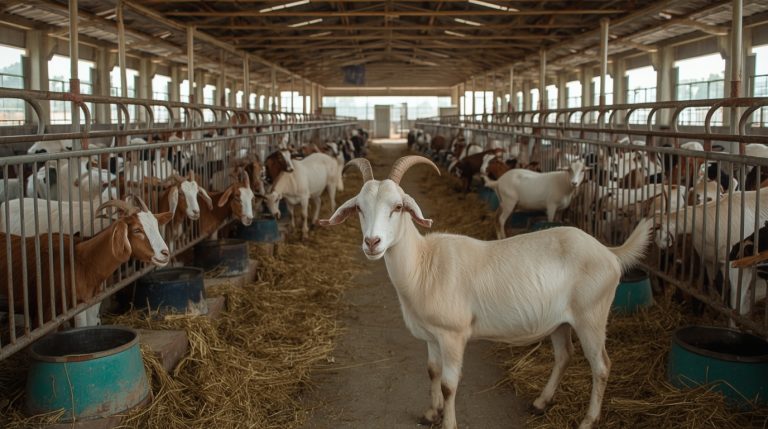
Government Training Session at Krishi Vigyan Kendra – Farmers Learning Modern Goat Farming Techniques

Start Your Government-Supported Training Journey

Access free, high-quality training programs and unlock government schemes designed to support your goat farming success across India.

Preventive Care

Goat Preventive Care – GoatIndia.com
🐐

Goat Preventive Care

Comprehensive healthcare prevention strategies to keep your goat herd healthy, productive, and disease-free throughout the year

Vaccination Schedules Disease Prevention Health Monitoring Expert Guidance

Preventive Care Overview

  • Establish comprehensive vaccination schedules for common diseases
  • Implement regular deworming and parasite prevention protocols
  • Monitor herd health through routine examinations and record keeping
  • Maintain proper nutrition and housing for disease prevention
  • Develop biosecurity measures to protect your herd
  • Create emergency response plans for health crises

Essential Prevention Facts

Prevention Area Frequency Key Focus
Vaccination Annual/Biannual PPR, Foot & Mouth Disease, Tetanus
Deworming Every 3-4 months Internal parasites, faecal testing
Health Checks Weekly Body condition, appetite, behavior
Hoof Trimming Every 6-8 weeks Prevent lameness and infections
Mineral Supplements Daily Calcium, phosphorus, trace elements
Housing Hygiene Daily Clean water, dry bedding, ventilation

Vaccination Protocols for Indian Conditions

Essential vaccinations for goats in India include PPR (Peste des Petits Ruminants), Foot and Mouth Disease, and Tetanus. PPR vaccination should be administered at 4-6 months of age with annual boosters. In states like Rajasthan and Gujarat where FMD is prevalent, vaccination every 6 months is recommended.

Coordinate with local veterinary hospitals in Maharashtra, Punjab, and other major goat-rearing states for vaccination schedules. Maintain cold chain during transportation and storage of vaccines, especially important in hot climates.

Always consult with a qualified veterinarian to develop location-specific vaccination programs based on local disease prevalence and seasonal patterns.

Deworming and Parasite Management

Internal parasites significantly impact goat health across Indian farming regions. Implement strategic deworming based on faecal egg counts rather than calendar-based schedules to prevent resistance development.

Common dewormers include Albendazole, Ivermectin, and Levamisole, but effectiveness varies by region. In Kerala and Tamil Nadu’s humid conditions, more frequent monitoring may be necessary due to higher parasite loads.

Practice pasture rotation where possible and avoid overgrazing to reduce parasite burden. Monitor body condition scores and check eyelid color for anemia indicators monthly.

Nutritional Prevention Strategies

Proper nutrition forms the foundation of disease prevention. Ensure adequate protein (12-16% for adults), energy, vitamins, and minerals in the diet. Deficiencies weaken immunity and increase disease susceptibility.

Supplement with mineral mixtures containing copper, zinc, selenium, and cobalt – elements often deficient in Indian soils. Provide clean, fresh water constantly, with increased requirements during hot seasons in states like Haryana and Uttar Pradesh.

Store feed properly to prevent mycotoxin contamination, particularly important during monsoon seasons. Avoid sudden feed changes that can cause digestive upsets and compromise immunity.

Biosecurity and Herd Management

Implement quarantine protocols for new animals entering the herd – minimum 30 days isolation with health testing. This prevents introduction of diseases like CAE (Caprine Arthritis Encephalitis) and CLA (Caseous Lymphadenitis).

Restrict visitor access to goat areas and provide foot baths with disinfectant solutions. In community grazing systems common in Rajasthan and other states, coordinate with neighboring farmers for collective health management.

Maintain detailed health records including vaccination dates, treatments, and breeding information. This enables early disease detection and supports veterinary consultations.

💉

Vaccination Management

Systematic immunization schedules tailored to Indian disease patterns and climate conditions

🔬

Health Monitoring

Regular health assessments and diagnostic protocols for early disease detection

🌿

Natural Prevention

Herbal supplements and traditional practices integrated with modern preventive medicine

📊

Record Keeping

Systematic documentation of health interventions, treatments, and herd performance metrics

Important: Always consult with a qualified veterinarian before implementing any vaccination or treatment program. Regional disease patterns vary significantly across Indian states and require professional assessment.
Regional Consideration: Disease prevalence varies significantly between states. Coastal regions like Kerala may have different challenges compared to arid regions like Rajasthan. Adapt prevention strategies accordingly.
Success Tip: Preventive care is more cost-effective than treating diseases. A well-planned prevention program can reduce veterinary costs by up to 70% while improving herd productivity.

Frequently Asked Questions

Question Answer
When should I start vaccinating kids? Begin vaccinations at 4-6 months of age for PPR, after maternal antibodies wane. Consult local veterinarian for area-specific timing based on disease prevalence.
How often should I deworm my goats? Base deworming on faecal egg counts every 3-4 months rather than fixed schedules. More frequent monitoring needed in humid regions like coastal Karnataka.
What vaccines are mandatory in India? PPR vaccination is mandatory in most states. FMD vaccination required in outbreak-prone areas. Check with local animal husbandry department for current requirements.
How do I prevent pneumonia in kids? Ensure proper ventilation, avoid overcrowding, maintain dry housing, and provide adequate colostrum within first 6 hours of birth. Vaccinate pregnant does if recommended.
What signs indicate poor herd health? Watch for reduced appetite, lethargy, abnormal posture, discharge from nose/eyes, changes in fecal consistency, and declining milk production or growth rates.
Can I use traditional remedies with modern medicine? Some traditional practices complement modern care, but always consult veterinarian before combining treatments. Never replace critical vaccines or treatments with unproven remedies.
How do I quarantine new animals? Isolate new goats for minimum 30 days, conduct health examination and testing, complete vaccination if needed, and gradually introduce to main herd after clearance.
What records should I maintain? Keep vaccination records, treatment history, breeding dates, health observations, feed consumption, and growth/production data. Digital or paper records both acceptable.
Goat Health Monitoring and Vaccination Demonstration Images

Ready to Implement Preventive Care?

Start building a healthier, more productive goat herd with proven preventive care strategies designed for Indian farming conditions

Surti Goat

Surti Goat – Complete Breed Guide | GoatIndia.com

Surti Goat Breed

Gujarat’s premier dairy goat breed known for exceptional milk production and remarkable adaptability to diverse climatic conditions across India

Surti Goat Key Statistics

Essential facts and figures about this valuable Gujarat dairy breed

0
Daily Milk (Liters)
0
Average Doe Weight (kg)
0
Average Kidding Age (days)
0
Max Herd Size

Comprehensive Breed Guide

Detailed information organized by topic for easy navigation

Origin and Distribution

Surti goats originate from Surat city in Gujarat and are primarily found in Maharashtra, particularly around Surat, Baroda, and Nasik regions. This breed represents one of India’s most valuable dairy goat populations.

Primary Purpose

Bred specifically for high milk production, Surti goats are considered among India’s best dairy goat breeds. They adapt well to both stall-fed and extensive grazing management systems.

Herd Management

Typically maintained in groups of 4-15 animals, Surti goats are suitable for both small-scale family farming and commercial dairy operations with flexible management requirements.

Economic Importance

High milk yield combined with low maintenance costs make Surti goats economically attractive for dairy farming, especially in marginal areas with limited resources.

Breed Recognition

The Surti goat is recognized as a highly specialized dairy breed with relatively small population numbers, making it both valuable and requiring conservation efforts to maintain genetic diversity.

Body Structure

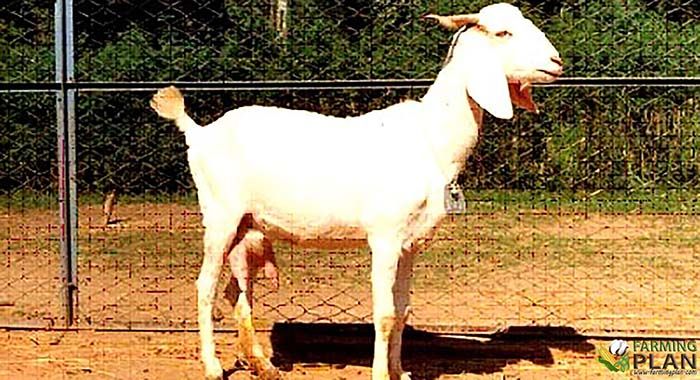
Surti goats have compact bodies ranging from small to medium size. Their short, glossy coat is predominantly white in color, giving them a distinctive appearance among Indian goat breeds.

Head and Ears

Characterized by high foreheads with slightly protruding profiles and drooping ears. These features are consistent markers for breed identification and adaptation to regional climate.

Horns

Both bucks and does commonly have horns of similar size that point straight up and backward. Horn presence is a typical characteristic of the breed.

Udder Characteristics

Does possess large, conical-shaped teats with well-developed udders suitable for high milk production, reflecting their dairy breed specialization.

Doe Weight 32 kg average
Buck Weight 30 kg average
Coat Color White (primary)
Hair Type Short and glossy
Ear Type Drooping
Horn Pattern Straight up and back

Sexual Dimorphism

Interestingly, Surti does are typically larger than bucks, which is somewhat unusual among goat breeds. This size difference may relate to their specialized dairy breeding and selection for milk production traits.

Housing Requirements

Surti goats thrive in warm, dry, and clean environments. Raised housing systems built off the ground are recommended for better hygiene and disease prevention.

Ventilation Systems

Adequate ventilation with sufficient fresh air circulation and natural light is essential. Housing should be designed for easy cleaning and maintenance.

Feeding Strategy

Balanced diet including both grains and green fodder is crucial. As a dairy breed, Surti goats require higher vegetable content in their diet for optimal milk production.

Health Management

Regular veterinary consultations, timely deworming, and vaccination schedules are essential. Their robust nature makes them relatively easy to manage compared to other breeds.

Management Flexibility

One of Surti goats’ greatest advantages is their adaptability to both stall-fed intensive systems and extensive grazing management, providing farmers with flexible production options based on available resources and market demands.

Water Requirements

Ensure continuous access to clean, fresh water. Adequate hydration is particularly important for lactating does to maintain milk production levels.

Nutritional Supplements

Mineral supplementation may be necessary depending on local soil conditions. Consult with regional veterinary experts for area-specific nutritional recommendations.

Milk Yield Performance

Under stall-fed conditions with supplementary nutrition, Surti does produce 2.0-2.25 liters of milk daily. Under grazing systems, production averages around 1.2 kg daily.

Reproductive Performance

Known for high fecundity with multiple births not uncommon. Average kidding age is 400-500 days, allowing for good reproductive efficiency in commercial operations.

Kid Production

Multiple births contribute to rapid herd expansion potential. Their capacity to produce healthy offspring through multiple births benefits farmers seeking to multiply their herds.

Adaptation Benefits

Exceptional climate adaptability allows consistent production across diverse environmental conditions, from hot humid areas to semi-arid regions.

Production Advantages

Surti goats represent an excellent choice for small-scale Indian farmers due to their ability to thrive on marginal forage, low water requirements, and cost-effective maintenance while delivering substantial milk yields.

Production System Daily Milk Yield Feed Requirements Management Intensity
Intensive Stall-Fed 2.0-2.25 liters Concentrated feed + green fodder High
Semi-Intensive 1.5-2.0 liters Partial grazing + supplements Medium
Extensive Grazing 1.2 kg (1.2 liters) Natural pasture + minimal supplements Low

Essential Farming Knowledge

Practical techniques for successful Surti goat farming operations

Feeding Best Practices

Provide balanced nutrition with emphasis on green fodder for optimal milk production. Include leguminous feed and ensure adequate mineral supplementation. Fresh, clean water should be available continuously, especially for lactating does.

Housing Design

Construct raised housing systems off the ground with proper drainage. Ensure adequate ventilation while protecting from harsh weather. Design for easy cleaning and maintenance with separate areas for different animal categories.

Health Monitoring

Implement regular health check-ups with qualified veterinarians. Maintain vaccination schedules and deworming programs. Monitor for common diseases and maintain biosecurity measures to prevent disease transmission.

Regional Performance Comparison

Surti goat performance across different management systems and regions

Characteristic Surti Barbari Beetal Jamunapari
Origin State Gujarat Uttar Pradesh Punjab Uttar Pradesh
Average Doe Weight 32 kg 25-30 kg 45-50 kg 50-60 kg
Daily Milk (Stall-Fed) 2.0-2.25 L 1.5-2.0 L 2.5-3.0 L 3.5-4.0 L
Primary Use Milk production Dual purpose Milk production Milk production
Climate Adaptation Hot humid & semi-arid Semi-arid Subtropical Semi-arid
Special Features High fecundity, adaptability Disease resistance High milk yield Large body size

Start Your Surti Goat Journey

Discover the potential of Gujarat’s premier dairy goat breed with expert guidance and comprehensive resources for successful farming

Osmanabadi Goat

Osmanabadi Goat – Complete Farming Guide | GoatIndia.com

Osmanabadi Goat

Complete farming guide for Maharashtra’s dual-purpose goat breed. Expert insights on breeding, feeding, housing, and milk production management for optimal performance in Indian conditions.

Osmanabadi Goat Key Statistics

Essential performance metrics for Maharashtra’s versatile dual-purpose breed

1kg
Daily Milk Production
34kg
Average Male Weight
32kg
Average Female Weight
90%
Bucks with Horns

Comprehensive Farming Information

Detailed guidance for successful Osmanabadi goat management

Physical Appearance

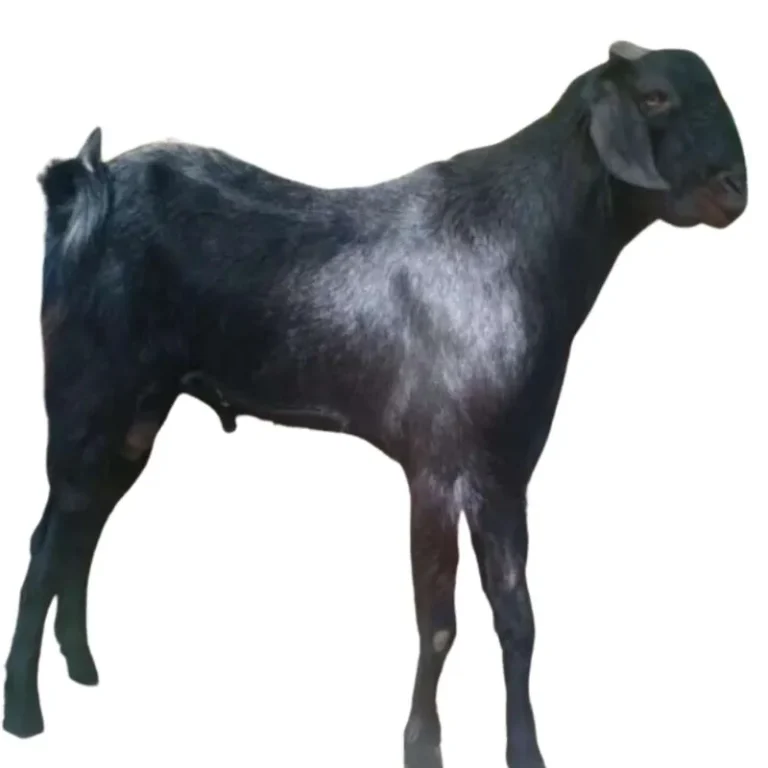
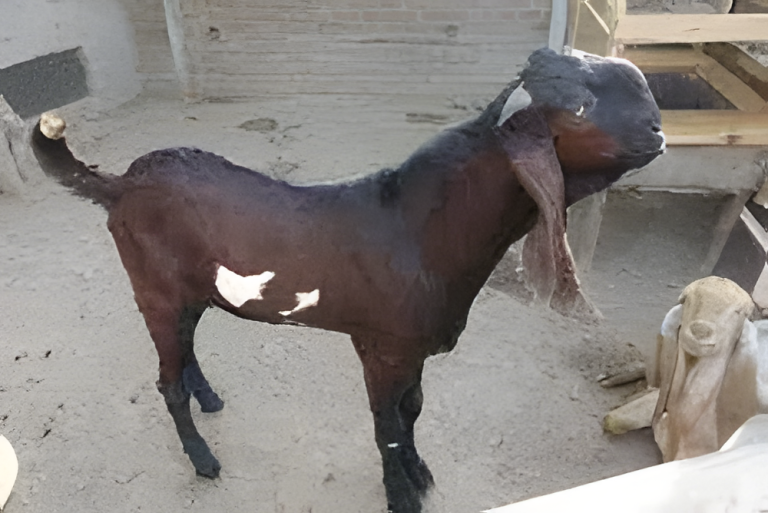
Coat colors vary widely with black, white, and brown being most common. Large, drooping ears complement straight or slightly curved faces. Adult males average 68cm body length while females average 66cm.

Size Classification

Medium to large-sized goats with impressive lengthy legs and attractive appearance. Adult males weigh 34-36kg on average while females typically weigh 30-32kg with proper care and nutrition.

Horn Development

Approximately 90% of bucks develop horns while does may be horned or polled. Horn presence varies between individuals with some females showing only cosmetic horn development.

Breed Recognition

Certified breed with high-demand meat quality across India. The flesh commands premium prices in markets while skin quality is exceptionally valued for leather production applications.

Identification Note: Osmanabadi goats are easily recognizable by their typically black coloration, though color variations exist. Their large size and drooping ears are distinctive characteristics that differentiate them from other Maharashtra breeds.
Milk Yield

Daily milk production typically ranges from 0.5 to 1.5kg during lactation period. Peak production occurs in first six weeks post-kidding, averaging 1.25 liters daily before gradually declining.

Milk Quality

Milk contains 3.5% fat content with good protein levels. Suitable for lactose-intolerant individuals and highly demanded in major urban centers. Excellent nutritional value for infants and children.

Reproductive Performance

Impressive reproductive capacity with potential for twice-yearly breeding under optimal conditions. Twins are normal occurrence with triplets being uncommon. Gestation period approximately 5 months.

Meat Production

Primary purpose is high-quality meat production. Excellent grade meat with superior taste and texture. Good carcass yield and dressing percentage making them economically valuable for meat enterprises.

Feeding Requirements

Feed at rate of 10% of body weight daily, divided into three meals. Diet should include green forage, dry forage, and concentrate feed with balanced protein, carbohydrates, vitamins and minerals.

Special Nutrition

Pregnant or nursing does require additional 100 grams of concentrate feed daily. Cost-effective feeding using readily available forage including grass, legume pulp, and vegetables reduces feed costs significantly.

Housing Design

Provide constant access to outdoor space with reliable food sources. Adequate ventilation through windows and doors essential. Clean, dry, and sanitary conditions maximize productivity and health.

Seasonal Management

Winter requires plastic covering for vents to maintain warmth. Apply limestone powder every two weeks to control microorganisms. Separate quarters needed for kids, males, and females.

Disease Resistance

Superior disease resistance compared to other breeds makes them ideal for commercial farming. When properly vaccinated, they show excellent immunity and produce many healthy offspring.

Vaccination Schedule

Foot and Mouth Disease: Kids at 3 and 6 months, adults every 6 months. Goat Pox and PPR: Kids at 3 and 6 months, adults annually. Maintain consistent vaccination records.

Preventive Care

Regular health monitoring and proper sanitation prevent common diseases. Maintain clean housing conditions and provide adequate nutrition to support natural immunity and disease resistance.

Veterinary Support

Veterinarians specifically recommend this breed for commercial operations. Regular check-ups and professional guidance ensure optimal health management and production performance.

Practical Farming Techniques

Evidence-based practices for successful Osmanabadi goat farming

Feeding Management

Daily Feeding: Three meals per day with 10% of body weight as total feed requirement
Feed Composition: Balanced combination of green forage, dry forage, and concentrate feed
Pregnancy Care: Additional 100g concentrate daily for pregnant and lactating does
Quality Focus: High-quality inputs always provide best results for optimal production

Housing Requirements

Ventilation: Adequate windows and doors for free air circulation
Cleanliness: Clean, dry, and sanitary conditions essential for productivity
Space Management: Separate quarters for kids, bucks, and does
Outdoor Access: Constant access to outdoor areas important for health

Reproductive Management

Breeding Schedule: Twice yearly breeding possible under optimal conditions
Gestation Period: Approximately 5 months from mating to kidding
Multiple Births: Twins normal occurrence, triplets uncommon
Climate Adaptation: Thrives in severe temperatures and humidity

Economic Benefits

Cost-Effective: Fed with readily available forage reducing feed costs
Market Demand: High-demand meat and premium skin quality
Urban Markets: Strong milk demand in major urban centers
Multiple Products: Revenue from milk, meat, and skin sales

Performance Comparison

Osmanabadi goat specifications and management requirements

Parameter Male (Buck) Female (Doe) Management Notes
Average Weight 34-36 kg 30-32 kg Varies with nutrition and care quality
Body Length 68 cm average 66 cm average Medium to large size classification
Horn Development 90% develop horns May be horned or polled Genetic variation in horn expression
Daily Feed 3.4-3.6 kg 3.0-3.2 kg 10% of body weight daily
Milk Production N/A 0.5-1.5 kg/day Peak in first 6 weeks post-kidding

Start Your Osmanabadi Goat Farm

Join thousands of successful farmers raising Maharashtra’s premium dual-purpose breed

Marwari Goat

Marwari Goat – Complete Farming Guide | GoatIndia.com

Marwari Goat

Complete farming guide for Rajasthan’s premier dual-purpose desert goat breed. Expert insights on breeding, feeding, housing, and management for optimal milk and meat production in arid regions.

Marwari Goat Key Statistics

Essential performance metrics for India’s desert-adapted breed

32kg
Average Adult Weight
76cm
Male Height
1-2
Kids per Birth
7
Main Distribution Districts

Complete Marwari Goat Knowledge Hub

Comprehensive farming guide for desert goat production

Origin & Distribution

Marwari goats originate from the Marwar region of Rajasthan, specifically the districts of Jodhpur, Jalore, Pali, Barmer, Jaisalmer, Bikaner, and Nagaur. Population peaked at 4.3 million in 1970, declining to 500,000 by the end of that decade.

Primary Uses

Multi-purpose breed valued for both milk and meat production. Their dual-purpose nature makes them economically valuable for desert farming communities with limited resources and harsh environmental conditions.

Climate Adaptability

Exceptional adaptation to Thar Desert conditions with thick hair enabling tolerance of extreme heat and cold temperatures. Natural resistance to harsh dietary conditions and infectious pathogens common in arid regions.

Management System

Traditionally raised in extensive grazing systems with natural breeding practices. One healthy buck can serve 30-35 does. Raised housing systems preferred for improved management and disease control.

Desert Resilience: Marwari goats are uniquely adapted to survive in one of India’s most challenging environments, the Thar Desert. Their thick coat and hardy constitution enable them to thrive where other breeds struggle.
Physical Appearance

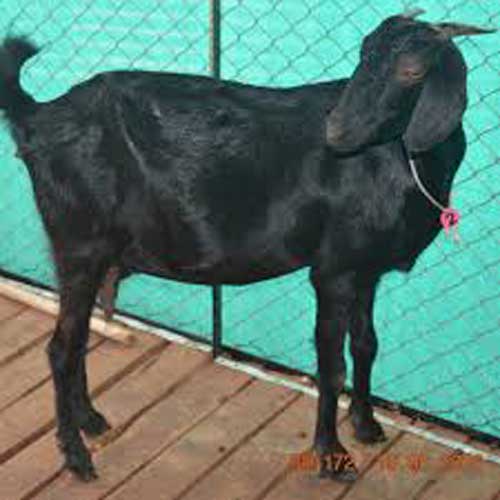
Distinctive glossy black coat with compact physique similar to medium dog size. Approximately 5% of kids may have white or brown patches on their black fur. Both males and females possess characteristic beards.

Size and Weight

Males typically weigh 39-42kg and reach 76cm height. Females maximum weight is 32kg with 68cm average height. Compact build well-suited for navigating desert terrain and conserving energy.

Distinctive Features

Small, flat ears measuring up to 17cm in length that droop in a specific direction. Small upward and backward-pointing horns present in both sexes, with males having larger, more durable horns than females.

Coat Characteristics

Thick, glossy black hair coat that provides insulation against both extreme heat and cold temperatures. Short, slender tail and alert, handsome appearance with prominent eyes due to large orbital bones.

Housing Requirements

Elevated housing systems preferred for improved hygiene and disease prevention. Proper shelter with good ventilation essential for protecting from extreme weather. Easy-to-clean housing designs recommended for efficient management.

Feeding Management

Balanced diet crucial for optimal performance with emphasis on quality greens and grains. Require adequate vitamin and mineral supplementation. Natural grazing ability with good feed conversion efficiency in harsh conditions.

Health Care

Regular veterinary checkups essential for disease prevention. Follow proper vaccination schedules and maintain biosecurity measures. Natural resistance to common desert pathogens but preventive care still important.

Breeding Management

Natural breeding preferred over artificial methods. Single buck can serve 30-35 does effectively. Individual births more common (90%), with multiple births occurring primarily under good nutrition conditions.

Reproductive Performance

Superior reproductive abilities with individual births being the norm (90% of births). Multiple births improve to 10% with adequate nutrition and proper management. Natural breeding systems preferred.

Milk Production

Moderate milk production suitable for family consumption and local markets. Lactation performance varies with nutrition and management practices. Milk quality good for direct consumption and dairy products.

Meat Production

Excellent meat production with good carcass quality. Compact size provides efficient meat-to-bone ratio. Meat well-regarded for taste and nutritional value in desert regions of Rajasthan.

Economic Value

Multi-purpose production makes them economically valuable for desert farming communities. Lower input requirements due to hardy nature. Good adaptation reduces production costs in harsh environments.

Veterinary Consultation: Always consult with local veterinarians familiar with desert goat management for specific feeding, breeding, and health care recommendations suited to your local conditions.

Marwari Goat Farming Techniques

Practical knowledge for successful desert goat management

Desert Feeding Strategies

Utilize available desert vegetation including hardy shrubs and drought-resistant grasses. Supplement with grains during harsh seasons and provide adequate water sources. Focus on nutrition that supports their natural hardiness.

Heat Management

Provide adequate shade during peak summer temperatures. Ensure proper ventilation in housing structures. Their thick coat provides natural insulation, but additional cooling measures may be needed during extreme heat waves.

Water Management

While adapted to limited water availability, ensure clean, fresh water is always accessible. Water requirements increase during hot weather and lactation periods. Monitor water quality in desert regions.

Marwari Goat Breed Comparison

How Marwari goats compare with other Indian breeds

Characteristic Marwari Barbari Sirohi
Origin Region Rajasthan (Desert) Uttar Pradesh Rajasthan Hills
Adult Weight (Male) 39-42 kg 35-40 kg 50-60 kg
Adult Weight (Female) 32 kg 25-30 kg 35-45 kg
Climate Adaptation Extreme Desert Semi-arid Hilly Semi-arid
Primary Use Dual-purpose Meat Dual-purpose
Coat Color Glossy Black White with Brown Brown with Black

Master Desert Goat Farming

Unlock the potential of Marwari goats for sustainable desert agriculture

Malabari Goat

Malabari Goat – Complete Farming Guide | GoatIndia.com

Malabari Goat Farming

Complete guide to Kerala’s indigenous Tellicherry goat breed known for rapid growth, prolific breeding, and excellent adaptability to South Indian conditions

Malabari Goat Key Statistics

Verified performance data for informed farming decisions

20kg
Weight in 7 Months
From 2kg birth weight
2.5L
Daily Milk Yield
Peak production capacity
4-6
Kids Per Year
High reproductive rate
172
Lactation Days
Average lactation period

Complete Malabari Goat Information

Physical Appearance

Malabari goats are indigenous to Kerala highlands with distinctive white coloration. Pure-bred animals are always white, though extremely rare black goats exist. They have a compact, well-proportioned body structure suitable for tropical conditions.

Size and Weight

Medium-sized breed with exceptional growth rates. Adults typically reach 20-22kg with proper care, though 16-18kg is common with standard management. Birth weight averages 2kg with rapid early growth.

Regional Distribution

Originally from Kerala highlands but adapted across South India. Performs well in Maharashtra, Goa, Andhra Pradesh, Tamil Nadu, and Karnataka. Limited recognition in northern states.

Climate Requirements

Thrives in moderate temperatures avoiding extreme cold or heat. Well-suited to South Indian climate conditions but not recommended for mountainous regions of Himachal Pradesh and Kashmir.

Breed Identity: Also known as Tellicherry goats, pure-bred Malabari goats are exclusively white in color. Their genetic makeup naturally excludes white coloration variations, making color a key identification marker.
Growth Performance

Outstanding growth rate achieving 20kg from 2kg birth weight in just 7 months. This exceptional performance makes them one of the fastest-growing Indian breeds. Sexual maturity reached at 8 months.

Milk Production

Daily milk yield approximately 2.5 liters during peak lactation. Lactation period averages 172 days with total yield of 66kg per lactation. Milk suitable for human consumption after initial weeks.

Reproductive Efficiency

Highly prolific with 4-6 kids per year possible. Early breeding capability with first kidding around one year. Multiple births common with proper nutrition and management.

Meat Production

Excellent meat production potential with rapid weight gain. Good carcass quality and dressing percentage. Suitable for both commercial meat production and local consumption markets.

Housing Systems

Performs better in semi-intensive systems compared to open grazing. Shed-raised animals show faster growth and better disease resistance. Proper ventilation and drainage essential for health.

Feeding Requirements

Feed costs represent major expense requiring careful planning. Three types of feed needed: concentrate, roughage, and mineral supplements. Stock feed in advance to reduce transportation costs.

Health Management

Regular vaccination schedules and preventive health care essential. Monitor for common diseases and maintain hygiene standards. Consult veterinarians for health programs and treatment protocols.

Daily Care Routine

Establish consistent feeding, milking, and cleaning schedules. Monitor weight gain progress and reproductive cycles. Maintain detailed records for performance evaluation and improvement.

Breeding Age

Does reach sexual maturity at 5-6 months but first breeding recommended at 8-10 months for optimal health. First kidding typically occurs around one year of age.

Kidding Management

Multiple births common with proper nutrition. Provide clean, comfortable kidding areas and immediate post-birth care. Monitor dam and kids closely during early lactation period.

Selection Criteria

Select breeding stock based on growth rate, reproductive performance, and health status. Maintain pure breed characteristics including white coloration. Cull poor performers regularly.

Record Keeping

Maintain detailed breeding records including birth dates, weights, parentage, and performance data. Use records for genetic improvement and management decision making.

Malabari Goat Breed Specifications

Origin Kerala highlands, India
Alternative Names Tellicherry goat
Primary Purpose Dual-purpose (milk and meat)
Adult Weight 20-22kg (with proper care)
Birth Weight 2kg average
Growth Rate 2kg to 20kg in 7 months
Sexual Maturity 8 months (first breeding)
First Kidding Around 12 months age
Kidding Rate 4-6 kids per year
Lactation Period 172 days average
Milk Yield 66kg per lactation (0.5L daily)
Coat Color White (pure-bred), rare black variants

Professional Farming Insights

Expert guidance for successful Malabari goat farming operations

Growth Advantages

Malabari goats are among the few breeds capable of achieving 10x weight gain (2kg to 20kg) in just 7 months. This exceptional growth rate makes them highly profitable for meat production and breeding programs.

Reproductive Excellence

High reproductive efficiency with possibility of 4-6 kids annually when properly managed. Early sexual maturity and prolific breeding make them ideal for commercial operations focused on rapid herd expansion.

Management Benefits

Shed-raised systems show superior results compared to open grazing. Better disease resistance, faster growth, and easier handling make semi-intensive management the preferred approach for commercial operations.

Regional Suitability

Well-adapted to South Indian climate conditions but limited recognition in northern states. Performance varies with regional climate conditions, making location selection crucial for success.

Economic Considerations

Feed costs represent the major operational expense requiring advance planning. Local feed production and storage can significantly reduce costs and improve profitability of Malabari goat farming enterprises.

Market Potential

Growing recognition for rapid growth and productivity creates expanding market opportunities. Both meat and breeding stock command good prices due to superior performance characteristics.

Start Your Malabari Goat Farming Journey

Leverage the exceptional growth and productivity of this prolific breed

Beetal Goat

Beetal Goat – Complete Breed Guide | GoatIndia.com

Beetal Goat Breed

Comprehensive guide to one of Punjab’s most productive dual-purpose goat breeds, known for excellent milk production and meat quality across North India.

Beetal Breed Statistics

Key performance indicators and breed characteristics of Beetal goats in Indian farming conditions

2.5L
Average Daily Milk Yield
75-90kg
Adult Buck Weight Range
8 Months
Average Lactation Period
1-3 Kids
Kids Per Kidding

Complete Beetal Goat Information

Origin and History

Beetal goats originated in the Punjab region, particularly around Batala tehsil. This dual-purpose breed has been selectively bred by farmers for over centuries, developing excellent milk production capabilities alongside good meat quality.

Physical Characteristics

Large-sized goats with long, pendulous ears measuring 25-30 cm. Coat colors vary from light brown to dark brown, often with white patches. Males have prominent beards and twisted horns.

Body Measurements

Adult males weigh 75-90 kg while females range 50-65 kg. Body length averages 75-85 cm with height at withers measuring 85-95 cm for males and 75-85 cm for females.

Breed Recognition

Officially recognized by the National Bureau of Animal Genetic Resources (NBAGR) and listed in the breed registry. Popular across Punjab, Haryana, Delhi, and parts of Uttar Pradesh.

Milk Production

Average daily milk yield ranges 2-3 liters with peak production reaching 4 liters in optimal conditions. Lactation period extends 6-8 months with annual milk production of 400-600 liters.

Reproductive Performance

Sexual maturity achieved at 12-15 months. Kidding interval averages 12 months with 1-3 kids per kidding. Twin births are common, contributing to good reproductive efficiency.

Growth Rates

Kids achieve 12-15 kg weight at 6 months with daily weight gain of 80-120 grams under proper nutrition. Adult weight reached by 18-24 months of age.

Meat Quality

Excellent meat production with good marbling and taste. Dressing percentage ranges 45-50%. Castrated males can reach 70-80 kg live weight for meat production.

Feeding Requirements

Daily dry matter intake 3-4% of body weight. Requires good quality green fodder (8-10 kg), concentrate feed (300-500g), and clean drinking water (4-6 liters daily).

Housing Specifications

Minimum 15-20 sq ft per adult goat. Well-ventilated pucca or semi-pucca sheds with proper drainage. Separate housing for bucks, pregnant does, and kids recommended.

Health Management

Regular vaccination against PPR, FMD, and enterotoxemia. Deworming every 3-4 months. Common issues include pneumonia, diarrhea, and external parasites requiring prompt treatment.

Breeding Management

Maintain 1:25-30 buck to doe ratio. Practice controlled breeding for year-round kidding. Genetic improvement through artificial insemination available in progressive areas.

Geographic Distribution

Primarily found in Punjab (Gurdaspur, Amritsar, Batala districts), Haryana, Delhi, and western Uttar Pradesh. Well-adapted to Indo-Gangetic plain conditions.

Climate Adaptability

Thrives in semi-arid to humid subtropical climate. Tolerates temperature range of 5-45°C. Requires adequate shelter during extreme weather conditions.

Market Demand

High demand in North Indian markets for both milk and meat. Premium prices for breeding stock. Growing popularity in peri-urban dairy farming systems.

Conservation Status

Population stable with estimated 1.2 million animals. Active breeding programs by state animal husbandry departments and research institutions ensure genetic diversity.

Practical Farming Information

Evidence-based management practices for successful Beetal goat farming

Nutrition Management

  • Green Fodder: Berseem, lucerne, jowar, maize – 8-10 kg daily
  • Dry Fodder: Wheat straw, paddy straw – 1-2 kg daily
  • Concentrate: 300-500g for milch animals, 200-300g for dry animals
  • Minerals: 10-15g mineral mixture daily
  • Water: Clean drinking water 4-6 liters daily
  • Pregnancy: Additional 200g concentrate in last 6-8 weeks

Housing Requirements

  • Space: 15-20 sq ft per adult, 10 sq ft per kid
  • Ventilation: Cross ventilation with 1-2 feet clearance
  • Flooring: Brick/concrete with slope for drainage
  • Roof Height: 10-12 feet for proper air circulation
  • Feeding Space: 18 inches per animal at feed manger
  • Separate Areas: Buck house, maternity pen, sick animal isolation

Healthcare Protocol

  • Vaccination: PPR (annually), FMD (bi-annually), ET (annually)
  • Deworming: Every 3-4 months or as per FEC
  • Hoof Trimming: Every 6 months or as needed
  • Body Condition: Monthly scoring and weight monitoring
  • Common Diseases: Monitor for pneumonia, diarrhea, mastitis
  • Veterinary Care: Regular health check-ups every 6 months

Breeding Management

  • Age at Breeding: 12-15 months or 30-35 kg body weight
  • Estrus Cycle: 18-21 days with 24-48 hours heat period
  • Gestation Period: 145-155 days (average 150 days)
  • Buck Selection: Good conformation, disease-free, proven genetics
  • Breeding Records: Maintain detailed breeding and production records
  • Kidding Care: Clean environment, colostrum within 1 hour

Beetal vs Other Breeds Comparison

Parameter Beetal Jamunapari Barbari Sirohi
Body Weight (Male) 75-90 kg 65-90 kg 35-45 kg 50-65 kg
Body Weight (Female) 50-65 kg 40-60 kg 25-30 kg 35-45 kg
Daily Milk Yield 2-3 liters 2-3 liters 1-2 liters 1.5-2 liters
Lactation Period 6-8 months 7-9 months 5-6 months 6-7 months
Kids per Kidding 1-3 1-2 2-3 1-2
Primary Region Punjab, Haryana Uttar Pradesh Uttar Pradesh Rajasthan

Start Your Beetal Goat Farm

Begin your journey in profitable goat farming with comprehensive breed information and expert guidance

Goat Shelter Ideas

Goat Shelter Ideas – Practical Housing Solutions | GoatIndia.com

Goat Shelter Ideas

Practical housing solutions and shelter designs for healthy, productive goat farming across India. Build cost-effective, climate-appropriate shelters that protect your herd year-round.

Shelter Impact Statistics

Well-designed goat shelters significantly improve herd health, productivity, and farmer success rates across India

0
% Mortality Reduction
0
% Milk Yield Increase
0
% Disease Prevention
0
% Weather Protection

Shelter Design Hub

Comprehensive guidance for building effective goat shelters

Space Requirements

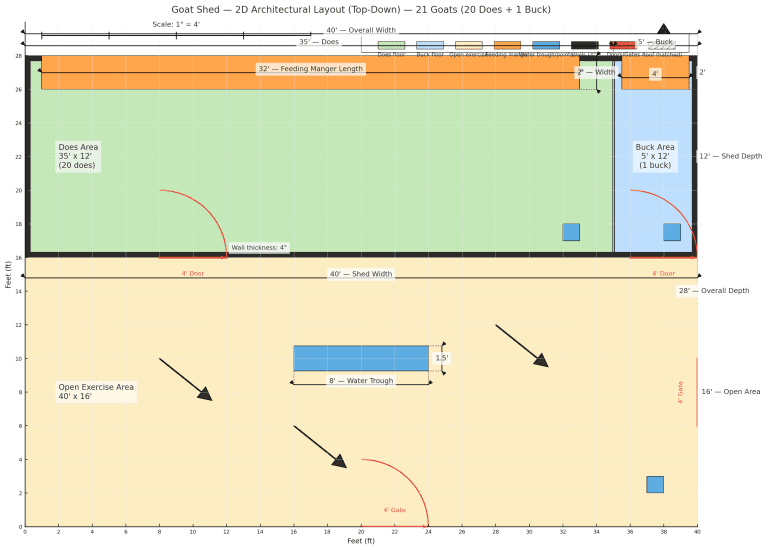
Adult goats need 1.2-1.5 square meters of covered space per animal, with additional 2-3 square meters of exercise area. Kids require 0.5-0.7 square meters each.

Standard Dimensions: For 10 goats: 15m x 4m shelter with 3.5m height for proper ventilation and comfort.

Essential Features

Proper ventilation, drainage, feeding areas, and separate spaces for different groups (pregnant does, kids, bucks).

Critical Elements: Cross-ventilation, raised flooring, waterproofing, and predator protection are non-negotiable features.

Local Materials

Bamboo, mud bricks, thatch roofing, and locally available stones provide cost-effective, climate-appropriate construction options.

Regional Options: Rajasthan – stone and mud; Kerala – bamboo and coconut palm; Punjab – brick and steel.

Modern Materials

Galvanized iron sheets, concrete blocks, and synthetic materials offer durability but require higher investment.

Best Combinations: Steel frame with local materials reduces costs while maintaining structural integrity.

Hot Dry Regions

Rajasthan, Gujarat: Double-roof insulation, thick walls, east-west orientation, and adequate shade structures.

Ventilation Focus: Cross-ventilation at ground level with hot air exhaust vents near the roof.

Humid Coastal Areas

Kerala, Tamil Nadu: Elevated construction, maximum ventilation, moisture-resistant materials, and fungal prevention.

Drainage Priority: Slope floors at 1:100 ratio with proper drainage channels to prevent waterlogging.

Daily Care

Clean bedding, check ventilation systems, inspect for damage, and maintain proper hygiene standards.

Routine Tasks: Remove wet bedding, check water systems, and ensure proper waste management.

Seasonal Maintenance

Pre-monsoon roof repairs, winter insulation checks, and summer cooling system maintenance.

Preventive Care: Annual structural inspection and timely repairs prevent costly damage and animal health issues.

Practical Shelter Knowledge

Evidence-based information for successful goat shelter management

Ventilation Science

Proper air circulation prevents respiratory diseases and maintains optimal humidity levels. Fresh air requirement: 0.5-1 cubic meter per minute per goat.

Air Quality Indicators: No ammonia smell, comfortable temperature, and absence of condensation on walls.

Floor Management

Concrete floors with rubber mats, proper slope for drainage, and regular cleaning maintain hoof health and prevent diseases.

Floor Options: Raised slatted floors work well for drainage but require careful gap sizing (1.5-2cm) to prevent hoof injuries.

Feeding Areas

Separate feeding and resting areas, adequate feeder space (30-35cm per goat), and easy access for feed distribution.

Feeder Design: Height adjustable feeders accommodate different sized animals and reduce feed wastage by 15-20%.

Shelter Comparison Guide

Compare different shelter types for informed decision-making

Shelter Type Construction Cost Maintenance Climate Suitability Lifespan
Traditional Mud & Thatch ₹8,000-12,000 High (Annual) Dry regions 5-8 years
Bamboo Structure ₹15,000-25,000 Moderate Humid areas 8-12 years
Brick & RCC ₹45,000-65,000 Low All climates 20-25 years
Steel Frame ₹35,000-50,000 Low All climates 15-20 years

Ready to Build Your Goat Shelter?

Get detailed shelter plans, material lists, and construction guidance for successful goat housing

Feeding Habits of Goats

Feeding Habits of Goats – Complete Guide | GoatIndia.com

Feeding Habits of Goats

Comprehensive guide to understanding natural feeding behaviors, nutritional requirements, and practical feeding strategies for successful goat farming in Indian conditions

Essential Feeding Facts

Key statistics about goat feeding habits based on research data

6-8
Feeding Sessions Per Day
2-4
Hours Grazing Daily
3-5%
Body Weight in Dry Feed
2-3
Liters Water Per Day

Feeding Behavior Analysis

Detailed insights into goat feeding patterns and habits

Browsing vs Grazing

Goats are natural browsers, preferring leaves, twigs, and shrubs over grass. They spend 60-70% of feeding time browsing elevated vegetation.

  • Prefer browse over grass (70:30 ratio)
  • Select young shoots and tender leaves
  • Can reach heights up to 2 meters when reared
  • Move in systematic patterns while feeding

Foraging Patterns

Natural feeding behavior includes selective foraging with distinct movement patterns and social feeding dynamics.

  • Feed in groups with established hierarchy
  • Cover 2-3 km daily while foraging
  • Return to preferred feeding spots
  • Avoid plants eaten by other animals

Digestive Adaptations

Four-chambered stomach system allows efficient processing of fibrous vegetation and maximizes nutrient extraction.

  • Rumen fermentation of cellulose
  • Reticulum filters food particles
  • Omasum absorbs water and acids
  • Abomasum provides enzymatic digestion

Rumination Process

Essential digestive process where goats regurgitate, re-chew, and re-swallow food for optimal nutrient absorption.

  • Occurs 6-8 hours after initial feeding
  • Each bolus chewed 40-60 times
  • Process continues for 4-6 hours daily
  • Critical for fiber digestion efficiency

Plant Preferences

Goats demonstrate clear preferences for specific plant species based on nutritional content and palatability.

  • Leguminous plants (higher protein)
  • Young leaves and shoots
  • Bark of certain tree species
  • Weeds and thorny bushes

Nutrient Sensing

Advanced ability to select feeds based on nutritional requirements and physiological needs.

  • Detect protein content in plants
  • Avoid toxic or bitter compounds
  • Select mineral-rich vegetation
  • Adjust intake based on body condition

Seasonal Adaptations

Feeding preferences change with seasonal availability and varying nutritional requirements.

  • Fresh grass during monsoon
  • Dry leaves and pods in winter
  • Tree bark during scarcity periods
  • Stored body fat utilization

Feed Avoidance

Natural instincts to avoid potentially harmful or nutritionally poor feed sources.

  • Contaminated or moldy feed
  • Plants with toxic compounds
  • Over-mature fibrous vegetation
  • Feed with strong chemical odors

Daily Feeding Schedule

Natural feeding patterns follow predictable daily rhythms optimized for digestion and energy utilization.

  • Early morning feeding (5:30-8:00 AM)
  • Late evening feeding (4:00-7:00 PM)
  • Rest and rumination during midday
  • Night-time intermittent feeding

Feeding Duration

Time allocation for different feeding activities throughout the day varies with season and feed availability.

  • 4-6 hours active feeding time
  • 2-3 hours rumination periods
  • 1-2 hours water consumption
  • 4-6 hours rest and social activities

Peak Activity Periods

Feeding intensity varies throughout the day with peak activity during cooler periods.

  • Highest intake early morning
  • Moderate feeding late afternoon
  • Reduced activity during hot hours
  • Increased intake before weather changes

Weather Influence

Feeding timing adjusts significantly based on weather conditions and temperature variations.

  • Earlier start in hot weather
  • Extended feeding in cool conditions
  • Reduced intake during heavy rains
  • Increased consumption before storms

Monsoon Feeding

Abundant fresh vegetation during rainy season provides optimal nutrition and highest intake levels.

  • Increased fresh grass consumption
  • Higher water content in feed
  • Peak body condition gain
  • Extended grazing hours

Winter Adaptations

Cold weather feeding strategies focus on energy conservation and maintaining body heat.

  • Higher dry matter intake
  • Increased fat and energy consumption
  • Shelter-seeking behavior
  • Group feeding for warmth

Summer Challenges

Hot weather reduces feed intake and requires management strategies for maintaining nutrition.

  • Reduced voluntary feed intake
  • Increased water consumption
  • Heat stress behavioral changes
  • Preference for shade feeding

Drought Survival

Natural adaptations allow goats to survive extended periods with limited feed and water availability.

  • Efficient water utilization
  • Utilization of poor-quality feeds
  • Body fat mobilization
  • Reduced metabolic rate

Practical Feeding Management

Evidence-based feeding strategies for optimal goat health and productivity

Feed Quantity Guidelines

  • Adult goats: 3-4% of body weight in dry matter daily
  • Lactating does: Additional 300-500g concentrate per day
  • Growing kids: 4-5% of body weight for proper development
  • Pregnant does: Increase feed by 25% in last trimester
  • Breeding bucks: Maintain good body condition year-round
  • Adjust quantities based on body condition scoring

Water Management

  • Fresh water availability: 2-3 liters per adult goat daily
  • Lactating does: Up to 4-5 liters during peak lactation
  • Hot weather: Water consumption increases by 50-70%
  • Clean water containers at least twice weekly
  • Multiple water points for easy access
  • Check water quality regularly for contamination

Feed Quality Standards

  • Dry matter content: 85-90% for concentrates
  • Crude protein: Minimum 14-16% for productive animals
  • Total digestible nutrients: 60-65% for maintenance
  • Avoid moldy or contaminated feed materials
  • Store feed in dry, rodent-proof containers
  • Regular feed testing for nutritional analysis

Feeding System Design

  • Feed trough length: 40-45 cm per adult goat
  • Height: 45-50 cm from ground level
  • Easy cleaning and maintenance features
  • Protection from rain and contamination
  • Separate feeding areas for different categories
  • Adequate space to prevent competition and fighting

Professional Disclaimer: Feeding recommendations should be adjusted based on local conditions, feed availability, and individual animal requirements. Consult qualified veterinarians or livestock extension officers for region-specific feeding programs and health management protocols.

Feeding Behavior Specifications

Detailed analysis of goat feeding patterns and nutritional requirements

Goat Feeding Behavior Analysis
Daily Feeding Pattern
Early morning peak (5:30-8:00 AM), midday rest with rumination, evening feeding (4:00-7:00 PM), and intermittent night feeding. Total active feeding time: 6-8 hours daily.
Browse vs Grass Preference
Natural browsers preferring leaves, twigs, and shrubs (70%) over grass (30%). Select vegetation based on protein content, palatability, and seasonal availability.
Feed Intake Capacity
Adult goats consume 3-5% of body weight in dry matter daily. Intake varies with lactation status, pregnancy, weather conditions, and feed quality.
Water Consumption
Normal adults: 2-3 liters daily. Lactating does: 4-5 liters. Hot weather increases consumption by 50-70%. Water quality affects feed intake significantly.
Rumination Behavior
Essential digestive process occurring 6-8 hours post-feeding. Each food bolus chewed 40-60 times. Process continues 4-6 hours daily for fiber digestion.
Selective Feeding
Demonstrate clear preferences for leguminous plants, young shoots, and mineral-rich vegetation. Avoid toxic plants, contaminated feed, and over-mature fibrous material.
Seasonal Adaptations
Feeding behavior changes with seasonal feed availability. Monsoon: peak intake of fresh vegetation. Winter: higher dry matter consumption. Summer: reduced voluntary intake.
Social Feeding Dynamics
Feed in groups with established hierarchy. Dominant animals access preferred feeding spots first. Group feeding provides safety from predators and social learning.

Master Goat Feeding Management

Implement evidence-based feeding strategies for healthier goats and improved farm productivity

Practical Feeding of Goats

Practical Feeding of Goats – GoatIndia.com
🐐

Practical Feeding of Goats

Master the art and science of goat nutrition with practical feeding strategies tailored for Indian conditions. Learn cost-effective approaches, local feed utilization, seasonal management, and nutritional requirements for optimal goat health and productivity.

Feed Formulation Local Resources Seasonal Management Cost Optimization

Practical Feeding Overview

  • Understanding nutritional requirements for different life stages
  • Utilizing locally available feed resources efficiently
  • Cost-effective feed formulation and ration balancing
  • Seasonal feeding strategies and drought management
  • Quality assessment and feed storage techniques
  • Feeding schedules and management practices
  • Common feeding mistakes and solutions
  • Monitoring and adjusting feeding programs

Feeding Guidelines Quick Reference

Category Daily Requirements
Dry Matter Intake 3-4% of body weight
Growing Kids (3-6 months) 16-18% protein, 2.5-2.8 Mcal ME/kg
Pregnant Does (last 6 weeks) 14-16% protein, 2.6-2.9 Mcal ME/kg
Lactating Does 16-18% protein, 2.8-3.2 Mcal ME/kg
Breeding Bucks 14-16% protein, 2.6-2.8 Mcal ME/kg
Water Requirements 3-5 liters per day (more during lactation)
Roughage:Concentrate Ratio 70:30 to 60:40 (depending on production)
Feeding Frequency 2-3 times daily

Essential Feeding Strategies

Understanding Nutritional Requirements

Effective goat feeding begins with understanding the fundamental nutritional needs that vary by age, production stage, and environmental conditions. Growing kids require 16-18% protein for rapid development, while maintenance animals need only 8-10% protein. Lactating does have the highest requirements with 16-18% protein and elevated energy needs to support milk production without depleting body reserves.

Energy requirements are equally important, measured in metabolizable energy (ME). Lactating goats need 2.8-3.2 Mcal ME per kg of feed, while dry animals require 2.2-2.6 Mcal ME/kg. Minerals like calcium, phosphorus, copper, zinc, and selenium are crucial for skeletal development, reproduction, and immune function. Understanding these requirements helps formulate balanced rations using available local resources while maintaining optimal animal performance.

Utilizing Local Feed Resources

Indian farmers have access to diverse local feed resources that can significantly reduce feeding costs while maintaining nutritional adequacy. Agricultural by-products like wheat straw, rice straw, sugarcane bagasse, and crop residues form the roughage base. Concentrate ingredients include locally available materials such as wheat bran, rice bran, cotton seed cake, groundnut cake, mustard cake, and maize grain.

Regional variations offer unique opportunities – coconut cake in southern states, mustard cake in northern regions, and cotton seed cake in Maharashtra and Gujarat. Green fodders like berseem, lucerne, maize, pearl millet, and tree leaves (neem, banyan, peepal) provide excellent nutrition during different seasons. Effective utilization involves understanding nutritional values, seasonal availability, and proper processing methods to maximize feed value and minimize costs.

Practical Feed Formulation

Successful feed formulation combines science with practical economics, creating balanced rations from locally available ingredients. Start with determining daily dry matter requirements (3-4% of body weight), then balance protein and energy needs using the Pearson Square method or simple calculations. A typical lactating doe ration might include 60% roughage (wheat straw, green fodder) and 40% concentrates (grains, protein meals, minerals).

Sample practical rations for different categories include specific combinations tailored to local ingredient availability and production requirements. For lactating does in Punjab, a combination of wheat straw (30%), berseem (30%), wheat bran (15%), cotton seed cake (10%), maize grain (12%), minerals (2%), and salt (1%) provides balanced nutrition. Adjust proportions based on ingredient availability, quality, and local market conditions while maintaining nutritional targets.

Seasonal Management & Feeding Strategies

Seasonal variations in feed availability and quality demand adaptive feeding strategies throughout the year. During summer months, green fodder becomes scarce, requiring increased reliance on stored roughages and concentrate feeds. Monsoon periods bring abundant green fodder but potential quality issues due to excess moisture and fungal contamination. Winter months offer excellent green fodder quality but may require energy supplementation in colder regions.

Drought management becomes critical in many Indian regions, requiring strategic feed conservation, alternative feed sources, and efficient utilization of limited resources. Techniques include hay making, silage preparation, feed block preparation using crop residues, and identifying drought-resistant fodder crops. Establishing feed banks during good years, developing water harvesting systems, and creating contingency feeding plans help farmers navigate challenging seasonal conditions while maintaining animal productivity.

Practical Feeding Advantages

💰

Cost Efficiency

Optimal utilization of local resources and by-products reduces feeding costs while maintaining nutritional adequacy.

📊

Performance Optimization

Balanced nutrition improves growth rates, milk production, reproduction, and overall animal health and productivity.

🌿

Sustainability

Effective use of agricultural waste and local resources promotes sustainable farming and environmental stewardship.

🎯

Adaptability

Flexible feeding systems adapt to seasonal variations, market conditions, and changing resource availability.

Nutritional Balance: Proper feeding requires balancing energy, protein, minerals, and vitamins based on animal requirements and production goals. Regular assessment and adjustment ensure optimal performance and prevent nutritional disorders.
Feed Quality: Always assess feed quality before use. Moldy, contaminated, or poor-quality feeds can cause health problems and reduced performance. Store feeds properly and maintain hygiene in feeding areas. Consult veterinarians for feed-related health issues.
Economic Impact: Well-planned feeding programs typically account for 60-70% of production costs but directly influence animal performance, health, and profitability. Investment in quality feeding pays dividends in improved productivity and reduced veterinary costs.

Frequently Asked Questions

Question Answer
How much feed should I give my goats daily? Provide 3-4% of body weight as dry matter. A 40kg lactating doe needs about 1.2-1.6kg dry matter daily, consisting of roughage and concentrates based on production requirements.
Can I feed kitchen scraps to goats? Kitchen scraps can supplement feed but shouldn’t be the primary diet. Avoid citrus peels, onions, chocolate, and processed foods. Vegetable scraps, fruit peels, and bread can be fed in moderation.
What’s the best feeding schedule for goats? Feed 2-3 times daily at regular intervals. Provide roughage first, followed by concentrates. Ensure constant access to clean water and feed smaller, frequent meals rather than large amounts.
How do I know if my goats are getting proper nutrition? Monitor body condition, growth rates, milk production, coat quality, and general health. Regular weighing, body condition scoring, and veterinary check-ups help assess nutritional adequacy.
What local feeds are best in different seasons? Summer: stored hay, concentrate feeds, tree leaves. Monsoon: fresh green fodders, managed grazing. Winter: quality green fodders like berseem, lucerne, with energy supplements in cold regions.
How can I reduce feed costs without affecting performance? Use agricultural by-products, prepare balanced home-mixed feeds, practice good pasture management, make hay/silage during abundant seasons, and avoid feed wastage through proper storage and feeding techniques.
When should I change feeding programs? Adjust feeding based on production stage, seasonal feed availability, body condition changes, and performance indicators. Pregnant and lactating animals need program modifications to meet changing requirements.
What supplements are essential for goats? Mineral mixtures containing calcium, phosphorus, salt, trace elements, and vitamins A, D, E are essential. Provide commercial mineral supplements or prepare balanced mixtures as per local deficiencies.

Practical Feeding Systems Visual Guide

Comprehensive illustration showing feed preparation, storage methods, feeding schedules, and nutritional assessment techniques

Optimize Your Goat Feeding Program

Transform your goat farming success through scientific feeding practices combined with practical local knowledge. Achieve optimal performance while controlling costs through strategic nutrition management.