

Bengal Goat Breed
Discover the resilient Bengal goat, a dual-purpose breed from Eastern India known for its adaptability to hot, humid climates and excellent meat production capabilities.
Bengal Goat Key Statistics
Factual data about this versatile Eastern Indian goat breed
Complete Bengal Goat Information
Origin & Distribution
The Bengal goat originates from the Bengal region of Eastern India, primarily found in West Bengal and parts of Assam. This breed has evolved to thrive in the hot, humid climate characteristic of the Gangetic plains and coastal areas.
Breed Classification
Classified as a dual-purpose breed suitable for both meat and milk production. Medium-sized goats with good reproductive performance and adaptability to local farming systems.
Economic Importance
Important livestock resource for small and marginal farmers in Eastern India. Provides steady income through milk sales and meat production with relatively low input costs.
Regional Significance
Plays crucial role in rural livelihoods across West Bengal and neighboring states. Well-integrated into traditional mixed farming systems of the region.
Size & Weight
Adult Males: 40-50 kg
Adult Females: 30-40 kg
Height: 65-75 cm at withers
Medium-sized with well-proportioned body structure
Coat & Color
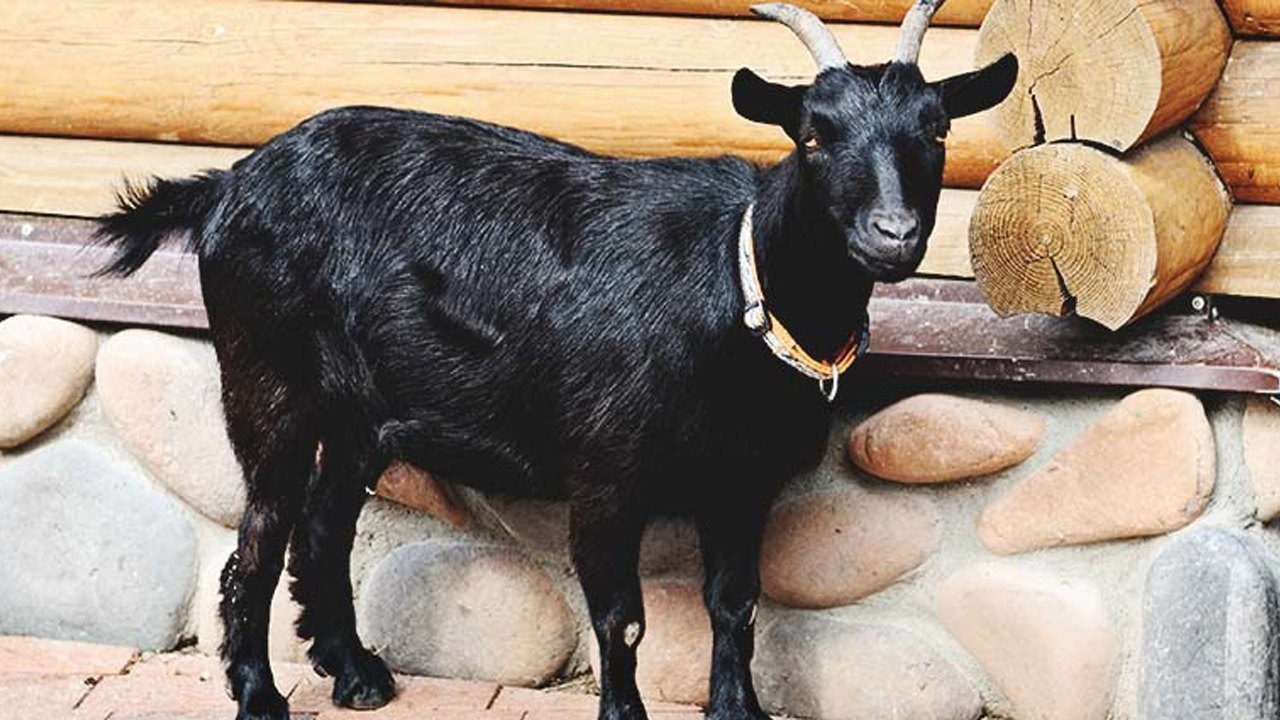
Primary Color: Black (most common)
Variations: Brown, mixed black-brown
Hair Type: Short, coarse hair suitable for humid climate
Skin: Dark pigmented, heat resistant
Body Features
Head: Medium-sized with alert expression
Ears: Medium length, drooping
Horns: Small, backward curving (both sexes)
Body: Compact, well-muscled frame
Udder Characteristics
Shape: Well-developed, round
Teats: Medium-sized, well-placed
Capacity: Good milk storage
Health: Generally resistant to udder problems
Milk Production
Daily Yield: 1.5-2.5 liters
Lactation Period: 6-8 months
Annual Yield: 200-300 liters
Fat Content: 4.5-5.0%
Reproductive Performance
Age at First Kidding: 18-20 months
Kidding Interval: 8-10 months
Litter Size: 1-3 kids (twins common)
Conception Rate: 85-90%
Growth Performance
Birth Weight: 2.5-3.0 kg
6-Month Weight: 15-18 kg
12-Month Weight: 25-30 kg
Daily Weight Gain: 80-100 grams
Meat Quality
Dressing Percentage: 50-55%
Meat Quality: Good tenderness
Market Age: 8-12 months
Preferred Weight: 25-35 kg live weight
Housing Requirements
Space: 10-12 sq ft per adult goat
Ventilation: Excellent airflow essential
Flooring: Raised, well-drained platform
Shelter: Protection from heavy rains
Feeding Guidelines
Green Fodder: 3-4 kg daily
Dry Fodder: 1-1.5 kg daily
Concentrate: 200-300 g for lactating does
Water: 3-4 liters per day
Health Management
Vaccination: PPR, FMD, Haemorrhagic Septicaemia
Deworming: Every 3-4 months
Common Issues: Heat stress, parasites
Prevention: Regular health checkups
Breeding Management
Buck:Doe Ratio: 1:30-40
Breeding Season: Year-round (peak in cooler months)
Gestation: 148-152 days
Kid Care: Colostrum within 1 hour of birth
Essential Bengal Goat Knowledge
Practical farming techniques and proven methods for successful Bengal goat rearing
Climate Adaptation Strategies
Bengal goats excel in hot, humid conditions but require proper ventilation and shade. Provide adequate water sources and ensure shelter from heavy monsoon rains. Heat stress management is crucial during peak summer months (April-June) in Eastern India.
Optimal Feeding Practices
Focus on locally available green fodder like berseem, lucerne, and various grasses. Supplement with kitchen waste and agricultural by-products. Maintain consistent feeding schedules and ensure mineral supplementation, especially calcium and phosphorus for lactating does.
Disease Prevention Protocol
Implement regular vaccination schedules including PPR and FMD. Monitor for common tropical diseases like pneumonia and internal parasites. Maintain clean, dry living conditions and provide proper drainage to prevent foot rot and other moisture-related health issues.
Breeding Program Guidelines
Select breeding stock based on production records, health status, and physical conformation. Practice controlled breeding to avoid inbreeding. Maintain proper buck-to-doe ratios and ensure nutritional support during pregnancy and lactation periods.
Milk Production Management
Establish regular milking schedules (twice daily). Maintain hygiene during milking process and store milk at proper temperatures. Provide additional concentrate feed to lactating does to support milk production and body condition maintenance.
Record Keeping Essentials
Maintain detailed records of breeding dates, kidding dates, milk production, health treatments, and feed consumption. This data helps in making informed management decisions and tracking the performance of individual animals and the overall herd.
Bengal Goat Comparison Data
Compare Bengal goats with other popular Indian breeds
| Parameter | Bengal Goat | Barbari Goat | Sirohi Goat | Jamunapari Goat |
|---|---|---|---|---|
| Adult Weight (kg) | 35-45 | 30-35 | 40-50 | 55-70 |
| Daily Milk Yield (L) | 1.5-2.5 | 1.0-1.5 | 1.5-2.0 | 2.5-3.5 |
| Kidding Rate | 1.8-2.2 | 2.0-2.5 | 1.6-2.0 | 1.4-1.8 |
| Climate Preference | Hot, Humid | Dry, Semi-arid | Semi-arid | Varied |
| Primary Use | Dual Purpose | Meat | Dual Purpose | Milk |
| Regional Adaptation | Eastern India | North-Central | Western India | North India |
Start Your Bengal Goat Journey
Ready to begin goat farming with this resilient Eastern Indian breed? Explore our comprehensive resources and connect with expert guidance for successful Bengal goat rearing.