

Chigu Goat Breed
A hardy mountain goat breed known for its adaptability to extreme climates and dual-purpose production capabilities in meat and fiber.
Chigu Goat Key Statistics
Essential breed performance data for informed farming decisions
Comprehensive Breed Information
Detailed insights into Chigu goat characteristics and farming practices
Origin & Distribution
Originally developed in mountainous regions of Central Asia. The breed has adapted to high-altitude environments and is found in regions with similar geographic characteristics. Known for its resilience in harsh mountain climates.
Physical Appearance
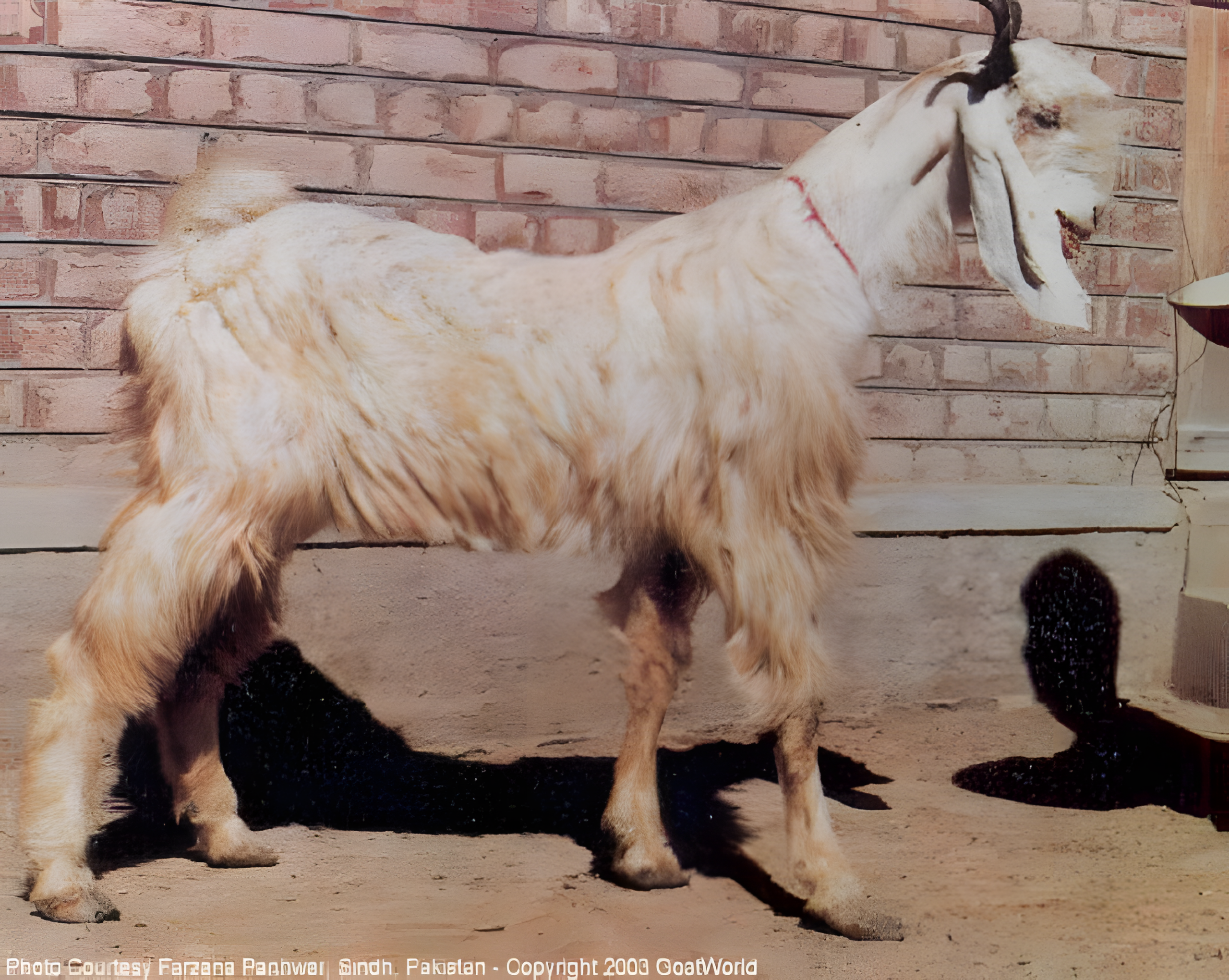
Medium-sized goats with typical coat colors including white, grey, and brown variations. Both males and females possess horns, with males having more prominent, twisted horns. Compact body structure suited for mountain terrain.
Body Measurements
Adult males typically weigh 30-40 kg while females range 25-35 kg. Body measurements are proportionate to their mountain environment adaptation. Height at withers averages 65-75 cm for mature animals.
Distinctive Features
Dense coat suitable for cold climates, sturdy legs for mountainous terrain navigation, and efficient metabolism for utilizing poor-quality mountain vegetation. Alert temperament and high adaptability to environmental challenges.
Meat Production
Good meat quality with lean muscle development. Dressing percentage ranges 45-48%. Meat has excellent flavor characteristics preferred in local markets. Suitable for both subsistence and commercial meat production systems.
Fiber Production
Produces coarse hair suitable for local textile applications. Annual fiber yield varies based on nutrition and climate conditions. Hair harvesting typically done during seasonal grooming and natural shedding periods.
Reproductive Performance
Sexual maturity achieved at 12-18 months depending on nutrition and management. Breeding season influenced by local climate conditions. Single births are common with occasional twins under optimal conditions.
Growth Rates
Kids achieve 15-20 kg weight at 6 months with adequate nutrition. Daily weight gain averages 60-80 grams under mountain farming conditions. Adult weight typically reached by 18-24 months of age.
Feeding Requirements
Efficiently utilizes poor-quality mountain vegetation and browse. Daily dry matter intake 2.5-3% of body weight. Supplemental feeding recommended during harsh weather conditions. Access to mineral supplements essential for health.
Housing Needs
Simple shelter requirements with protection from extreme weather. Well-ventilated housing with dry bedding essential. Shelter area of 2-3 sq meters per adult animal. Elevated platforms prevent moisture-related health issues.
Health Management
Regular deworming schedule adapted to local parasite challenges. Vaccination program as recommended by veterinarians. Hoof trimming every 3-4 months. Monitor for respiratory issues in humid conditions.
Breeding Management
Select breeding animals based on adaptation and productivity traits. Maintain breeding records for genetic improvement. Buck to doe ratio of 1:25-30 in natural breeding systems. Controlled breeding for kidding season management.
Climate Tolerance
Excellent adaptation to cold temperatures and high altitude conditions. Dense winter coat provides insulation. Efficient oxygen utilization at high elevations. Seasonal behavioral adaptations to climate variations.
Terrain Adaptation
Sure-footed on rocky and steep terrain. Strong legs and good balance for mountain grazing. Efficient foraging behavior on sparse vegetation. Natural predator awareness and protective instincts.
Feed Utilization
High efficiency in converting poor-quality fodder to productive outputs. Browse utilization includes shrubs and hardy mountain plants. Reduced feed requirements compared to lowland breeds. Water conservation capabilities.
Regional Suitability
Best suited for hilly and mountainous regions of India including Himachal Pradesh, Uttarakhand, and high-altitude areas of Jammu & Kashmir. Adaptable to similar climatic conditions in other mountain states.
Mountain Goat Farming Techniques
Specialized farming practices for high-altitude goat production systems
Important Advisory
Mountain goat farming requires specialized knowledge of high-altitude conditions. Always consult with veterinary professionals and experienced mountain farmers before implementing new management practices. Consider local climate variations and seasonal challenges in your farming plans.
Seasonal Management
Develop feeding strategies for different seasons with emphasis on winter preparation. Plan breeding schedules to avoid kidding during severe weather. Implement seasonal shelter modifications and health monitoring protocols adapted to mountain conditions.
Nutrition Planning
Formulate rations using locally available mountain vegetation and browse materials. Supplement with energy and protein sources during lean seasons. Ensure mineral supplementation addresses high-altitude nutritional challenges and deficiencies.
Disease Prevention
Focus on respiratory health management in variable mountain weather. Implement parasite control programs suited to altitude and climate conditions. Monitor for altitude-related health issues and maintain emergency veterinary contact information.
Market Considerations
Develop marketing strategies for specialized mountain goat products. Consider value addition through traditional processing methods. Build relationships with buyers who appreciate quality mountain-raised goat meat and fiber products.
Breed Specifications & Comparisons
Detailed characteristics and performance parameters of Chigu goats
Ready to Start Mountain Goat Farming?
Discover more about high-altitude goat breeds and specialized mountain farming techniques for sustainable livestock production.