


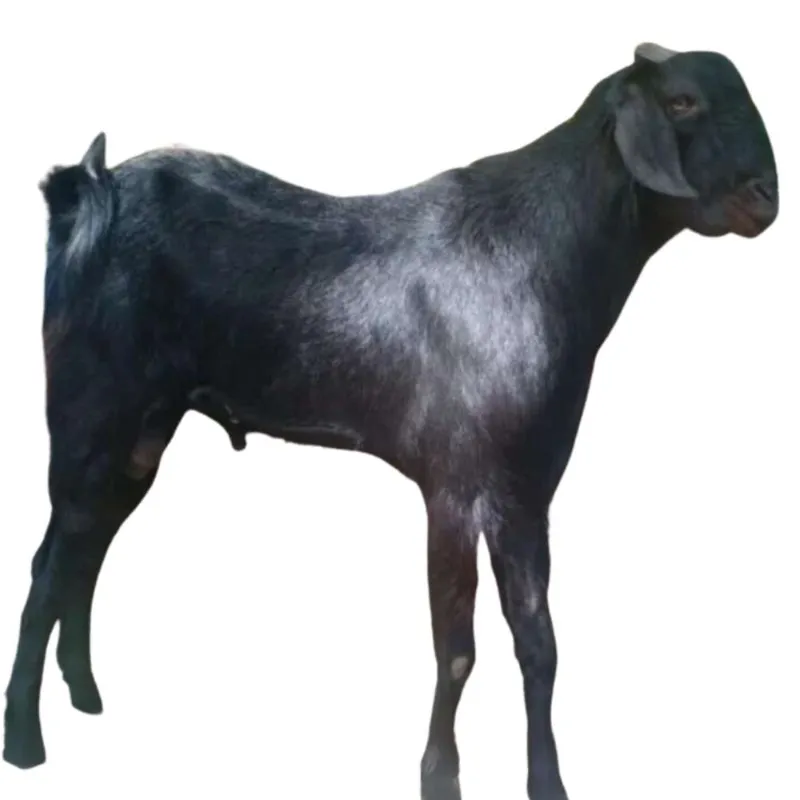
Malabari Goat Farming
Complete guide to Kerala’s indigenous Tellicherry goat breed known for rapid growth, prolific breeding, and excellent adaptability to South Indian conditions
Malabari Goat Key Statistics
Verified performance data for informed farming decisions
Complete Malabari Goat Information
Malabari goats are indigenous to Kerala highlands with distinctive white coloration. Pure-bred animals are always white, though extremely rare black goats exist. They have a compact, well-proportioned body structure suitable for tropical conditions.
Medium-sized breed with exceptional growth rates. Adults typically reach 20-22kg with proper care, though 16-18kg is common with standard management. Birth weight averages 2kg with rapid early growth.
Originally from Kerala highlands but adapted across South India. Performs well in Maharashtra, Goa, Andhra Pradesh, Tamil Nadu, and Karnataka. Limited recognition in northern states.
Thrives in moderate temperatures avoiding extreme cold or heat. Well-suited to South Indian climate conditions but not recommended for mountainous regions of Himachal Pradesh and Kashmir.
Outstanding growth rate achieving 20kg from 2kg birth weight in just 7 months. This exceptional performance makes them one of the fastest-growing Indian breeds. Sexual maturity reached at 8 months.
Daily milk yield approximately 2.5 liters during peak lactation. Lactation period averages 172 days with total yield of 66kg per lactation. Milk suitable for human consumption after initial weeks.
Highly prolific with 4-6 kids per year possible. Early breeding capability with first kidding around one year. Multiple births common with proper nutrition and management.
Excellent meat production potential with rapid weight gain. Good carcass quality and dressing percentage. Suitable for both commercial meat production and local consumption markets.
Performs better in semi-intensive systems compared to open grazing. Shed-raised animals show faster growth and better disease resistance. Proper ventilation and drainage essential for health.
Feed costs represent major expense requiring careful planning. Three types of feed needed: concentrate, roughage, and mineral supplements. Stock feed in advance to reduce transportation costs.
Regular vaccination schedules and preventive health care essential. Monitor for common diseases and maintain hygiene standards. Consult veterinarians for health programs and treatment protocols.
Establish consistent feeding, milking, and cleaning schedules. Monitor weight gain progress and reproductive cycles. Maintain detailed records for performance evaluation and improvement.
Does reach sexual maturity at 5-6 months but first breeding recommended at 8-10 months for optimal health. First kidding typically occurs around one year of age.
Multiple births common with proper nutrition. Provide clean, comfortable kidding areas and immediate post-birth care. Monitor dam and kids closely during early lactation period.
Select breeding stock based on growth rate, reproductive performance, and health status. Maintain pure breed characteristics including white coloration. Cull poor performers regularly.
Maintain detailed breeding records including birth dates, weights, parentage, and performance data. Use records for genetic improvement and management decision making.
Malabari Goat Breed Specifications
| Origin | Kerala highlands, India |
| Alternative Names | Tellicherry goat |
| Primary Purpose | Dual-purpose (milk and meat) |
| Adult Weight | 20-22kg (with proper care) |
| Birth Weight | 2kg average |
| Growth Rate | 2kg to 20kg in 7 months |
| Sexual Maturity | 8 months (first breeding) |
| First Kidding | Around 12 months age |
| Kidding Rate | 4-6 kids per year |
| Lactation Period | 172 days average |
| Milk Yield | 66kg per lactation (0.5L daily) |
| Coat Color | White (pure-bred), rare black variants |
Professional Farming Insights
Expert guidance for successful Malabari goat farming operations
Growth Advantages
Malabari goats are among the few breeds capable of achieving 10x weight gain (2kg to 20kg) in just 7 months. This exceptional growth rate makes them highly profitable for meat production and breeding programs.
Reproductive Excellence
High reproductive efficiency with possibility of 4-6 kids annually when properly managed. Early sexual maturity and prolific breeding make them ideal for commercial operations focused on rapid herd expansion.
Management Benefits
Shed-raised systems show superior results compared to open grazing. Better disease resistance, faster growth, and easier handling make semi-intensive management the preferred approach for commercial operations.
Regional Suitability
Well-adapted to South Indian climate conditions but limited recognition in northern states. Performance varies with regional climate conditions, making location selection crucial for success.
Economic Considerations
Feed costs represent the major operational expense requiring advance planning. Local feed production and storage can significantly reduce costs and improve profitability of Malabari goat farming enterprises.
Market Potential
Growing recognition for rapid growth and productivity creates expanding market opportunities. Both meat and breeding stock command good prices due to superior performance characteristics.
Start Your Malabari Goat Farming Journey
Leverage the exceptional growth and productivity of this prolific breed